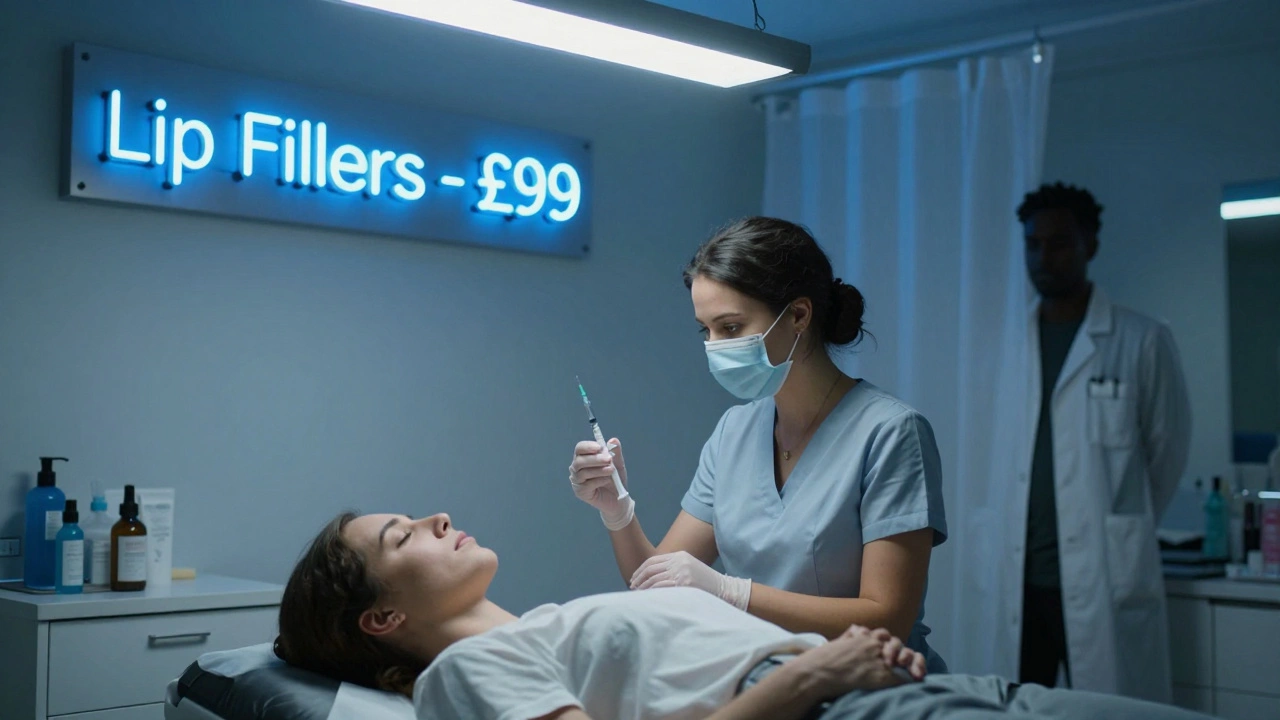
When you think about getting cosmetic surgery in the UK, the first question that should cross your mind isn’t just "Can I afford it?" - it’s "Is it safe?". With ads for breast augmentations, nose jobs, and tummy tucks popping up everywhere, it’s easy to assume everything’s fine. But the truth? The UK’s system is a patchwork of rules, loopholes, and gaps that leave patients at risk.
Who Actually Controls Cosmetic Surgery in the UK?
The UK doesn’t have one single agency running cosmetic surgery like it does for other medical procedures. The General Medical Council (GMC) is the regulatory body for doctors in the UK, responsible for licensing and setting professional standards. But here’s the catch: the GMC only regulates doctors - not clinics, nurses, or non-medical practitioners who perform procedures.
For example, a beauty therapist with a six-week course can legally inject Botox in a salon. A nurse with no surgical training can run a clinic doing liposuction. The Care Quality Commission (CQC) is the independent regulator of health and social care in England, inspecting and rating services only steps in if the clinic is registered as a healthcare provider - and many cosmetic clinics aren’t.
Scotland and Wales have slightly tighter rules, but even there, the system is inconsistent. Northern Ireland follows England’s model. So while you might hear "UK-wide regulation," it’s really four different systems with the same weak spots.
What Procedures Are Actually Regulated?
Not all cosmetic procedures are treated the same. The Medicines and Healthcare products Regulatory Agency (MHRA) is responsible for regulating medicines, medical devices, and cosmetics in the UK has strict rules on implants and injectables. Breast implants, for instance, must be registered and traceable. But that doesn’t stop counterfeit or unapproved devices from slipping in.
Here’s what’s regulated:
- Implants (breast, buttock, facial) - must be CE-marked or UKCA-marked and logged in a national database
- Injectables like Botox and fillers - classified as medicines, so only licensed prescribers can supply them
- Medical devices - must meet safety standards before being sold
Here’s what’s NOT regulated:
- Who performs the procedure - no minimum training or certification required for non-doctors
- Clinic standards - no mandatory infection control, aftercare, or emergency protocols
- Advertising - clinics can claim "100% safe" or "no downtime" without proof
- Pre-op consultations - no legal requirement for a face-to-face meeting with a doctor
That means you could walk into a clinic on a Saturday, get a quote, sign a form, and leave with a new nose - all without ever seeing a qualified surgeon.
The Real Danger: Non-Surgeons Performing Surgery
A 2023 investigation by the British Association of Aesthetic Plastic Surgeons (BAAPS) is the professional body representing plastic surgeons in the UK found that over 60% of cosmetic procedures in the UK are performed by people who aren’t plastic surgeons. Some are nurses. Others are dentists, GPs, or even beauty therapists.
Let’s say you want a rhinoplasty. The law doesn’t require the person doing it to be a plastic surgeon. In fact, only about 1 in 5 people doing nose jobs in the UK are actually trained in plastic surgery. The rest? They’ve taken a weekend course. One woman in Manchester had her nose collapsed after a filler injection by a beautician who had never seen a human face before.
And it’s not rare. The British Association of Plastic, Reconstructive and Aesthetic Surgeons (BAPRAS) is the leading professional body for plastic surgeons in the UK, setting standards and publishing safety guidelines reported 1,200 serious complications from cosmetic procedures in 2024 - up 35% from 2021. Half of those cases involved non-surgeons.
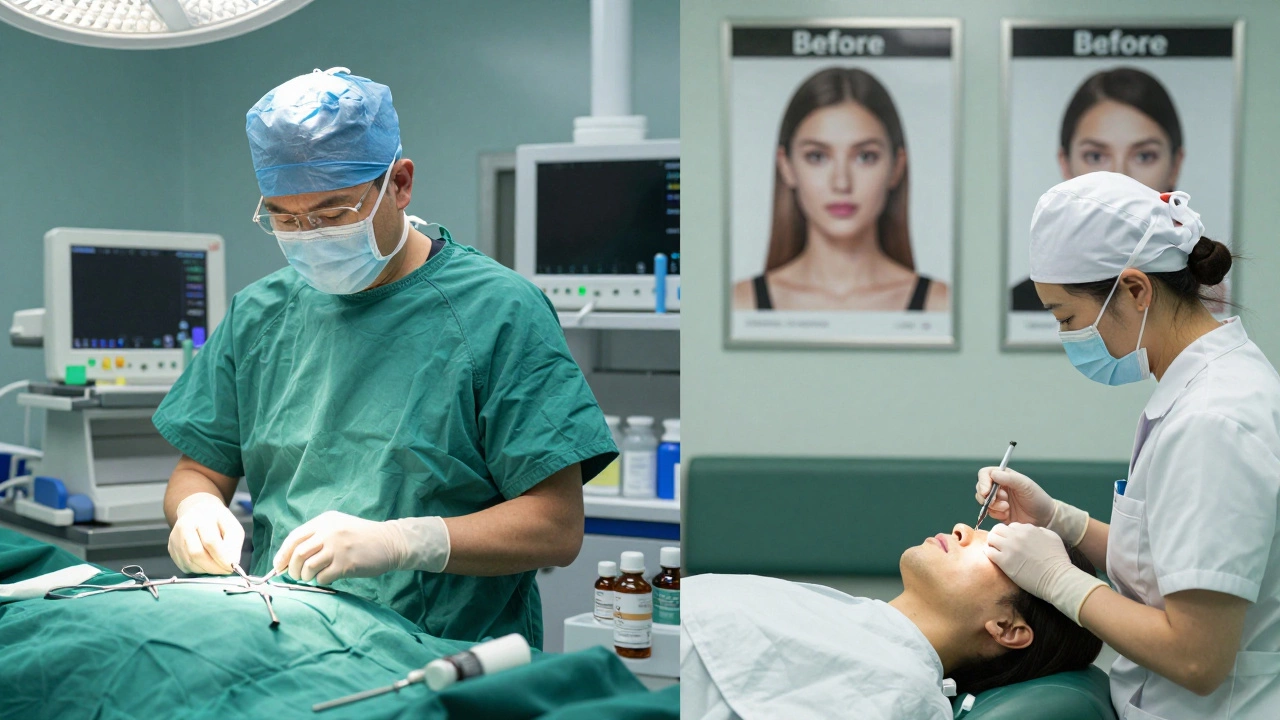
How to Tell If Your Surgeon Is Legit
If you’re considering surgery, here’s how to protect yourself:
- Check if the surgeon is on the GMC register the official list of licensed doctors in the UK. Search by name - if they’re not listed, walk away.
- Look for the title "plastic surgeon." Only those with a specialist qualification in plastic surgery can use that title. A "cosmetic surgeon" could be anyone.
- Ask for their training history. They should have completed 6-8 years of surgical training after medical school, including a formal plastic surgery residency.
- Request to see their before-and-after photos. Real surgeons show real results - not airbrushed models.
- Insist on a face-to-face consultation. No clinic should push you into surgery on the first visit.
Also, check if the clinic is registered with the CQC. Even if they’re not legally required to be, the ones that are tend to follow better standards. You can search the CQC website for inspection reports.
The Dark Side: Underground Clinics and "Medical Tourism"
There’s a booming underground market in the UK. Some clinics operate out of shopping centers, hair salons, or even private homes. They advertise on Instagram with "£999 tummy tucks" and "same-day lip fillers." Many don’t have insurance. If something goes wrong, you’re on your own.
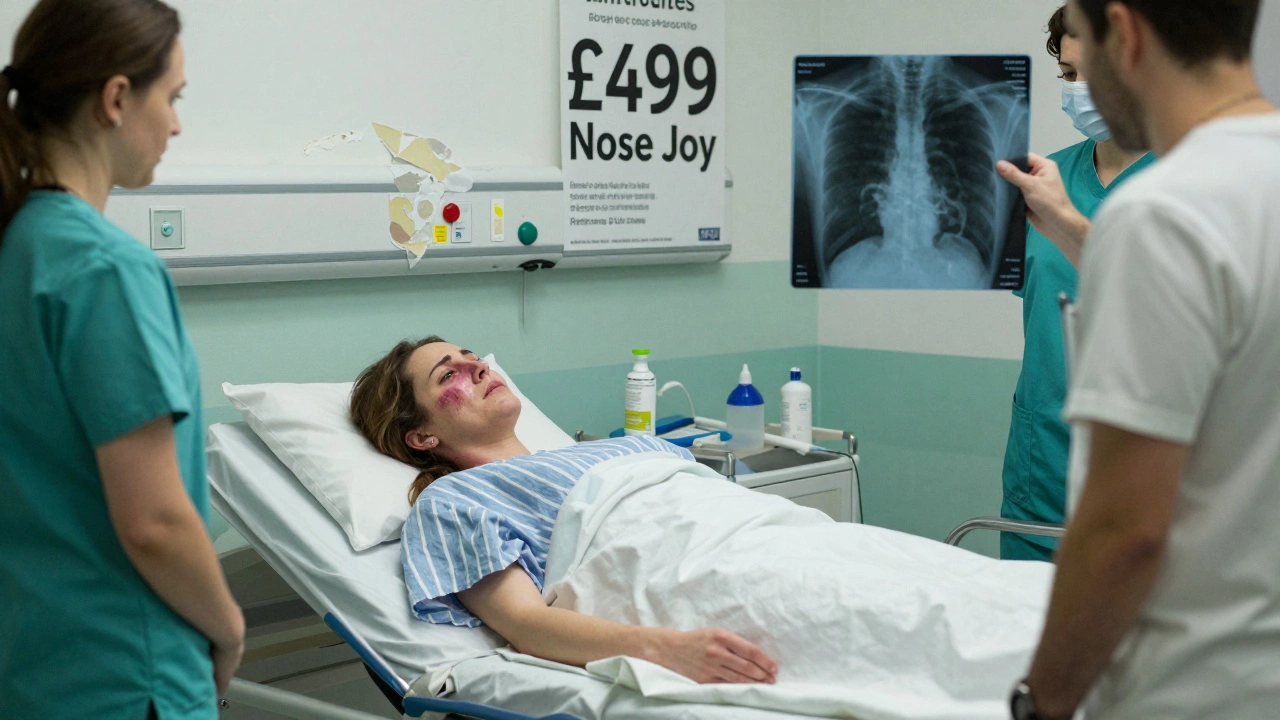
And then there’s the "medical tourism" loop. People go to Turkey or Ukraine for cheaper surgery, come back, and end up in UK hospitals with infections or ruptured implants. The NHS spent over £12 million in 2024 treating complications from overseas cosmetic procedures.
One woman from Leeds had a Brazilian butt lift in Istanbul. She came home with a blood clot, a collapsed lung, and a $40,000 medical bill. The clinic vanished. The UK hospital had to fix it - and taxpayers paid.
What’s Being Done? (And Why It’s Not Enough)
The UK government has talked about reform for years. In 2021, a review called for mandatory registration of all cosmetic clinics and a national database of practitioners. Nothing happened.
In 2023, the House of Commons Health Committee recommended:
- Only qualified plastic surgeons can perform invasive surgery
- All clinics must be registered with the CQC
- Minimum 48-hour cooling-off period before surgery
- Compulsory insurance for all providers
So far, only one of those has been partially implemented - the cooling-off period. And even that only applies to procedures over £1,000. Most clinics just split the cost into smaller payments to avoid it.
The industry pushes back, saying regulation will hurt small businesses. But the real issue? Most "small businesses" are fronts for unqualified operators making thousands per procedure with zero accountability.
What Should You Do?
If you’re thinking about cosmetic surgery:
- Don’t be fooled by prices. The cheapest option is often the most dangerous.
- Never book online without meeting the surgeon in person.
- Ask for their GMC number - and verify it yourself.
- Check reviews on independent sites like Trustpilot, not just the clinic’s website.
- Insist on a written contract that includes aftercare, revision policy, and emergency contact details.
And if you’ve had a bad experience? Report it. The Healthcare Ombudsman handles complaints about private healthcare services in the UK can investigate. You’re not alone. Thousands have been harmed. Speaking up is the only way things change.
Final Thought
Cosmetic surgery isn’t inherently dangerous. But in the UK, it’s unregulated. That’s not a loophole - it’s a liability. And right now, you’re the one paying for it - with your body, your money, and your peace of mind.
Is cosmetic surgery legal in the UK?
Yes, cosmetic surgery is legal in the UK. But legality doesn’t mean safety. While procedures themselves aren’t banned, the people performing them often aren’t properly trained or regulated. There’s no law requiring surgeons to be plastic surgeons, clinics to be inspected, or practitioners to have insurance.
Can a nurse perform cosmetic surgery in the UK?
Yes, a nurse can legally perform invasive cosmetic procedures like liposuction or breast augmentation in the UK - even without surgical training. The law doesn’t restrict who can do what, only what substances they can use. This is why over 60% of procedures are done by non-surgeons.
How do I check if my cosmetic surgeon is registered?
Go to the General Medical Council (GMC) website and search for their name. Only doctors listed there are legally allowed to practice medicine. Also, confirm they hold the specialist qualification "plastic surgery" - not just "cosmetic surgery." Many use the latter term illegally.
Are Botox and fillers regulated in the UK?
Yes - but only the products, not the people. Botox and dermal fillers are classified as medicines, so they must be prescribed by a licensed doctor or dentist. However, anyone can inject them. There’s no training requirement, no certification, and no oversight.
What should I do if I have complications after cosmetic surgery?
Go to your GP or A&E immediately. Then report the clinic to the Care Quality Commission (CQC) and the Medicines and Healthcare products Regulatory Agency (MHRA). If the clinic is unregistered or unlicensed, you can also file a complaint with the Healthcare Ombudsman. Keep all receipts, photos, and communication - they’re critical evidence.