Dental Implant Healing & Diet Timeline
Where are you in your recovery?
Drag the slider to see what to expect at each stage of your dental implant journey.
Liquid Diet Phase
- Cool broths and soups (blended)
- Protein shakes and smoothies
- Diluted juices (no citrus initially)
- Yogurt without chunks
- Mashed potatoes and sweet potatoes
- Scrambled eggs and omelets
- Oatmeal and lukewarm cereals
- Pureed vegetables and fruits
- Hummus and avocado mash
- Tender fish and soft chicken (shredded)
- Well-cooked pasta and risotto
- Steamed vegetables (cut small)
- Ripe bananas and applesauce
- Cottage cheese and pudding
- Tender meats (beef stew, pot roast)
- Soft bread and toast
- Cooked fruits and softer raw vegetables
- Small pieces of harder foods
- Steak and tough meats
- Corn on the cob
- Nuts and seeds
- Raw carrots and crisp apples
- Crusty bread and baguettes
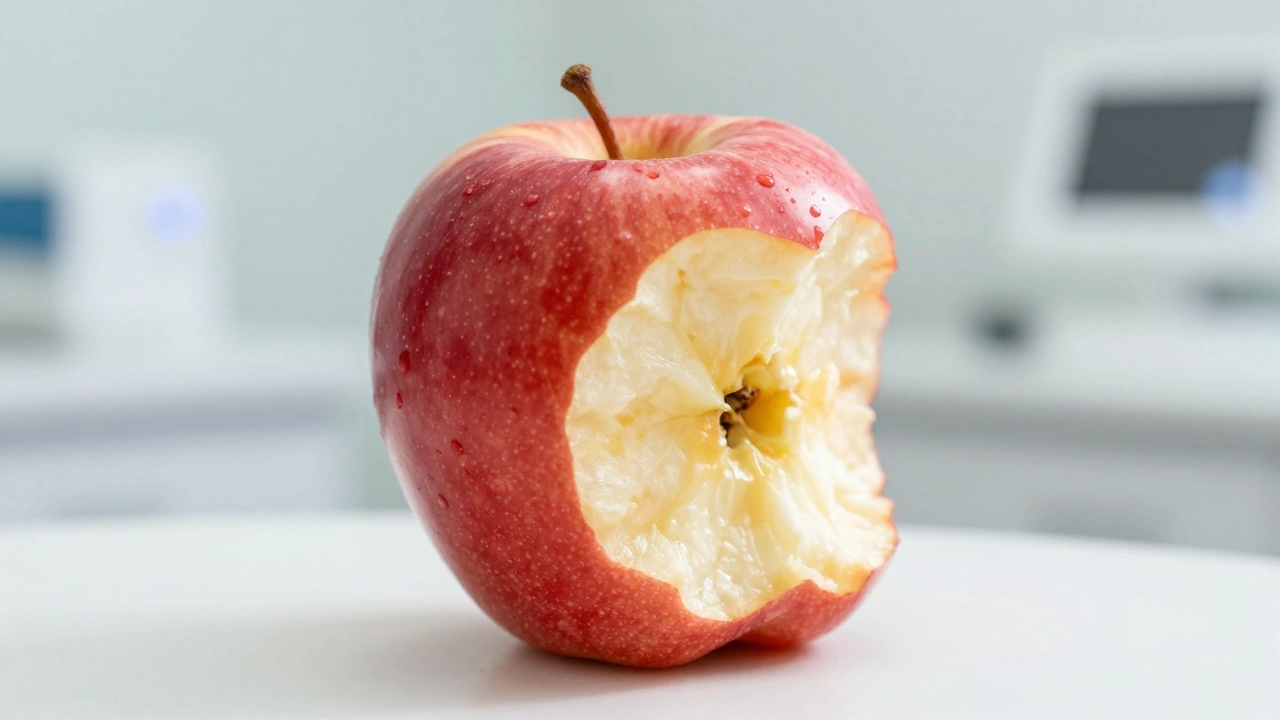
Imagine biting into a crisp apple or tearing into a steak without hesitation. For years, you might have avoided these textures, fearing that your dentures would slip or your remaining teeth would ache. This is the reality for many people considering full dental implants, which are permanent tooth replacement solutions anchored directly into the jawbone using titanium posts. The question on everyone’s mind isn’t just about cost or surgery-it’s about function. Specifically: is it hard to eat with them?
The short answer is no. In fact, once healed, eating with full dental implants feels more natural than almost any other dental restoration. But there is a catch. The journey from "just had surgery" to "chewing like normal" takes time and discipline. If you are looking at getting this done in the UK or Ireland, understanding the timeline and the physical changes is crucial before you book that consultation.
The Healing Phase: When Eating Is Actually Difficult
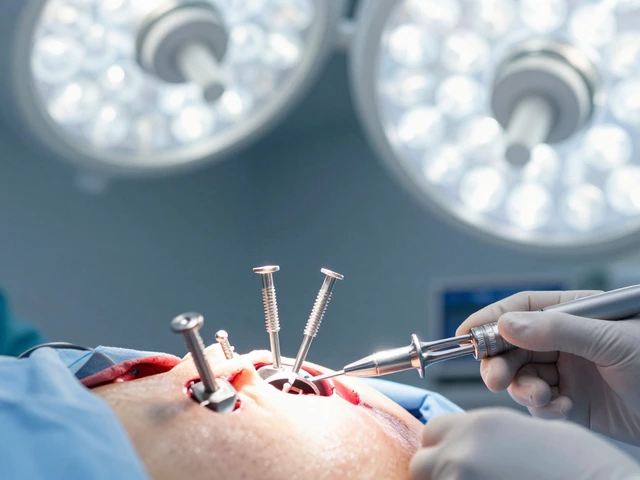
If you expect to walk out of the clinic and immediately enjoy a burger, you will be disappointed. The first few weeks after placing implant-supported bridges are not about enjoyment; they are about survival and protection. Your body needs to fuse the titanium screw to your bone, a process called osseointegration. During this window, chewing forces can disrupt the healing site, leading to failure.
For the first 24 to 48 hours, you will likely be on a strictly liquid diet. Think smoothies, broths, and protein shakes. You cannot use straws because the suction can dislodge blood clots, causing dry socket-a painful complication where the bone is exposed. After day three, you can move to soft foods. Mashed potatoes, scrambled eggs, and oatmeal become your best friends.
This phase lasts anywhere from two to six weeks, depending on whether you received immediate load implants (where temporary teeth are attached right away) or traditional staged implants. If you have immediate load, you still must avoid chewing on the new teeth entirely for several weeks. The implant is not yet strong enough to handle shear forces. Trying to chew tough food too early is the number one reason patients experience complications during this stage.
The Transition Period: Learning to Chew Again
Once your dentist clears you for solid foods, don’t jump straight to baguettes. Your muscles and nerves have forgotten how to work together efficiently if you’ve worn dentures for years. Dentures cover the roof of your mouth and numb sensation. Implants sit below the gum line, restoring proprioception-the ability to sense pressure and texture through the roots.
You need to retrain your bite. Start with tender meats, steamed vegetables, and cooked fruits. Cut everything into small pieces. Chew slowly and evenly on both sides. This helps distribute the force across all the implants. Most people find that within two to four weeks of starting solid foods, their confidence grows. You begin to realize you don’t need to worry about your teeth shifting mid-bite.
A common mistake during this transition is ignoring minor soreness. Some tenderness is normal as your gums adjust to the new hardware. However, sharp pain or clicking sounds indicate a problem. Contact your dental surgeon immediately. In the UK, NHS coverage for implants is limited to specific medical cases, so most patients pay privately. Protecting that investment means being cautious during this learning curve.
Life After Healing: What Can You Really Eat?
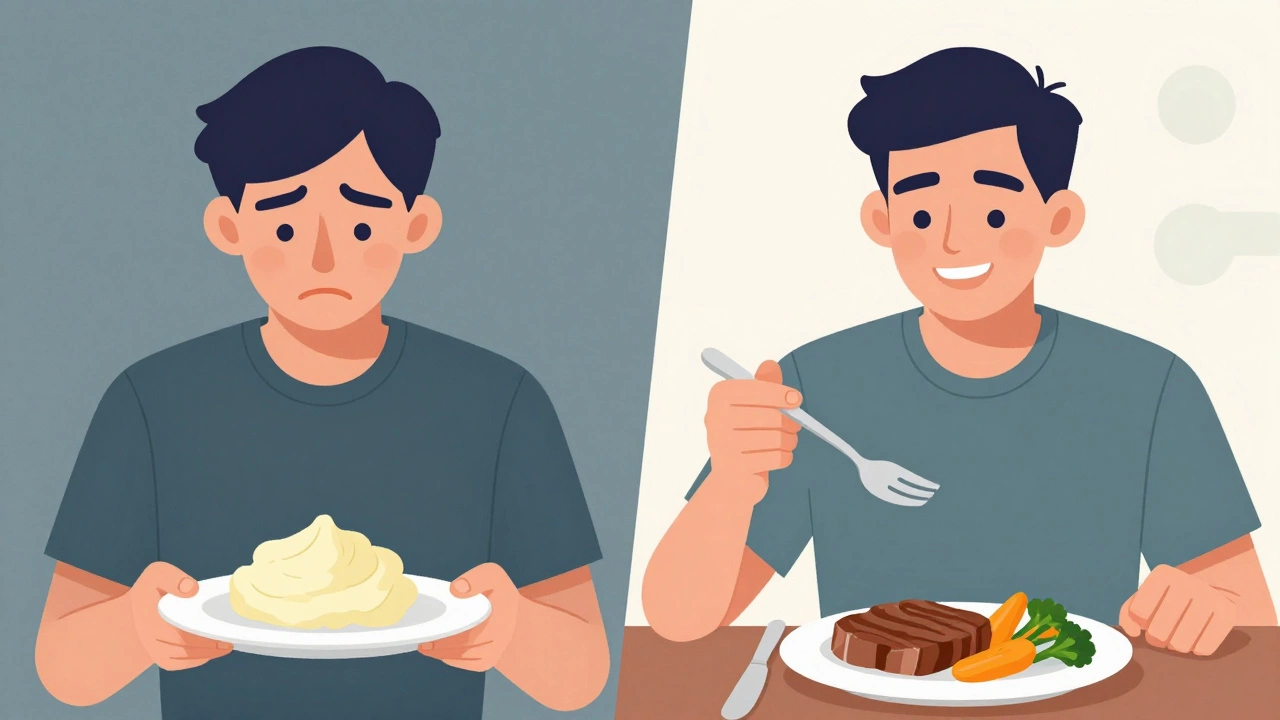
This is the part everyone wants to hear. Once fully healed-which typically takes three to six months for the upper jaw and slightly less for the lower-your dietary restrictions vanish. You can eat anything you want. Steak, corn on the cob, nuts, raw carrots, crusty bread. All of it.
Studies show that patients with fixed implant prosthetics report significantly higher satisfaction rates compared to those with removable partials or complete dentures. Why? Because stability changes everything. With dentures, you often avoid certain foods because they get stuck under the plate or cause the appliance to lift. With implants, the prosthesis is screwed or cemented down. It doesn’t move. It doesn’t rock. It acts like real teeth.
Many patients tell me they rediscover the joy of eating. They stop pre-planning meals around what they can tolerate. They go out to dinner without anxiety. Nutrition improves too. People who struggled to chew fibrous vegetables due to ill-fitting dentures start incorporating more greens and proteins into their diets, leading to better overall health outcomes.
Comparison: Implants vs. Dentures vs. Bridges
| Feature | Full Dental Implants | Traditional Dentures | Fixed Bridge |
|---|---|---|---|
| Biting Force | Near natural (70-90%) | Low (10-20%) | Moderate (50-60%) |
| Food Restrictions | None after healing | High (avoid sticky/hard) | Moderate (avoid extreme hardness) |
| Sensation | High (nerve feedback) | Low (numb palate) | Moderate |
| Stability While Chewing | Fixed/Rigid | Movable/Slippery | Fixed |
| Bone Preservation | Yes (stimulates bone) | No (bone loss continues) | No (adjacent teeth only) |
As you can see, implants offer superior function. Dentures require adhesives and constant adjustment. Bridges rely on grinding down healthy adjacent teeth, which can weaken them over time. Implants stand alone, preserving your natural structure while delivering maximum power.
Potential Challenges and How to Manage Them
While eating becomes easier long-term, there are nuances. One issue some patients face is hypersensitivity. Since implants lack periodontal ligaments-the shock absorbers found in natural teeth-they transmit force differently. Some people feel that hard impacts, like biting into a very crunchy nut, feel sharper or louder. This usually subsides as you adapt, but it’s worth noting.
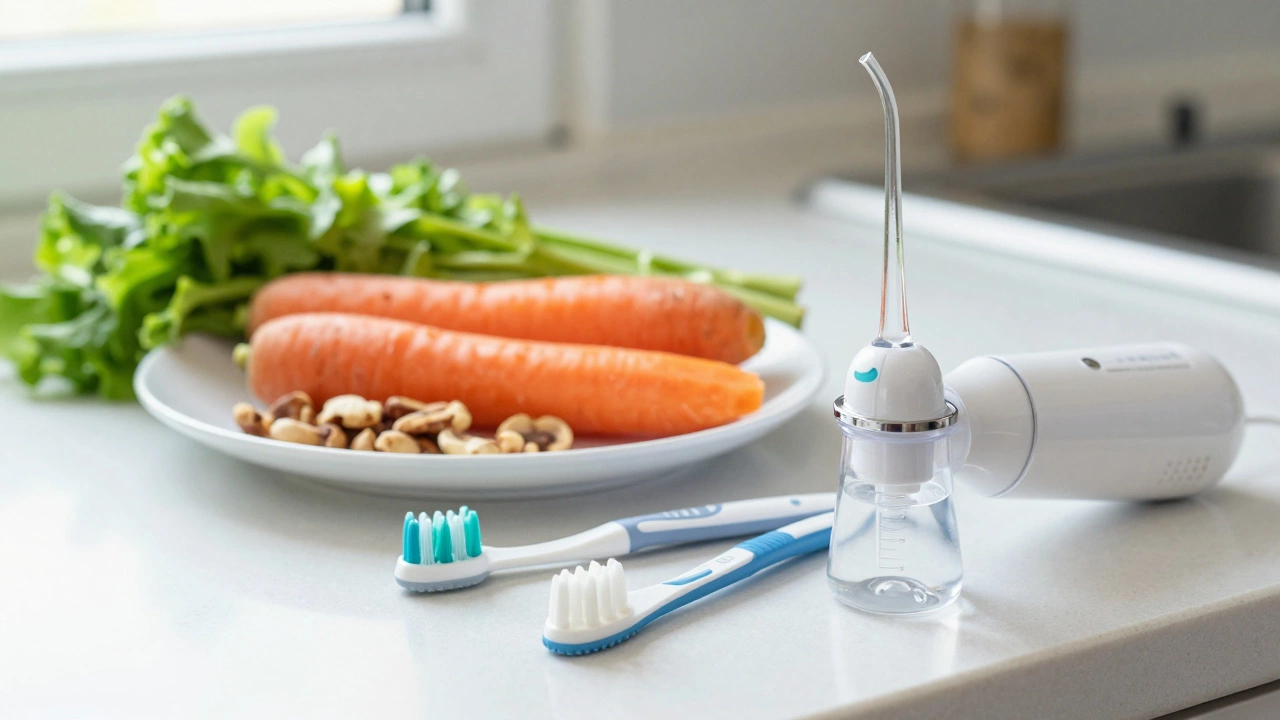
Another challenge is hygiene maintenance affecting eating habits. You cannot floss normally around an implant bridge. You need special tools like water flossers, super floss, or interdental brushes. If you neglect cleaning, peri-implantitis (gum disease around implants) can develop. This condition destroys the bone supporting the implant. If left untreated, it leads to implant failure. So, while you can eat anything, you must clean meticulously afterward. Skipping this step risks losing the very thing that allows you to eat well.
In the UK and Ireland, access to specialist care varies. Make sure your provider offers ongoing maintenance plans. Regular check-ups every six months ensure screws remain tight and gums stay healthy. Don’t assume that because it’s “artificial,” it’s indestructible. Implants are durable, but they are not immune to biological failures.
Cost Considerations in the UK and Ireland
Let’s talk money, because it affects decisions. In the UK, a full arch of implants (All-on-4 or similar technique) can range from £15,000 to £30,000 per arch, depending on the clinic location and materials used. In Ireland, prices are similar, often between €18,000 and €35,000. These figures include the surgery, abutments, and the final prosthetic teeth.
Is it worth it? For many, yes. The quality-of-life improvement is profound. But it requires upfront capital. Unlike dentures, which cost a fraction of this amount, implants are a significant investment. Financing options are available through private clinics, but interest rates apply. Calculate the long-term value: dentures need relining every few years and eventual replacement. Implants can last decades with proper care. Over 20 years, the cost difference narrows when you factor in durability and convenience.
Who Should Avoid Implants?
Not everyone is a candidate. Uncontrolled diabetes, heavy smoking, and severe osteoporosis can hinder healing. Smoking reduces blood flow, drastically increasing the risk of implant failure. If you smoke, quitting before and after surgery is non-negotiable. Clinics may refuse treatment if you continue to smoke heavily.
Also, adequate bone volume is essential. If you have lost significant jawbone due to long-term tooth loss, you may need bone grafting first. This adds time and cost to the process. A CT scan during your initial consultation will reveal your bone density. Be honest about your medical history. Hiding conditions like bisphosphonate use (for osteoporosis) can lead to serious complications like osteonecrosis.
Final Thoughts on Functionality
Eating with full dental implants is not hard-it is liberating. The difficulty lies in the temporary discomfort of healing and the discipline required for maintenance. Once you pass the initial months, you regain a fundamental human pleasure: the freedom to eat whatever you crave, whenever you want.
If you are struggling with dentures, consider the long-term benefits. Consult with a qualified oral surgeon or prosthodontist. Ask for case studies of patients with similar needs. Look at before-and-after photos, but also ask about their eating experiences. Real stories matter more than marketing brochures. Your future self will thank you for taking the leap toward permanent stability.
How long does it take to eat normally after getting full dental implants?
It typically takes 3 to 6 months for full osseointegration. During the first 2-4 weeks, you must stick to a soft diet. After the healing phase is complete and the final prosthetics are attached, you can gradually reintroduce harder foods. Most patients return to a completely normal diet within 6 months post-surgery.
Can I eat hard foods like nuts and ice with dental implants?
Yes, you can eat hard foods, but caution is advised. While implants are strong, the ceramic or porcelain teeth attached to them can chip under extreme force. Avoid biting directly into extremely hard objects like whole nuts or ice cubes. Instead, cut food into smaller pieces to reduce stress on the prosthetic material.
Do dental implants feel different when chewing compared to natural teeth?
Slightly. Natural teeth have periodontal ligaments that act as shock absorbers. Implants are fused directly to the bone, so they lack this cushioning effect. Some patients report feeling more pressure or vibration when chewing hard items. However, most people adapt quickly and do not find it bothersome in daily life.
What should I avoid eating during the first week after implant surgery?
Avoid hot liquids, spicy foods, crunchy snacks, and anything requiring chewing. Stick to cool or room-temperature liquids and soft foods like yogurt, soup, and smoothies. Do not use straws, as the suction can damage the surgical site and delay healing.
Are full dental implants covered by the NHS in the UK?
Generally, no. The NHS rarely covers dental implants unless there are specific medical reasons, such as trauma, cancer reconstruction, or congenital defects. For cosmetic or standard functional restoration, patients must pay privately. Costs vary widely between clinics in London versus other regions.
Will my taste buds change after getting full dental implants?
If you previously wore full dentures that covered your palate, your sense of taste may actually improve. Dentures block taste receptors on the roof of the mouth. Implant-supported bridges usually leave the palate open, allowing air and flavor molecules to reach these receptors more effectively, enhancing your enjoyment of food.