Post-Surgery Bra & Recovery Planner
Configure Your Situation
Select your surgery details and click "Generate Plan" to see your recommended recovery gear and timeline.
You are standing in front of your mirror, staring at the underwire bra you’ve worn every day for years. Tomorrow is your big day-whether it’s a breast augmentation, a tummy tuck, or even something unrelated like knee surgery. The question pops into your head: "Do I have to take this off forever?" Or perhaps more urgently, "Will they let me wear one while I’m on the table?" It’s a valid concern. In the UK, where healthcare standards are rigorous and patient comfort is increasingly prioritized, understanding what happens to your wardrobe during a procedure is part of being prepared.
The short answer is: usually no, not during the actual operation, but definitely yes (and specifically designed ones) immediately after. However, the details matter immensely depending on whether you are undergoing a procedure involving your chest or somewhere else entirely. Let’s break down exactly what surgeons and nurses expect from you before, during, and after your time in the operating theatre.
The Operating Room Rule: Why Bras Are Banned
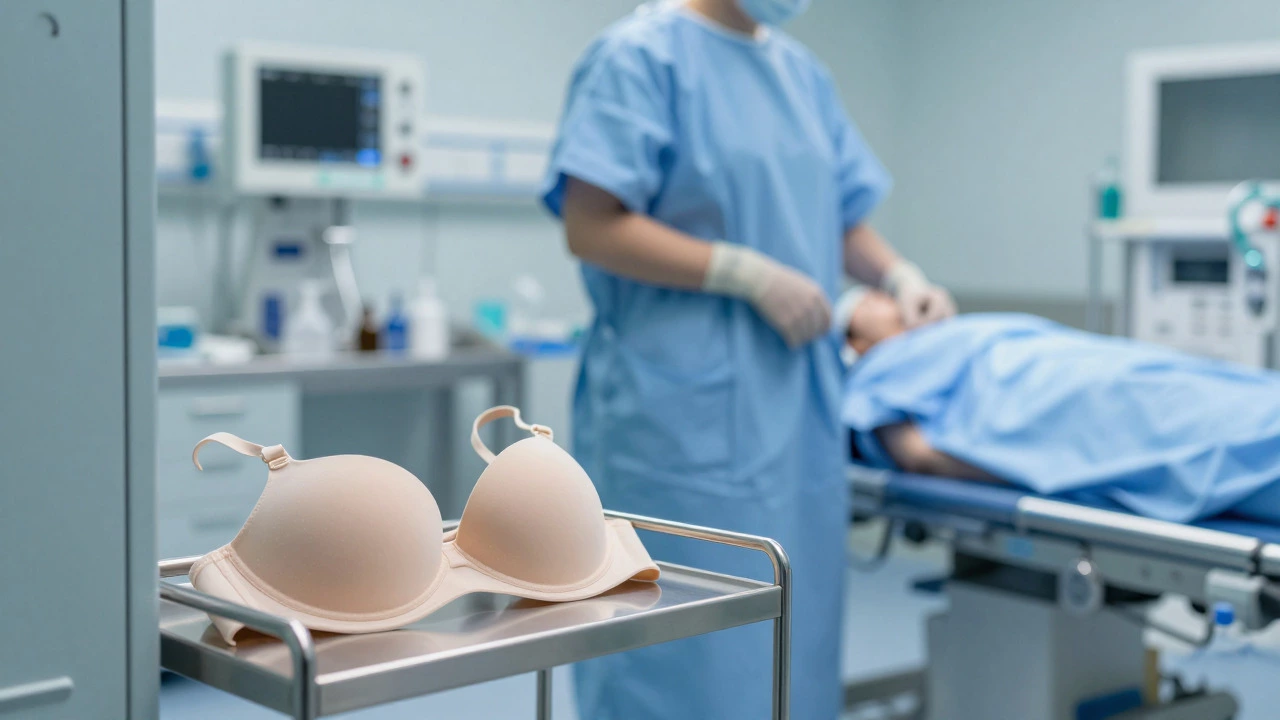
When you arrive at the hospital or private clinic in the UK, you will be asked to change into a hospital gown. This isn’t just about modesty; it’s about sterility and safety. If your surgery involves the chest area-such as breast reduction, augmentation, or a mastectomy-the bra stays in the locker. Even if the surgery is on your leg, many anaesthetists prefer patients without restrictive clothing around the torso to ensure easy access for monitoring equipment.
There are three main reasons why wearing a standard bra during surgery is problematic:
- Sterility: The operating room is a sterile environment. Your everyday bra has been exposed to bacteria, skin cells, and environmental contaminants. Bringing it near the sterile field increases the risk of infection.
- Monitoring Access: Anaesthetists need to place ECG leads (heart monitors) directly on your skin. Underwires, thick seams, and tight elastic bands interfere with these sensors. They need clear contact to read your heart rate accurately throughout the procedure.
- Circulation and Swelling: During surgery, your body undergoes physiological changes. Blood pressure fluctuates, and tissues may swell. A restrictive band could impede circulation or cause discomfort once you start waking up.
If you are having surgery that doesn’t involve the chest, some surgeons might allow a soft, wireless sports bra if it doesn’t interfere with IV lines or monitoring. But don’t count on it. Always assume you will be bare-chested under the gown unless told otherwise by your specific surgical team.
Post-Op Support: The Specialized Bra Requirement
This is where the conversation shifts from "can I wear one?" to "which one must I wear?" For chest surgeries, support is critical. Gravity is your enemy in the first few weeks. Without proper support, swelling increases, pain worsens, and the final aesthetic result can be compromised.
In the UK, most plastic surgeons prescribe a specific type of garment. You won’t be buying this from High Street shops like Marks & Spencer or Next. Instead, you’ll likely be directed to medical supply stores or specialized online retailers that cater to post-surgical needs.
| Bra Type | Best For | Key Features | Average Cost (GBP) |
|---|---|---|---|
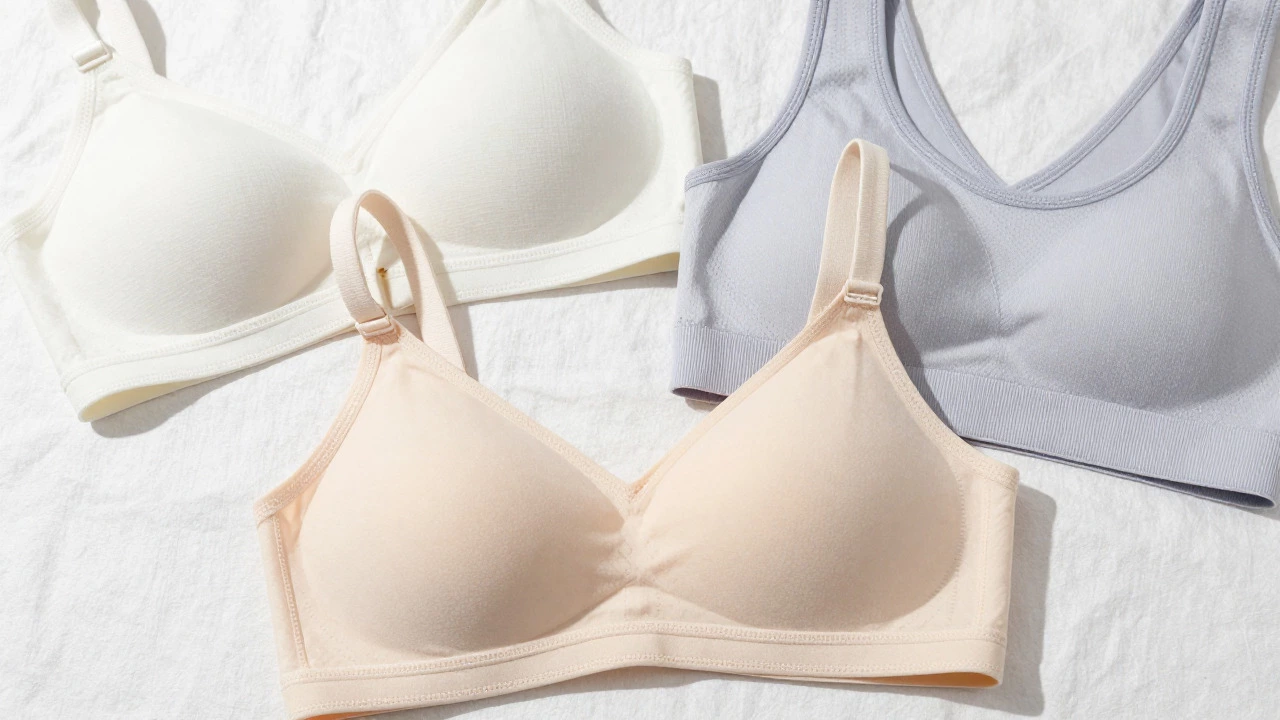
| Compression Bra | Immediate post-op (Days 1-7) | Firm compression, front-opening hooks, seamless design | £30 - £60 |
| Soft Wireless Support Bra | Weeks 2-4 | No underwire, wide straps, breathable fabric | £20 - £40 |
| Sports Bra (High Impact) | Transition phase (Week 4+) | Elastic support, no rigid structure | £15 - £35 |
Compression bras are the gold standard immediately after surgery. They help minimize swelling by applying even pressure across the chest. Look for ones with front closures because reaching behind your back will be painful and difficult for several days. Brands often recommended in the UK include Medi, Jobst, or specific lines from HollisterSeer. These are not fashion items; they are medical devices designed to hold your tissues in place while healing occurs.
Non-Chest Surgeries: What About Tummy Tucks and Liposuction?
If your surgery is abdominal, such as an abdominoplasty (tummy tuck) or liposuction, the rules change slightly. You still won’t wear a bra *during* the surgery, but you will need one afterward. However, the focus shifts from chest support to avoiding restriction around the waist and ribs.
For tummy tucks, surgeons often provide a compression garment that covers the abdomen and sometimes extends up to the bust. In these cases, you might not need a separate bra at all for the first week. The garment provides enough support for the upper body. When you do transition to a regular bra, avoid anything with a tight underband that digs into your healing incision line along the lower abdomen.
For liposuction of the arms or back, a standard supportive bra might actually be uncomfortable due to friction against the treated areas. Surgeons often recommend loose-fitting tops or specialized sleeveless compression garments instead. Always check with your consultant about whether their preferred protocol includes a bra or a full-body garment.
NHS vs. Private Care: Does It Matter?
In the UK, the distinction between National Health Service (NHS) and private care can influence your experience, though the medical principles remain the same. On the NHS, waiting times for elective cosmetic procedures are long, and resources are stretched. Nurses may hand you a standard-issue post-op bra if available, or instruct you to bring your own. They are less likely to have branded medical lingerie on hand.
In private clinics, the experience is more tailored. Your pre-operative appointment will likely include a discussion about what to buy beforehand. Many private consultants partner with specific suppliers, ensuring you have the right size and style ready for discharge. This proactive approach reduces stress and ensures compliance with aftercare instructions.
Regardless of the setting, UK hospitals follow strict infection control guidelines set by the Healthcare Improvement Network (HIN). This means personal clothing, including bras, is generally discouraged in the immediate post-op ward unless it’s clean, new, and approved by the nursing staff.

Practical Tips for Patients
To make your journey smoother, here are some actionable steps you can take now:
- Buy Before You Go: Don’t wait until the night before surgery. Order your compression bra or post-op support garment at least two weeks prior. This allows time for returns if the size is wrong.
- Check the Closure: Ensure any bra you buy opens in the front. Hooking a bra behind your back when you’re numb, swollen, and in pain is nearly impossible.
- Bring Multiple Options: Sweat, blood, and drainage can soil garments quickly. Have at least two identical bras so you can swap them out daily without washing in a hospital sink.
- Avoid Underwires Initially: Even if you love underwires, banish them for at least six weeks. The pressure points can irritate sensitive skin and disrupt lymphatic drainage, leading to prolonged swelling.
- Ask Your Surgeon: Every surgeon has a preference. Some want firm compression; others prefer gentle support. Follow their advice over general internet trends.
Common Mistakes to Avoid
I’ve seen patients ruin their recovery by ignoring simple guidelines. One common error is wearing a regular push-up bra too soon. The padding shifts, creating uneven pressure that can distort the shape of newly augmented breasts. Another mistake is skipping the compression garment entirely because it feels hot or uncomfortable. Remember, the discomfort of the garment is temporary; the consequences of poor support can last months.
Also, don’t forget about hygiene. Post-op bras need frequent washing. Use mild, fragrance-free detergents to avoid irritating sensitive skin. Hand-washing is often recommended for the first few washes to preserve the elasticity of the medical-grade fabrics.
Can I wear my own bra to the hospital for surgery?
You can bring it, but you likely won’t wear it during the procedure. For non-chest surgeries, a soft, clean, wireless bra might be allowed for comfort while traveling home. For chest surgeries, you will need a specialized medical compression bra, which your surgeon should advise you to purchase beforehand.
How long do I need to wear a post-op bra after breast surgery?
Most UK surgeons recommend wearing a compression bra 24/7 for the first 4 to 6 weeks. After that, you may transition to a soft, supportive bra during the day and sleep without one, depending on your healing progress. Always follow your specific surgeon’s timeline.
Are there NHS-approved bras for post-surgery?
The NHS does not typically supply branded bras. They may provide basic compression garments if available. Patients are often advised to purchase their own medical-grade support bras from pharmacies or specialist suppliers to ensure proper fit and hygiene.
Can I wear an underwire bra after breast augmentation?
Generally, no. Surgeons advise avoiding underwires for at least 6 to 8 weeks. The wire can press against healing incisions and interfere with tissue settling. Once cleared by your doctor, you can gradually reintroduce underwires if desired.
What should I wear to my pre-op appointment?
Wear loose, comfortable clothing that is easy to remove. Avoid dresses or jumpsuits if possible. Bring a list of questions and any current medications. You will likely be measured for your post-op garments during this visit.