Medical Tourism Cost Calculator
Your Details
Staring at the price tag for a tummy tuck in the UK can feel like a punch to the gut. You might be looking at £4,000 or more just for the surgeon’s fee, before you even add in anesthesia, hospital costs, and aftercare. It is no surprise that thousands of people are packing their bags and heading overseas to get the same result for a fraction of the price. But which country actually offers the best balance of low cost and high safety?
If you are weighing your options, you need to look beyond the headline numbers. A cheap procedure can become expensive if complications arise. This guide breaks down the most affordable destinations for an abdominoplasty (tummy tuck), compares real-world costs, and highlights what you must check before booking a flight.
The True Cost of a Tummy Tuck Abroad
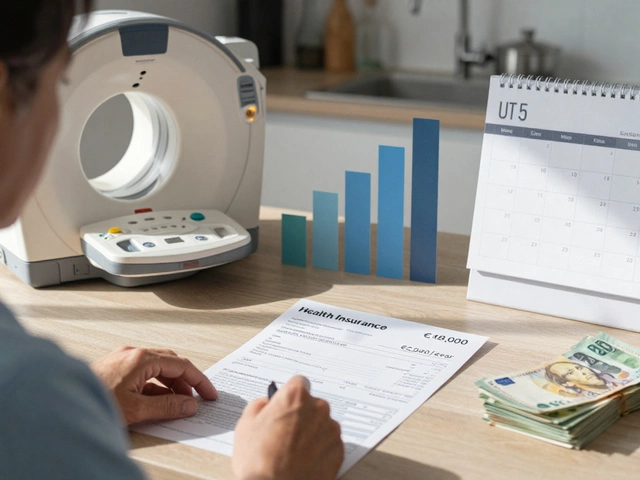
When comparing prices, it is easy to fall into the trap of looking only at the surgery fee. In reality, the total cost involves several layers. In the UK, a full tummy tuck often ranges from £3,500 to £7,000. When you travel abroad, you are not just paying for the cut and stitch; you are paying for logistics.
You need to budget for:
- Surgeon and facility fees: The core cost of the operation.
- Flights and accommodation: You will need to stay in the destination for at least one to two weeks for initial recovery.
- Compression garments: Essential for healing, these can be pricey to buy locally if you do not bring your own.
- Emergency fund: Money set aside for unexpected complications or extended stays.
Even with these added expenses, many countries still offer significant savings. For example, a package in Turkey might cost €2,500 all-inclusive, while the same procedure in London could exceed £5,000 excluding travel. The key is finding a clinic that provides transparent, all-inclusive pricing so there are no hidden shocks later.
Top Affordable Destinations for Abdominoplasty
Not every country is created equal when it comes to cosmetic surgery. Some nations have built entire industries around medical tourism, offering world-class facilities at competitive rates. Here are the top contenders for the cheapest and safest tummy tucks in 2026.
| Country | Average Cost (All-Inclusive) | Key Advantage | Risk Factor |
|---|---|---|---|
| Turkey | €2,200 - €3,500 | High volume, experienced surgeons, English-speaking staff | Moderate (verify board certification) |
| Mexico | $3,000 - $4,500 USD | Proximity to US/Canada, high-quality clinics in border cities | Low to Moderate |
| Thailand | £1,800 - £2,800 | World-class hospitals, luxury recovery environments | Low (JCI-accredited hospitals common) |
| Hungary | €2,500 - €3,500 | Close to UK/Europe, strong medical tradition | Low |
| Poland | €2,000 - €3,000 | Affordable, growing reputation in aesthetic medicine | Moderate |
Turkey has become the global hub for cosmetic surgery. Istanbul alone hosts hundreds of clinics catering to international patients. The competition drives prices down, but it also means you must be selective. Look for surgeons certified by the Turkish Society of Plastic, Reconstructive and Aesthetic Surgeons (TUCDER). Many clinics offer hotel transfers and concierge services, making the process smoother than expected.
Mexico is a popular choice for those living in North America, but it also attracts Europeans due to favorable exchange rates. Cities like Tijuana and Mexico City have clinics that meet international standards. The advantage here is proximity if you are flying from certain regions, and the cultural familiarity for Spanish speakers.
Thailand offers a different value proposition. While not always the absolute cheapest, the quality of care in Bangkok’s JCI-accredited hospitals is exceptional. If you view your recovery as a mini-vacation, Thailand provides a serene environment that can aid mental well-being during healing.
Safety First: How to Vet a Foreign Clinic
Price should never be the only deciding factor. A botched tummy tuck can lead to severe complications, including infection, poor scarring, or even life-threatening blood clots. Before you commit, you need to verify the credentials of both the surgeon and the facility.
Ask these critical questions:
- Is the surgeon board-certified? Do not accept "member of" associations. Look for full certification in plastic surgery from a recognized national body.
- Where is the surgery performed? Ensure it takes place in an accredited hospital or surgical center, not a private office without emergency backup.
- What is the plan for complications? Who covers the cost if you need revision surgery? Does the clinic provide follow-up care remotely?
- Can I see before-and-after photos? Real patient results, not stock images, show the surgeon’s actual skill level.
In the UK, the Care Quality Commission (CQC) regulates healthcare providers. Overseas, accreditation varies. Look for Joint Commission International (JCI) accreditation, which is a gold standard for hospital safety worldwide. If a clinic cannot provide proof of accreditation, walk away.

The Hidden Risks of Medical Tourism
Traveling for surgery introduces unique risks that do not exist when you stay local. The biggest concern is post-operative care. After a tummy tuck, you need close monitoring for the first 48 hours. If you fly home too soon, you risk developing deep vein thrombosis (DVT), a condition where blood clots form in the legs.
Most surgeons recommend waiting at least seven to ten days before flying. This means you need to arrange accommodation in the destination city. Another risk is language barriers. Miscommunication about pain levels or symptoms can delay treatment. Choose a clinic with dedicated patient coordinators who speak fluent English and understand your medical history.
There is also the issue of legal recourse. If something goes wrong abroad, pursuing malpractice claims is incredibly difficult. Laws vary by country, and foreign courts may not favor international patients. This is why choosing a reputable clinic with a long track record is non-negotiable.
Planning Your Trip: A Step-by-Step Checklist
To make the process less stressful, treat your medical trip like a project. Start planning at least three to six months in advance. Here is a practical checklist to keep you on track.
- Consultations: Have virtual consultations with at least three surgeons. Compare their approaches and bedside manner.
- Medical Records: Gather your full medical history, including blood tests and any previous surgeries. Send these to the clinic early.
- Insurance Check: Contact your health insurance provider. Most policies do not cover cosmetic surgery abroad, but some may cover emergency complications. Buy specialized medical travel insurance.
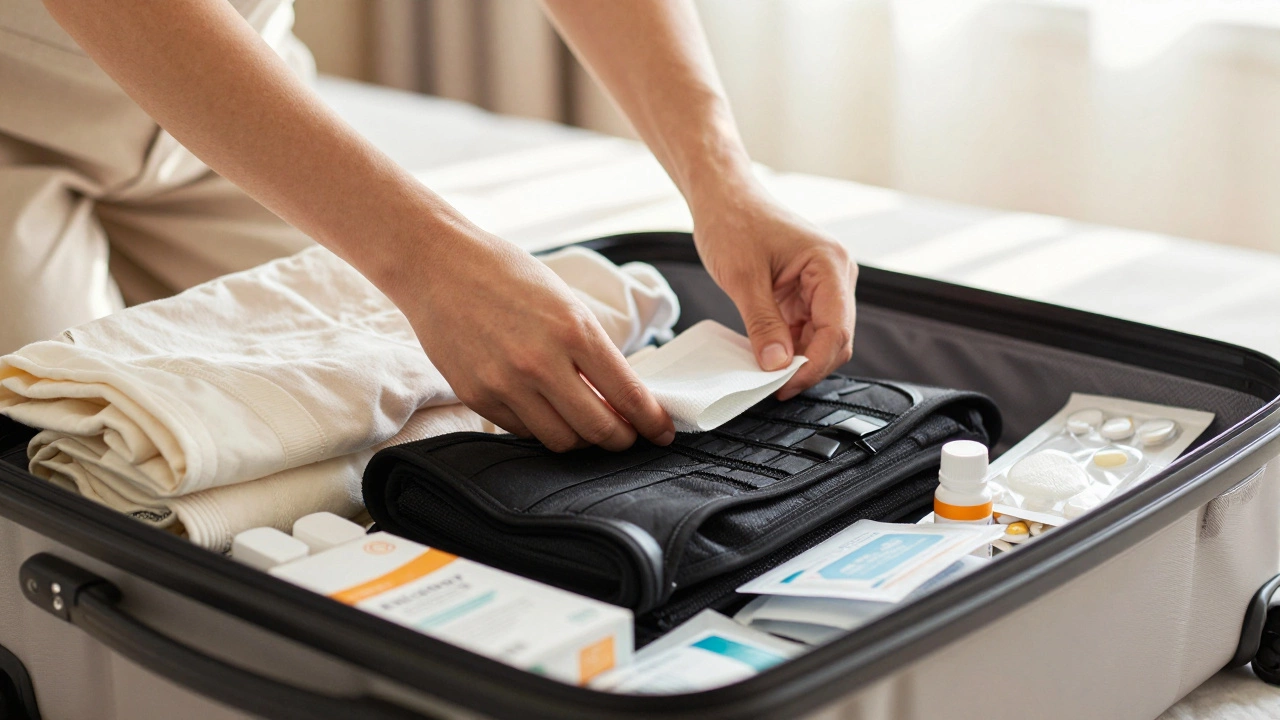
- Recovery Kit: Pack loose clothing, compression garments, pain medication (approved by your doctor), and wound care supplies.
- Support System: Arrange for someone to help you at home for the first two weeks after you return. You will not be able to lift heavy objects or drive.
Timing matters too. Avoid scheduling surgery during peak tourist seasons if possible, as flights and hotels will be more expensive. Spring and autumn often offer better deals and milder weather for recovery.
Alternatives to Going Abroad
If the idea of traveling for surgery feels too risky, there are other ways to manage costs in the UK. Some NHS trusts offer abdominoplasty as part of reconstructive surgery after massive weight loss, but waiting lists can be long. Private financing plans allow you to spread the cost over 12 to 24 months, reducing the upfront burden.
You might also consider non-surgical alternatives. Treatments like CoolSculpting or radiofrequency skin tightening can improve contour without incisions. While they do not remove excess skin like a tummy tuck, they can be effective for minor concerns and are generally safer and cheaper.
Another option is training with emerging surgeons. Newly qualified plastic surgeons may charge lower fees to build their portfolio. Ensure they are working under supervision and have a good reputation. This can be a way to access high-quality care at a reduced price within your home country.
Final Thoughts on Making the Right Choice
Finding the cheapest country for a tummy tuck is not just about finding the lowest number. It is about finding the best value for your money and your health. Turkey, Mexico, Thailand, Hungary, and Poland all offer compelling options, but each comes with its own set of pros and cons.
Your decision should be based on thorough research, not impulse. Verify credentials, ask hard questions, and prioritize safety over savings. A successful tummy tuck can boost your confidence and improve your quality of life, but only if done correctly. Take your time, do your homework, and choose a partner you trust.
Is it safe to get a tummy tuck in Turkey?
Yes, it can be safe if you choose a board-certified surgeon and a JCI-accredited hospital. Turkey is a leading destination for medical tourism with high standards of care. However, you must avoid discount clinics that lack proper accreditation or use uncertified practitioners.
How much does a tummy tuck cost in the UK compared to abroad?
In the UK, a tummy tuck typically costs between £3,500 and £7,000. In countries like Turkey or Thailand, the all-inclusive cost can range from £1,800 to £3,500. Even after adding flights and hotels, you may save 30% to 50% by going abroad.
What are the risks of flying after a tummy tuck?
The main risk is deep vein thrombosis (DVT), where blood clots form in the legs due to immobility. Flying too soon after surgery increases this risk significantly. Most surgeons advise waiting at least 7 to 10 days before traveling by air to ensure initial healing is stable.
Does health insurance cover tummy tucks abroad?
Generally, no. Most health insurance policies exclude elective cosmetic procedures. However, some specialized medical travel insurance plans may cover complications arising from the surgery. Always check your policy details and consider buying additional coverage specifically for medical tourism.
How long should I stay abroad after a tummy tuck?
You should plan to stay for at least 10 to 14 days. This allows for initial recovery, suture removal, and monitoring for any immediate complications. Rushing back home can lead to serious issues if problems arise while you are far from your surgeon.