Sedation Option Finder
Answer a few quick questions to see which sedation level might be most appropriate for your dental implant procedure. (Always consult with your surgeon for a final medical decision)
Recommended: ---
Please select your options above.
The idea of a drill heading toward your jawbone is enough to make anyone sweat. If you're reading this, you're probably wondering if you have to be wide awake for the whole process or if you can just drift off and wake up with a new tooth. The short answer is: it depends on your nerves and the complexity of the job, but you almost certainly don't dental implant sedation have to suffer through it in pain.
Quick Summary: Sedation Options
- Local Anesthetic: You're awake; the area is numb. Best for low anxiety.
- Nitrous Oxide: "Laughing gas." You're relaxed and awake.
- Conscious Sedation: Deeply relaxed, may drift in and out, but can respond.
- General Anesthesia: Completely unconscious (true "sleep"). Reserved for complex cases.
Most people aren't actually "put to sleep" in the way you see in a hospital for heart surgery. Instead, dentists use a spectrum of sedation to keep you comfortable. Let's break down exactly how this works and what you can actually expect when you sit in that chair.
The Standard Approach: Local Anesthesia
For a straightforward implant-like replacing a single tooth in a healthy jaw-most dentists start with Local Anesthesia is a medication injected near the surgical site to block pain signals by numbing the nerves. . This is the same stuff you get for a filling. You'll feel the pinch of the needle, and then your lip and gum will feel like heavy rubber. You're fully awake, you can chat with the dentist, but you won't feel the actual implant being placed.
If you don't have a phobia of needles or the sound of the drill, this is usually all you need. However, for many people, the problem isn't the physical pain-it's the anxiety. That's where the other options come in.
The Middle Ground: Conscious Sedation
If local numbing isn't enough for your peace of mind, Conscious Sedation is a technique that induces a state of deep relaxation where the patient remains conscious and able to respond to instructions. . This is the most popular choice for those with moderate dental anxiety.
There are a few ways this happens. You might use Nitrous Oxide, commonly known as laughing gas, which you breathe through a mask. It makes you feel floaty and indifferent to what's happening. Alternatively, some clinics use oral sedatives-pills you take an hour before the appointment that make you feel very drowsy.
Then there's IV Sedation, which is a step up. A medication is delivered directly into your bloodstream. You aren't technically asleep, but you're in a twilight state. Many patients experience "anterograde amnesia," meaning they have no memory of the procedure once it's over. You're technically breathing on your own, but you're barely there.
| Method | State of Awareness | Recovery Time | Best For |
|---|---|---|---|
| Local Anesthetic | Fully Awake | Immediate | Low Anxiety / Simple Cases |
| Nitrous Oxide | Relaxed / Giddy | 5-10 Minutes | Mild Anxiety / Gag Reflex |
| IV Sedation | Twilight State | 2-4 Hours | High Anxiety / Long Procedures |
| General Anesthesia | Unconscious | Full Day | Severe Phobias / Complex Bone Grafts |

When Are You Actually Put to Sleep?
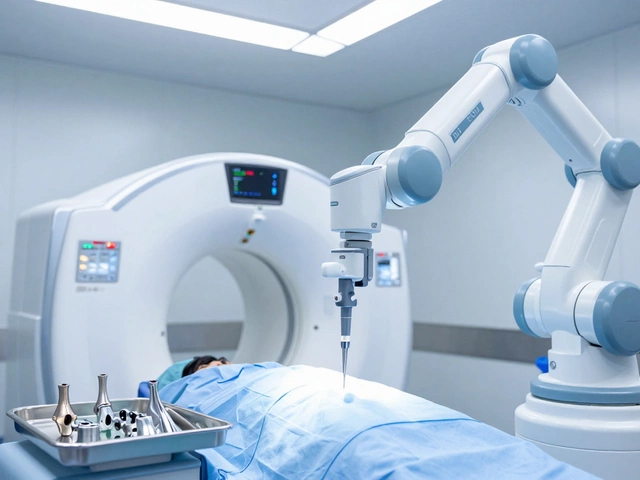
True General Anesthesia is a medically induced state of unconsciousness where the patient is completely unresponsive to pain and surroundings. . This is rare for a single dental implant because it carries more risks and requires a separate surgical suite and an anesthesiologist.
You'll likely only be put completely under if you're having a full-mouth reconstruction-think 10+ implants, extensive Bone Grafting (where bone is added to the jaw), or if you have a medical condition that makes sitting in a dental chair for three hours dangerous. In these cases, the procedure is often done in a hospital or a specialized surgical center rather than a standard high-street dental clinic.
What Happens After You Wake Up?
The "coming down" part depends entirely on how deep you went. If you had laughing gas, you'll be driving your car home ten minutes after the mask comes off. If you had IV sedation or general anesthesia, you're going to feel like you've slept for a thousand years and your brain is wrapped in cotton wool.
You cannot drive yourself home after any sedation stronger than laughing gas. You'll need a "designated driver" or a friend to pick you up. Your coordination will be off, and your judgment will be clouded for several hours. Most people find that the first few hours are spent napping and eating soft foods like yogurt or lukewarm soup while the local numbing wears off.

Choosing the Right Option for Your Case
Deciding which route to take usually comes down to a conversation between you and your surgeon. If you've had a bad experience with a dentist in the past, don't be afraid to tell them. They see nervous patients every single day. A good surgeon will assess your medical history-such as whether you have heart issues or sleep apnea-before suggesting a specific sedative.
If you're worried about the cost, keep in mind that IV sedation and general anesthesia usually cost more than local numbing. In the UK, private clinics will list these as separate fees. It's worth weighing the extra cost against the mental stress of being awake. For some, paying an extra £200 for IV sedation is the only way they can actually get the treatment they need.
Will I feel pain during the implant if I'm sedated?
No. Sedation is for your mind (anxiety), but local anesthesia is for the physical pain. Even if you are deeply sedated or completely asleep, the dentist will still use a local anesthetic to numb the area. This ensures that as the sedation wears off, you don't wake up to a throbbing surgical site.
Is general anesthesia dangerous for dental work?
Like any medical procedure, it carries risks, such as reactions to the medication or respiratory issues. This is why dentists prefer IV sedation; it's safer, requires less monitoring, and is sufficient for 95% of patients. General anesthesia is typically reserved for those who absolutely cannot cooperate or have extreme medical needs.
How long does it take to recover from IV sedation?
You'll start to wake up almost immediately after the medication is stopped, but you'll feel groggy for a few hours. Most people are back to their normal selves by the next morning. Avoid making any big legal or financial decisions for 24 hours after the procedure.
Can I take my own anxiety medication before the appointment?
You must disclose all medications to your surgeon. Some anti-anxiety meds can interact with sedatives, either making them too strong or cancelling them out. Your dentist will either tell you to keep taking them or provide a specific pre-operative dose to help you get through the door.
What if I have a strong gag reflex?
Nitrous oxide (laughing gas) or IV sedation is excellent for people with a strong gag reflex. These methods relax the muscles in your throat and reduce the hypersensitivity that triggers the gagging response, making the procedure much easier for both you and the dentist.
Next Steps and Troubleshooting
If you're still feeling anxious, start by booking a consultation rather than the surgery itself. Use this time to ask the dentist about their specific sedation equipment and if they have a certified nurse to monitor your vitals during IV sedation.
For those who have tried sedation before and found it didn't work, ask about "deep sedation." Some clinics can calibrate the IV drip to keep you closer to the edge of unconsciousness without needing a full operating room. Always remember to bring a support person; having a familiar face in the waiting room can lower your heart rate more than any pill can.