
Telehealth Service Selector Tool
Step 1: What is your primary reason for seeking an online doctor?
Urgent Care
Sudden illness, rash, infection todayChronic Management
Diabetes, hypertension, long-term trackingMental Health
Therapy, counseling, stress supportPrescription Refill
Existing meds, birth control, etc.Travel/Expat
International coverage neededStep 2: Do you have health insurance in Ireland?
Waking up with a sudden rash, a lingering cough, or just needing a prescription refill can feel like a minor crisis. In the past, you’d have to wait for an appointment slot that might not open for weeks, drive through traffic, and sit in a crowded waiting room. Today, you can talk to a doctor from your sofa. But here is the catch: not all online doctors are created equal.
The market for telehealth services has exploded since 2020. You have everything from massive global platforms to small local clinics offering video calls. If you pick the wrong one, you might end up paying high fees for a rushed five-minute chat that doesn’t solve your problem. So, what is actually the best option for you in 2026? It depends on whether you need immediate care, ongoing management of a chronic condition, or simply a quick prescription renewal.
Quick Summary: Key Takeaways
- For urgent but non-life-threatening issues: Look for services with guaranteed response times under 30 minutes and 24/7 availability.
- For continuity of care: Choose platforms that integrate with your local pharmacy and allow file sharing with your primary GP.
- Cost matters: Prices range from free (ad-supported) to €50+ per visit. Check if your insurance covers virtual consultations.
- Data privacy is critical: Ensure the platform uses end-to-end encryption and complies with GDPR standards.
- Specialists vs. GPs: General practitioners handle common ailments; specialists require referrals and deeper expertise.
Defining the "Best" Online Doctor for Your Needs
Before we look at specific names, we need to define what "best" means. There is no single winner because medical needs vary wildly. An online doctor service that excels at treating skin conditions might be terrible for mental health support. To find the right fit, you must match the platform’s strengths with your specific health goal.
Consider these three main categories:
- On-Demand Urgent Care: These are for when you feel sick today. Think flu symptoms, urinary tract infections, or allergic reactions. Speed is the priority here.
- Chronic Condition Management: If you deal with diabetes, hypertension, or asthma, you need a platform that offers long-term tracking, medication adjustments, and regular follow-ups.
- Mental Health & Wellness: Therapy and counseling require trust and consistency. The "best" provider here is one where you can stick with the same therapist over months.
In Ireland, the landscape is unique. We have a mix of private providers and public initiatives. Understanding this distinction helps you avoid surprise bills.
Top Contenders in the Irish Market (2026)
Let’s look at some of the most reputable services available in Ireland right now. These platforms have established track records for reliability, doctor quality, and user experience.
| Provider | Best For | Average Cost | Response Time | Insurance Coverage |
|---|---|---|---|---|
| MediCall | Urgent GP visits | €25 - €40 | < 15 mins | Most major insurers |
| Doctor Anywhere | Corporate/Employee health | Varies by plan | < 30 mins | Yes |
| Laya Health Plan App | Laya members | Free for members | Same day | Laya only |
| Global Doctors | International travel/Expat | €30+ | Within 1 hour | International plans |
MediCall is often cited as a go-to for immediate needs. Their app allows you to book a video call with a registered GP quickly. They are particularly strong in handling acute infections and minor injuries. However, they may not be ideal for complex, long-term care.
If you are insured with Laya Health Plan, using their integrated app is usually the smartest move. It’s seamless, often free, and your records stay within your insurer’s ecosystem, which simplifies claims.
Critical Factors to Evaluate Before Signing Up
You shouldn’t just pick the first name you see. Here is what you need to check before handing over your credit card or personal data.
1. Doctor Credentials and Registration
This is non-negotiable. Every doctor providing care in Ireland must be registered with the Medical Council of Ireland. Reputable platforms display this clearly. Some international apps use doctors licensed in other countries. While their medical training might be excellent, they cannot prescribe certain medications legally in Ireland without specific arrangements. Always verify who is actually seeing you.
2. Data Privacy and Security
Your health data is sensitive. The platform must comply with GDPR (General Data Protection Regulation). Look for terms like "end-to-end encryption" in their security policy. Ask yourself: Who owns my data? Can it be sold to third parties? Avoid platforms that monetize user health data for advertising.
3. Prescription Handling
One of the biggest advantages of an online consultation is getting prescriptions delivered. Does the service partner with local pharmacies like Boots or SuperValu? Or do they ship pills themselves? Shipping adds cost and time. Local pickup is faster and cheaper. Also, note that controlled substances (like strong painkillers or ADHD medications) often require an initial in-person visit due to legal restrictions.
4. Cost Transparency
Hidden fees are frustrating. Some services advertise "free consultations" but charge extra for the prescription script or the video call technology. Others charge a flat fee. In 2026, expect to pay between €20 and €50 for a standard GP visit unless covered by insurance. Mental health sessions typically cost more, ranging from €60 to €100.
When Should You Use an Online Doctor?
Telehealth is powerful, but it has limits. Knowing when to use it saves time and money. Here are scenarios where it shines:
- Minor Illnesses: Colds, flu, sore throats, ear infections, and urinary tract infections are perfect candidates. Symptoms are clear, and physical exams are less critical.
- Prescription Refills: Need more birth control, antidepressants, or blood pressure meds? A quick video check-in confirms stability and sends the script to your pharmacy.
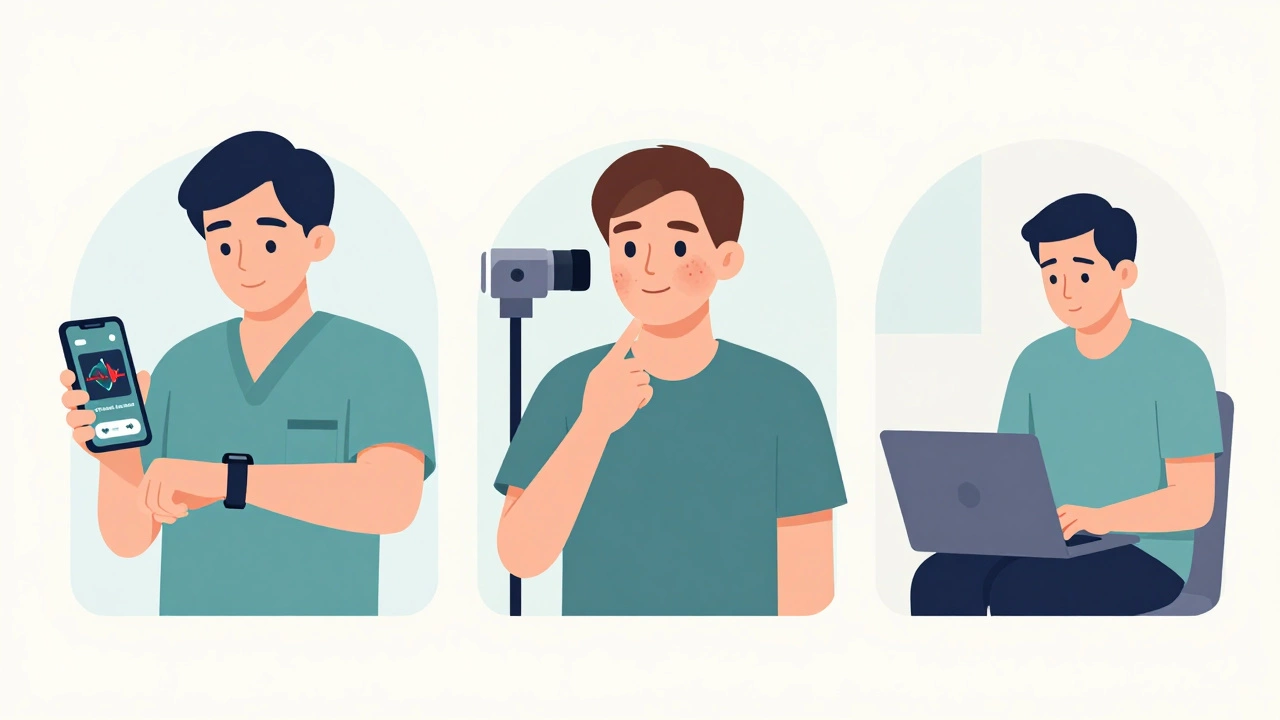
- Skin Issues: Rashes, acne, and eczema are highly visual. High-quality cameras allow doctors to diagnose effectively without touching the skin.
- Mental Health Check-ins: Therapy works well remotely. Many patients report feeling more comfortable discussing sensitive topics from home.
Conversely, avoid online doctors for chest pain, severe abdominal pain, difficulty breathing, or head injuries. These require physical examination and possibly emergency imaging. Call 112 or go to A&E immediately.
The Role of Insurance in 2026
In Ireland, having health insurance changes the equation significantly. Most major providers-VHI, Laya, European Health-now cover virtual consultations. However, the coverage varies.
Some plans cover 100% of the cost if you use their preferred network. Others reimburse you after payment. Always check your policy documents. Using an out-of-network provider might mean paying full price. This is a common pitfall. I’ve seen friends pay €40 for a call they thought was covered, only to get a bill later. Read the fine print on "telemedicine exclusions."
Future Trends: What’s Next for Online Doctors?
The industry is evolving rapidly. By late 2026, we’re seeing more integration with wearable devices. Imagine your Apple Watch or Fitbit sending heart rate data directly to your doctor during a consultation. This provides objective data rather than relying solely on your description of symptoms.
Artificial Intelligence (AI) is also playing a bigger role. AI triage bots now screen symptoms before you connect with a human. This ensures you reach the right specialist faster. However, remember that AI does not replace the doctor. It supports them. The final diagnosis and treatment plan always come from a licensed professional.
Another trend is the rise of hybrid models. You might start with an online consult, then be referred to a local clinic for blood tests or procedures. This "best of both worlds" approach maximizes efficiency. Look for platforms that offer this seamless handoff.

How to Prepare for Your First Online Visit
To get the most out of your appointment, preparation is key. Here is a simple checklist:
- Test your tech: Ensure your camera and microphone work. Poor audio leads to misunderstandings.
- List your symptoms: Write down when they started, severity, and any triggers. Memory fades under stress.
- Gather medical history: Have a list of current medications, allergies, and past surgeries ready.
- Choose a quiet space: Background noise distracts the doctor and compromises privacy.
- Have your ID handy: You may need to verify your identity for security purposes.
Being organized shows respect for the doctor’s time and leads to better outcomes. It turns a casual chat into a productive medical consultation.
Common Pitfalls to Avoid
Even with the best intentions, users make mistakes. Here are the top errors:
- Expecting instant results: Some diagnoses take time. Don’t rush the doctor. Listen carefully.
- Hiding information: Be honest about lifestyle habits like smoking, alcohol, or diet. Doctors aren’t judges; they need facts to help you.
- Ignoring follow-up instructions: If the doctor says "monitor for 48 hours," do it. Don’t ghost them. Follow-up is crucial for safety.
- Using unverified apps: Stick to well-known brands. Downloaded random apps from unknown sources risk your data and health.
Avoiding these traps ensures a smooth experience. Remember, the goal is improved health, not just a quick fix.
Final Thoughts on Choosing Your Provider
There is no single "best" online doctor for everyone. The right choice depends on your insurance, your specific health needs, and your budget. For most people in Ireland, starting with their insurer’s recommended platform is the safest bet. It guarantees coverage and data compatibility.
If you are uninsured, prioritize transparency and credentials. Read reviews, check registration status, and understand the pricing model. Your health is worth the effort of finding a reliable partner. Don’t settle for convenience if it means sacrificing quality or safety.
Take your time to research. Try a low-stakes consultation first, like a prescription refill, to test the waters. Once you find a service that feels trustworthy and effective, stick with it. Consistency builds a stronger doctor-patient relationship, even in a digital world.
Is an online doctor consultation as good as an in-person visit?
For many common conditions, yes. Studies show high satisfaction rates for telehealth regarding minor illnesses, mental health, and chronic disease management. However, for issues requiring physical examination, such as abdominal pain or broken bones, an in-person visit is essential. Online doctors excel at triage, diagnosis of visible symptoms, and prescription management.
Can an online doctor prescribe antibiotics?
Yes, if they determine it is medically necessary. After a video consultation, if the doctor diagnoses a bacterial infection like a UTI or strep throat, they can send a prescription to your local pharmacy. They will assess your symptoms and history to ensure antibiotics are the right course of action, avoiding unnecessary use.
Are online doctor visits covered by VHI or Laya?
Most plans from VHI and Laya cover virtual GP consultations, often at 100% reimbursement if you use their partnered networks. Check your specific policy details, as coverage can vary based on your plan level and whether you have met your annual limits. Using in-network providers ensures maximum benefit.
How secure is my data with an online doctor?
Reputable platforms use end-to-end encryption and comply with GDPR regulations. Your data is stored securely and accessed only by authorized medical staff. Always read the privacy policy to understand how data is used. Avoid platforms that share data with advertisers. Legitimate medical services prioritize patient confidentiality above all else.
What should I do if I feel worse after an online consultation?
If your symptoms worsen or new severe symptoms appear, seek immediate in-person care. Go to your local GP surgery, urgent care center, or A&E if necessary. Do not rely solely on further online advice for deteriorating conditions. Online doctors provide guidance, but they cannot physically examine you if things change rapidly.
Can I get mental health therapy online?
Absolutely. Many platforms specialize in mental health, offering video sessions with licensed psychologists and psychiatrists. This is often more convenient and accessible than traditional therapy. Look for providers accredited by relevant psychological bodies to ensure quality care. Consistency and trust are key factors in successful online therapy.
Is there a free online doctor service in Ireland?
Fully free medical consultations are rare unless provided by your employer or insurer. Some platforms offer free initial symptom checks or advice lines, but formal diagnoses and prescriptions usually incur a fee. Be cautious of services claiming to be completely free, as they may monetize your data or push unnecessary treatments. Public health resources like HSE websites offer free general health information.