
Private Surgery Cost & Recovery Estimator
Spinal Fusion
Complex bone grafting with metal hardware.
High Complexity €15k - €30kWhipple Procedure
Major abdominal reconstruction.
Very High Complexity €40k+Total Joint Replacement
Hip or knee replacement.
Medium Complexity €12k - €18kHeart Bypass (CABG)
Open heart surgery.
High Complexity €25k - €35kPersonalize Your Estimate
When you hear the word "surgery," your mind might jump to a quick fix or a routine procedure. But for some conditions, the operation itself is just the beginning of a long, grueling journey. You might be wondering what actually makes a surgery "hard." Is it the pain? The length of the hospital stay? Or the sheer complexity of the procedure? In reality, the hardest surgeries to go through are those that involve multiple body systems, carry high risks of complications, and demand months of intense rehabilitation.
If you're considering private care in Ireland, understanding these challenges is crucial. It’s not just about booking an appointment; it’s about preparing for a physical and mental marathon. Let’s look at the procedures that surgeons and patients agree are the most demanding, and what they mean for your health and your wallet.
The Anatomy of a Difficult Recovery
Before listing specific operations, we need to define what makes a surgery "hard." It’s rarely just one factor. A difficult recovery usually combines three elements: physiological trauma, psychological strain, and logistical burden.
- Physiological Trauma: This refers to how much the body is physically disrupted. Major joint replacements, organ transplants, and spinal fusions involve cutting through bone, muscle, and nerve pathways. The body’s inflammatory response to this trauma can be overwhelming, leading to prolonged fatigue and pain.
- Psychological Strain: Fear of failure, loss of independence, and the stress of being dependent on others take a toll. Post-operative anxiety is common, especially when patients face uncertainty about their future mobility or function.
- Logistical Burden: Some surgeries require specialized equipment, home modifications, or round-the-clock care. If you live alone or have limited support, the logistics of recovery can feel harder than the surgery itself.
Understanding these factors helps you prepare better. It shifts the focus from just "getting it done" to managing the entire recovery process.
Top Contenders for the Hardest Surgeries
While individual experiences vary, certain procedures consistently rank as the most challenging due to their complexity and recovery demands.
1. Spinal Fusion Surgery
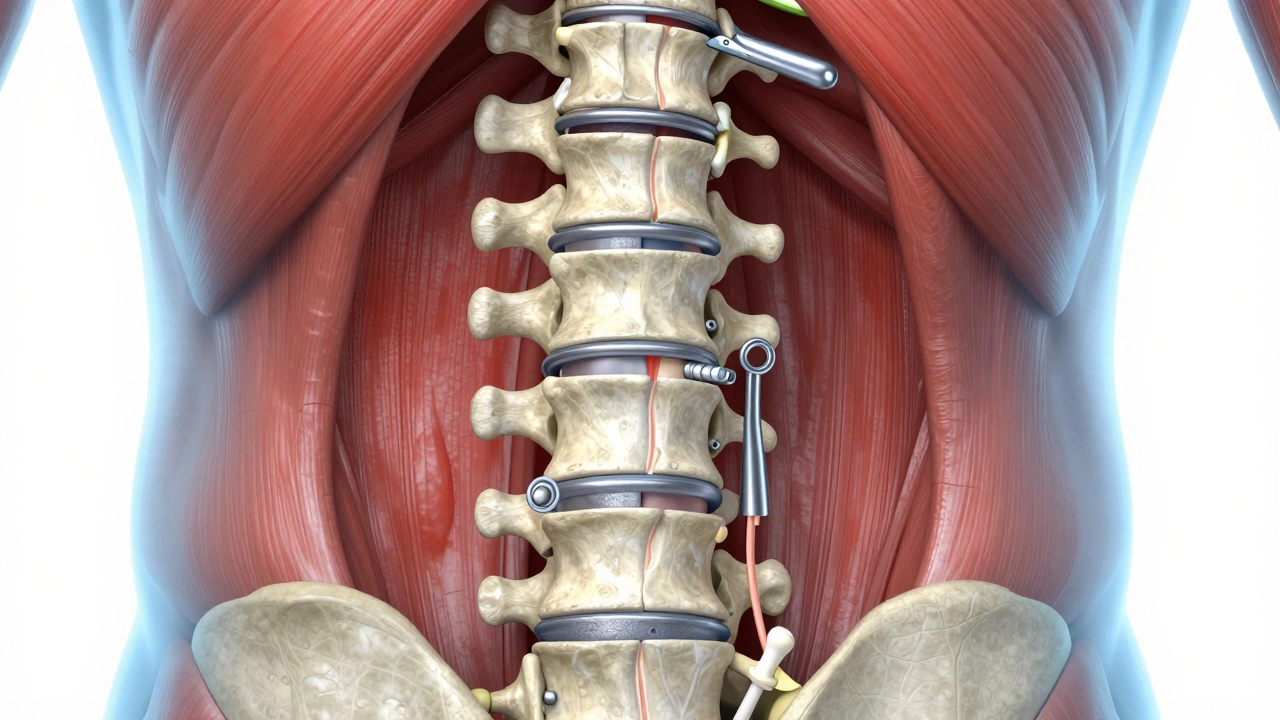
Spinal Fusion is a procedure where two or more vertebrae are joined together using bone grafts and metal hardware. This surgery is often recommended for severe back pain, scoliosis, or degenerative disc disease.
Why is it so hard? The spine is central to your mobility. Fusing vertebrae means your body must heal bone across a gap, which takes months. During this time, movement is severely restricted. Many patients report intense muscle spasms and pain as the surrounding muscles adjust to the new stability. Recovery can take six months to a year before normal activities resume. The risk of adjacent segment disease-where the discs above or below the fusion wear out faster-is also a concern.
2. Whipple Procedure (Pancreaticoduodenectomy)
Whipple Procedure is a complex abdominal surgery involving the removal of part of the pancreas, the stomach, the duodenum, and sometimes the gallbladder. It’s primarily used to treat pancreatic cancer or other tumors in the head of the pancreas.
This is widely considered one of the most difficult abdominal surgeries. It involves reconnecting multiple organs to restore digestive function. The risk of complications like leaks from the surgical connections, infection, and delayed gastric emptying is significant. Hospital stays often last over a week, and full recovery can take three to six months. Patients must adapt to a new digestive system, often requiring enzyme supplements and dietary changes.
3. Total Hip and Knee Replacements
While common, Total Joint Replacement surgeries are major orthopedic procedures that replace damaged joint surfaces with artificial components. They are painful because they involve cutting through thick muscles and bone.
The challenge here isn’t just the initial pain-it’s the rehabilitation. Walking again requires retraining muscles that have been weak or inhibited by pain. Physical therapy is intensive and daily. For many, the fear of dislocating the new joint adds psychological stress. While modern techniques have improved recovery times, it remains a significant ordeal for older adults or those with pre-existing mobility issues.
4. Coronary Artery Bypass Grafting (CABG)
CABG, or heart bypass surgery, involves taking blood vessels from other parts of the body to create new routes around blocked coronary arteries. It’s a life-saving procedure but highly invasive.
The sternum (breastbone) is split open, which causes significant pain and limits upper body movement for weeks. Fatigue is profound, and cognitive changes (often called "pump head") can occur temporarily. Emotional recovery is also key, as patients confront their mortality and lifestyle changes needed to protect their heart.
| Surgery Type | Avg. Hospital Stay | Recovery Time | Key Challenges |
|---|---|---|---|
| Spinal Fusion | 3-5 days | 6-12 months | Mobility restriction, muscle spasms |
| Whipple Procedure | 7-10 days | 3-6 months | Digestive adaptation, infection risk |
| Total Hip/Knee Replacement | 2-4 days | 3-6 months | Intensive physiotherapy, pain management |
| CABG (Heart Bypass) | 5-7 days | 6-12 weeks | Sternal pain, fatigue, emotional impact |
The Cost of Complexity: Private Surgery in Ireland
In Ireland, the choice between public and private healthcare often hinges on waiting times and control over your care. However, complex surgeries come with higher costs. Why? Because they require specialized surgeons, longer operating room time, advanced technology, and extended post-operative care.
For example, a spinal fusion in a private hospital in Dublin can cost anywhere from €15,000 to €30,000, depending on the number of levels fused and whether minimally invasive techniques are used. A Whipple procedure might exceed €40,000 due to its rarity and the need for a multidisciplinary team.
Insurance coverage varies. Most private medical insurance plans in Ireland cover essential treatments, but there may be excess payments or limits on room charges. Always check your policy details regarding "complex procedures" or "specialist fees." Some insurers exclude experimental treatments or certain cosmetic aspects of reconstruction.
Cost isn't just about the surgery bill. Consider:
- Pre-surgical tests: MRI scans, blood work, and specialist consultations.
- Post-operative care: Physiotherapy, occupational therapy, and potential home nursing.
- Lost income: Time off work during recovery can significantly impact finances.
Preparing for the Hard Parts
You can’t eliminate the difficulty, but you can mitigate it. Preparation is your best tool.
- Build Your Support Network: Identify family members or friends who can help with daily tasks. Hire a carer if necessary. Don’t wait until after surgery to arrange this.
- Optimize Your Health: Quit smoking, manage blood sugar, and maintain a healthy weight. These factors drastically reduce complication risks.
- Educate Yourself: Ask your surgeon detailed questions. What are the specific risks? What does pain management look like? Knowing what to expect reduces anxiety.
- Plan Your Home: Remove tripping hazards, install grab bars, and set up a recovery area on the ground floor if possible.

Navigating the Mental Challenge
The mental aspect of recovery is often underestimated. Depression and anxiety are common after major surgery. The loss of independence, coupled with pain and fatigue, can be overwhelming.
Don’t ignore these feelings. Talk to your doctor about them. Cognitive behavioral therapy (CBT) or counseling can be incredibly helpful. Joining support groups for people who’ve undergone similar surgeries provides practical advice and emotional solidarity. Remember, healing isn’t linear. There will be good days and bad days. Be patient with yourself.
When to Choose Private Care
Private healthcare offers advantages like shorter waiting times, choice of surgeon, and single-room accommodations. For complex surgeries, having a dedicated care team and immediate access to specialists can make a difference. However, weigh these benefits against the cost. If you have comprehensive insurance, private care might be accessible without huge out-of-pocket expenses. If paying cash, ensure you’re financially prepared for the total cost, including unforeseen complications.
Always consult with your GP and specialist to determine the best path for your specific condition. Sometimes, a hybrid approach-public consultation followed by private surgery-can balance cost and convenience.
What is the most painful surgery?
Pain is subjective, but spinal fusion, thoracotomy (chest surgery), and open-heart surgeries are frequently cited as among the most painful due to the involvement of bone, nerves, and major muscle groups. Effective pain management protocols are critical.
How much does private spinal surgery cost in Ireland?
Costs vary widely based on complexity. A simple decompression might cost €8,000-€12,000, while a multi-level spinal fusion can range from €15,000 to over €30,000. Additional costs include anesthesia, hospital stay, and implants.
Can I get a second opinion for complex surgery?
Absolutely. Seeking a second opinion is standard practice for major procedures. It ensures you understand all options, risks, and expected outcomes. Many hospitals offer formal second-opinion clinics.
Does private insurance cover all surgery costs?
Most policies cover medically necessary treatments, but check for excesses, limits on room charges, and exclusions for certain specialists or technologies. Pre-existing conditions may also affect coverage.
How long should I wait before returning to work after major surgery?
This depends on the surgery and your job. Desk jobs might allow return in 4-6 weeks, while physically demanding roles could require 3-6 months or more. Follow your surgeon’s specific guidance.