UK NHS Healthcare Eligibility Checker
Select your situation below to see what is covered by the NHS and where you might face costs.
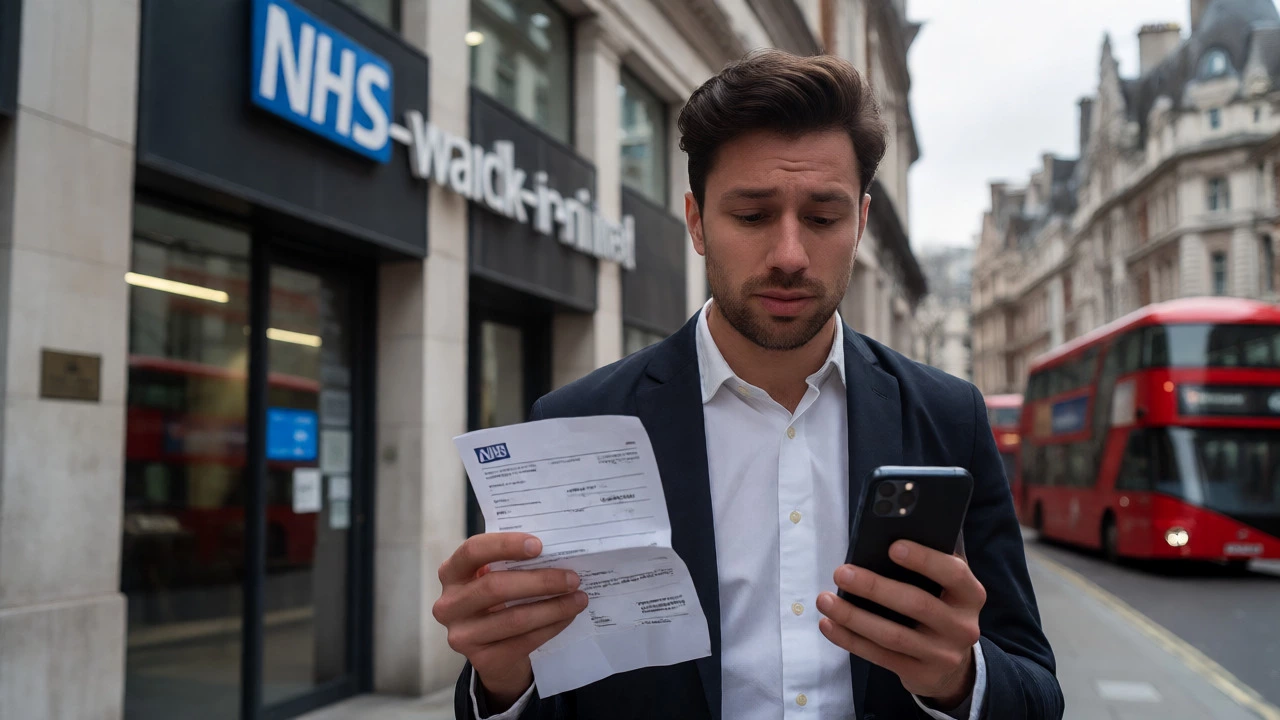
Imagine landing at Heathrow, excited about your new life in London, and waking up three weeks later with a nasty infection. You head to a walk-in centre, expecting the same seamless care you heard about in movies. Then comes the bill: £200 for something that would have cost nothing back home. Or worse, you get turned away because you haven't paid your Immigration Health Surcharge. The idea that the UK offers free healthcare to everyone is one of the most persistent myths among expats and tourists. It’s not entirely wrong, but it’s dangerously incomplete.
The truth depends on who you are, why you’re there, and how long you plan to stay. If you’re a tourist visiting for two weeks, you’ll pay for hospital treatment but not for emergency A&E visits. If you’re moving for work, you’ve likely already paid thousands upfront. This guide breaks down exactly what NHS covers for non-residents and where the hidden costs lurk, so you don’t get caught off guard by a surprise invoice months after leaving the country.
The Core Rule: Ordinary Residence vs. Tourist Status
The National Health Service (NHS) operates on a principle called "ordinary residence." This isn't just about having an address; it's about whether the UK is your main home. If you live here legally and ordinarily, you generally get free access to most services. If you're here temporarily-say, as a tourist or short-term visitor-the rules flip. You still get emergency care for free, but if you need planned treatment, hospital admission, or specialist follow-ups, you become a chargeable patient.
This distinction causes massive confusion. Many people think "visiting" means they can use the GP system freely. They can register with a GP, yes, but GPs can refuse registration if you aren't resident. Even if they accept you, any referral to a hospital specialist might trigger billing checks. The NHS trusts have dedicated teams whose sole job is to chase down patients from abroad for unpaid bills. Ignoring these letters doesn't make them disappear; it often leads to debt collection agencies and potential issues when applying for future visas.
The Immigration Health Surcharge (IHS): Your Ticket to Care
If you're moving to the UK for more than six months, you almost certainly paid the Immigration Health Surcharge (IHS) as part of your visa application. This isn't insurance in the traditional sense; it's a tax that grants you full access to the NHS, similar to what British citizens enjoy. As of 2026, the rates remain steep: roughly £1,035 per year for adults and £776 for students or under-18s. For a five-year visa, that’s over £5,000 upfront.
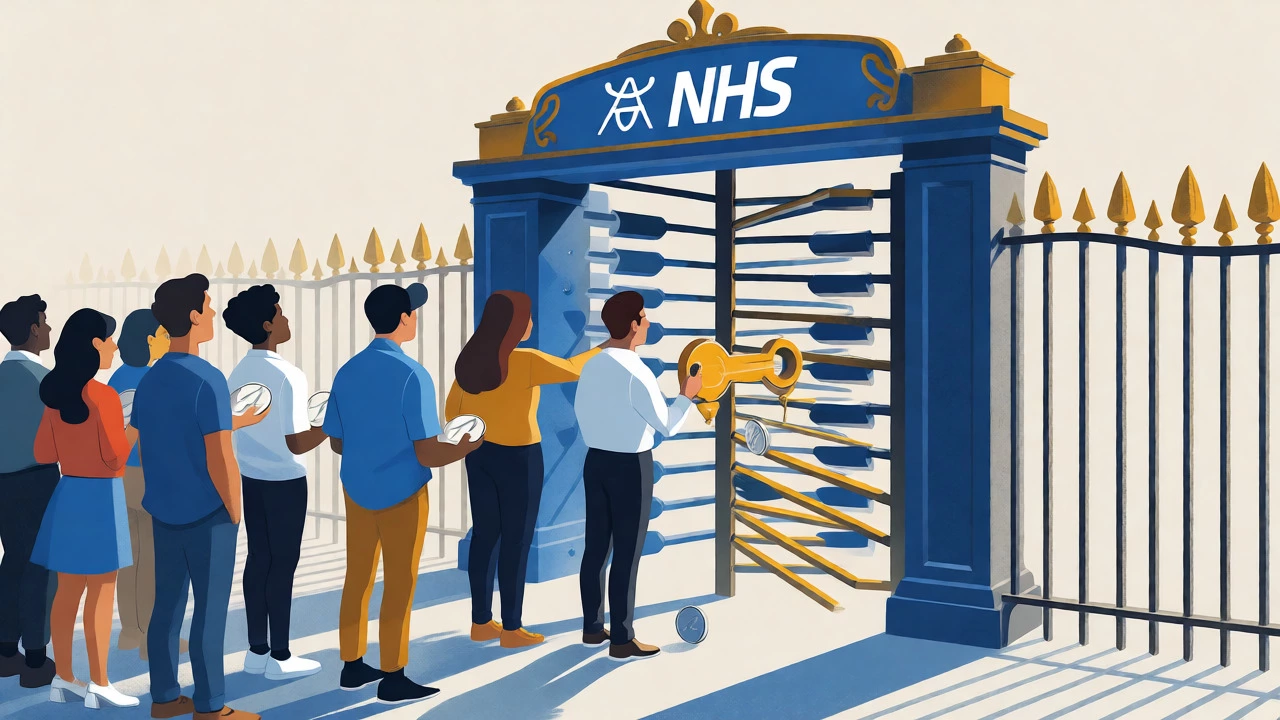
Paying the IHS removes the barrier to free hospital care, GP visits, and mental health support. However, it does not cover everything. Prescription charges, dental care, and optical services usually still require co-pays unless you qualify for exemptions (like being under 16, over 60, or pregnant). Think of the IHS as buying a season pass to the museum; entry is free, but the gift shop and special exhibitions still cost money.
| Visitor Type | Emergency Care (A&E) | GP Consultation | Hospital Treatment | Prescriptions |
|---|---|---|---|---|
| Tourist (<6 months) | Free | Often free (varies) | Charged | Full Price (£9.65/item) |
| Visa Holder (Paid IHS) | Free | Free | Free | Co-pay (unless exempt) |
| EU Citizen (EHIC/GHIC) | Free | Free (if urgent) | Free (medically necessary) | Varies by country |
| Reciprocal Agreement Country | Free | Free (limited) | Charged (usually) | Full Price |
What About EU Citizens and Travelers?
Post-Brexit, the European Health Insurance Card (EHIC) was replaced by the Global Health Insurance Card (GHIC) for many Europeans. If you hold a valid GHIC, you can access medically necessary state-provided healthcare during temporary stays in the UK at the same cost as a UK resident-which often means free. But be careful: "medically necessary" excludes treatments you specifically traveled to the UK to receive. You can't fly into Manchester for elective knee surgery using a GHIC.
Citizens from countries with reciprocal healthcare agreements (like Australia, New Zealand, or Canada) have different rights. These deals are often limited to immediate necessary treatment and do not cover ongoing chronic care or planned procedures. An Australian backpacker breaking their arm gets treated for free, but if they need physiotherapy for three months afterward, they might start seeing bills.
Hidden Costs That Surprise Everyone
Even if you have full NHS access, "free" rarely means zero out-of-pocket expenses. Here is what typically hits your wallet:
- Prescription Charges: In England, every single prescription item costs £9.65 (as of 2026). If you need medication for blood pressure, cholesterol, and asthma, that’s nearly £30 a month. Scotland, Wales, and Northern Ireland offer free prescriptions, creating a geographic patchwork of costs within the UK.
- Dental Care: NHS dentistry is notoriously hard to access. When you find a dentist accepting new patients, Band 2 treatments (fillings, root canals) cost around £70. Many expats give up on NHS dentists and go private, paying hundreds for simple cleanings.
- Optical Services: Eye tests are charged unless you meet specific criteria (under 16, over 60, or certain medical conditions). Glasses and contact lenses are never covered.
- Ambulance Services: Unlike in some countries, calling an ambulance in England can cost £278 per call-out if you aren't exempt. Most people don't realize this until they see the letter.
When Private Insurance Becomes Essential
So, do you need private health insurance if you've paid the IHS? For many, the answer is yes-but not because the NHS is bad quality. It’s about speed. The NHS prioritizes urgency. If you break your leg, you’re seen immediately. If you need a hip replacement or a dermatology check-up, you might wait months. Private insurance cuts through the queue.
Consider private coverage if you value convenience, want choice of specialist, or dislike waiting rooms. Providers like Bupa, AXA, or Aviva allow you to bypass NHS waiting lists for non-emergency procedures. However, premiums can range from £50 to £200+ monthly depending on age and coverage level. Weigh this against the likelihood of needing non-urgent surgery. For young, healthy expats, self-funding minor issues might be cheaper than paying premiums. For families with children or older adults, the peace of mind often justifies the cost.

How to Avoid Billing Mistakes
Hospitals often bill tourists automatically because they lack residency proof. To protect yourself:
- Carry Proof of Status: Always have your passport, visa, and BRP (Biometric Residence Permit) handy. If you’re an EU citizen, keep your GHIC accessible.
- Register with a GP Early: Once you arrive, find a local General Practitioner. Registration proves ordinary residence. Ask for a written confirmation of registration.
- Check Hospital Bills Immediately: If you’re discharged, ask for an itemized bill before leaving. If you believe you shouldn’t be charged, appeal within three months. Late appeals are often rejected.
- Understand Exemptions: Check if you qualify for free prescriptions due to pregnancy, low income, or specific diseases like diabetes or cancer.
Is emergency care really free for tourists in the UK?
Yes, attending Accident & Emergency (A&E) departments is free for everyone, regardless of nationality or residency status. However, if you are admitted to a hospital ward after the initial assessment, subsequent treatment may incur charges unless you are exempt or have paid the Immigration Health Surcharge.
Do I need to pay for prescriptions if I have the Immigration Health Surcharge?
Yes, the IHS covers doctor visits and hospital care, but it does not cover prescription charges in England. You will still pay the standard fee per item unless you qualify for an exemption based on age, pregnancy, or medical condition. Prescriptions are free in Scotland, Wales, and Northern Ireland.
Can I use my EHIC card in the UK after Brexit?
Most old EHIC cards issued by EU countries are no longer valid in the UK. You now need a Global Health Insurance Card (GHIC) or a national equivalent. The GHIC covers medically necessary treatment during temporary stays, but it does not cover planned medical tourism.
What happens if I ignore an NHS bill from the UK?
Ignoring NHS invoices can lead to debt collection proceedings. While hospitals rarely sue overseas patients for small amounts, larger debts can affect future visa applications. Some NHS trusts share data with the Home Office, meaning unpaid healthcare debts could potentially delay or complicate new visa requests.
Is dental care free for foreigners on the NHS?
No, dental care is not free for most adults, including residents. NHS dentistry operates on a banding system with fixed fees. Finding an NHS dentist accepting new patients can be difficult, leading many foreigners to opt for private dental care, which is significantly more expensive but offers faster access.
Final Thoughts: Plan Before You Go
The UK healthcare system is robust, but it’s not a universal free-for-all. Your access hinges on legal status and payment history. If you’re staying short-term, travel insurance is non-negotiable-it fills the gaps left by reciprocal agreements and covers repatriation costs. If you’re moving long-term, budget for the IHS and ongoing co-pays. Don’t assume everything is free; verify your eligibility, carry your documents, and know where the line between "emergency" and "elective" lies. Doing so saves you stress, money, and awkward conversations with billing departments.