UK Healthcare Cost & Coverage Estimator
Coverage Checker & Cost Estimator
Understand your financial exposure when visiting the UK
Estimated Exposure
Disclaimer: These are estimates based on general NHS charging policies (150% for non-residents). Actual bills vary by treatment and hospital.
The Truth About UK Healthcare for Visitors
You're packing your bags for a trip to the UK, and you hit a wall: do you actually need healthcare insurance uk is the term you're searching for, but the answer isn't a simple yes or no. While the UK is famous for its state-funded care, that doesn't mean you get a free pass the moment you land at Heathrow. If you walk into an A&E with a broken arm, they'll treat you, but the bill that arrives in your mail weeks later might be a nasty surprise.
The core problem is that the NHS (National Health Service) operates on a residency basis, not a citizenship or "visitor's luck" basis. Unless you fall into a specific category-like having a Global Health Insurance Card (GHIC) or being a resident-you are technically a paying customer for most services. Relying on the hope that a doctor won't charge you is a gamble that can cost thousands of pounds.
| Visitor Type | Treatment Cost | Required Documentation |
|---|---|---|
| UK/Irish Citizens | Free (at point of use) | Passport/ID |
| EU Citizens with GHIC/EHIC | State-rate (often free/discounted) | GHIC or EHIC card |
| Non-EU Visitors (US, Canada, etc.) | Full cost (usually 150% of NHS rate) | Passport / Travel Insurance |
| Visa Holders (Health Surcharge paid) | Free (at point of use) | BRP / Visa details |
The Reality of the NHS and "Free" Healthcare
NHS is the publicly funded healthcare system of the United Kingdom that provides medical services to residents free at the point of delivery. However, "free" is a term reserved for those who contribute to the system through taxes. If you're visiting for two weeks, you haven't contributed, and the system treats you as a private patient.
Here is how it actually works in a crisis. If you have an emergency, the Accident and Emergency (A&E) department will prioritize your life over your wallet. They won't ask for a credit card before stopping a bleed or treating a heart attack. But once you are stable, the billing department kicks in. For non-residents, the NHS typically charges 150% of the standard cost for secondary care (hospital stays, surgeries, specialist consultations).
Imagine you trip over a curb in London and need a few stitches and an X-ray. While the initial treatment is fast, the invoice for a non-resident can easily hit £500 to £1,000. If you require an overnight stay or a minor surgery, those costs jump into the thousands. Does it make sense to risk your vacation budget on a slip and fall?
Comparing Travel Insurance vs. Dedicated Health Insurance
Many people confuse general travel insurance with dedicated Health Insurance. For a short trip, you don't need a comprehensive medical policy, but you do need a plan that covers medical emergencies. Standard travel insurance usually includes a level of medical coverage that is sufficient for most tourists.
Travel Insurance is designed to cover unpredictable events-flight cancellations, lost luggage, and emergency medical evacuations. Dedicated health insurance is for long-term care, chronic illness management, and routine check-ups. If you're visiting for a month, travel insurance is your best bet. If you're moving for a year, you need a more robust health plan.
One major pitfall is the "pre-existing condition" clause. If you have asthma or high blood pressure, some basic travel policies won't cover complications related to those issues unless you declare them and pay a higher premium. If you don't disclose a condition, the insurance company can legally refuse to pay the NHS bill, leaving you responsible for the full amount.
The GHIC and EHIC System for EU Travelers
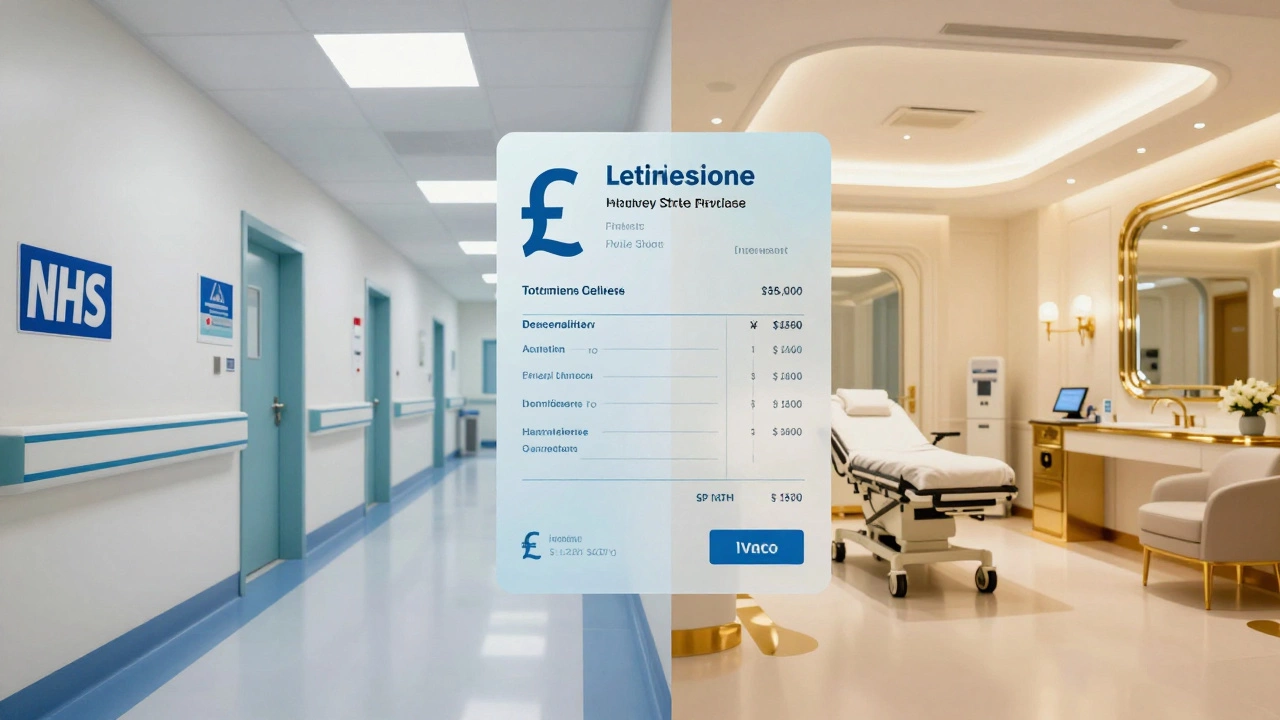
If you're coming from Europe, you have a massive advantage. The GHIC (Global Health Insurance Card) and its predecessor, the EHIC (European Health Insurance Card), allow you to access state-provided healthcare in the UK on the same terms as a UK resident.
This doesn't mean everything is free. For instance, you'll still likely pay for Prescription Costs, which are set at a flat rate per item in England (around £9.90 as of recent updates), while they are free in Scotland and Wales. Furthermore, the GHIC doesn't cover private healthcare or repatriation-the cost of flying you back home in a medical plane. That's why even GHIC holders are advised to carry basic travel insurance.
What Happens if You Don't Have Insurance?
If you arrive without insurance and get sick, you have two choices: the NHS or private care. Private healthcare in the UK is excellent but expensive. You can walk into a private clinic like those found in the Harley Street area for faster service and luxury rooms, but you'll be paying out of pocket for every minute of the doctor's time.
If you choose the NHS and cannot pay the bill, the NHS will still treat you, but they can and will pursue the debt. For some nationalities, this can lead to complications with future visa applications if there are outstanding debts to the government. It's not just about the money; it's about your legal standing for future visits.
Practical Steps to Secure Your Trip
To avoid any stress, follow these practical rules of thumb before you fly:
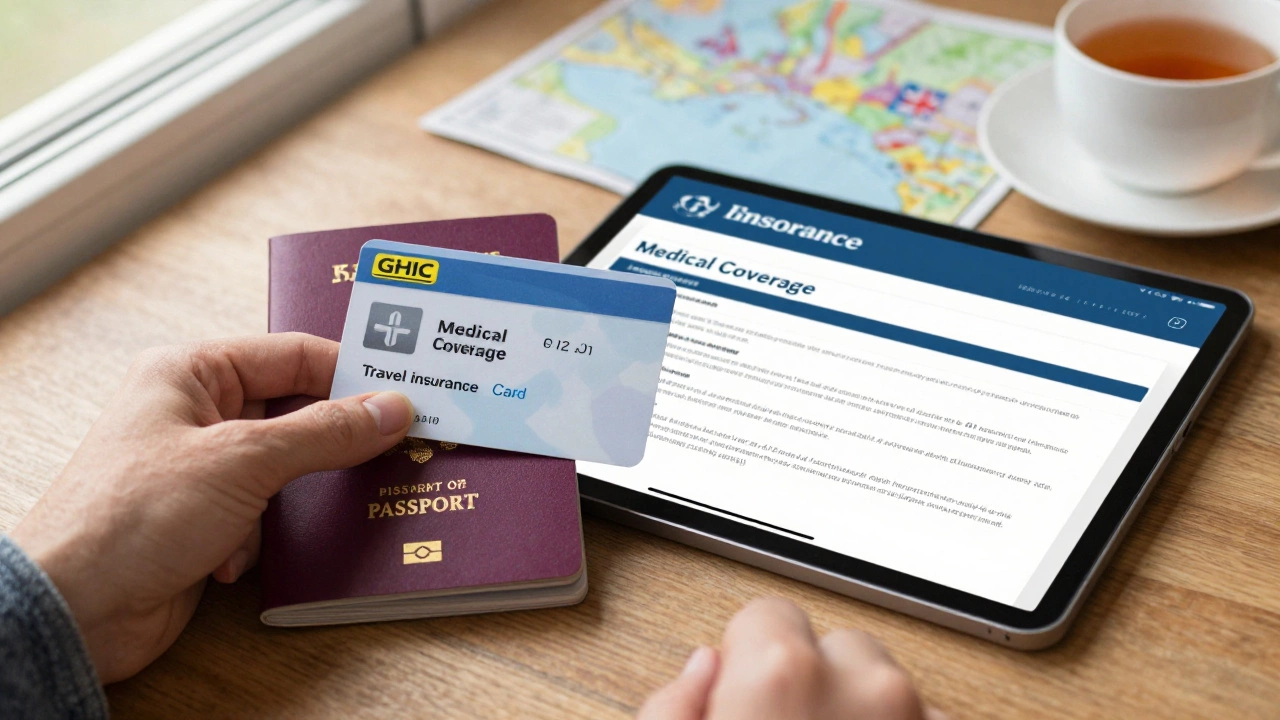
- Check your credit card: Some premium credit cards offer complimentary travel accident and health insurance. Read the fine print to see if it covers international medical expenses in the UK.
- Verify your GHIC/EHIC: If you're an EU citizen, check the expiry date. A lapsed card is just a piece of plastic; it won't get you a discount.
- Declare everything: When buying a policy, list every medication you take. It's better to pay an extra £20 now than to argue over a £5,000 hospital bill later.
- Keep digital copies: Save your policy number and the 24-hour emergency contact line in your phone's notes and email a copy to a family member.
Common Pitfalls to Avoid
The biggest mistake travelers make is assuming that "Emergency Care" means "Free Care." In the US, people are used to the high cost of healthcare, so they are often shocked to find the UK is cheaper but still not free for visitors. Another mistake is relying on a policy that only covers "Medical Evacuation." Evacuation is for getting you out of the country; it doesn't pay for the surgery that makes the evacuation necessary.
Also, be aware of the difference between an A&E and a GP (General Practitioner). If you have a cold or a minor rash, don't go to the hospital. Find a local pharmacy or a walk-in center. Going to A&E for non-emergencies can lead to long wait times and potentially higher administrative charges for non-residents.
Can I use my US health insurance in the UK?
Most US-based domestic insurance plans do not provide coverage outside the United States. However, some high-end plans or employer-provided global plans do. You must call your provider and ask specifically about "international coverage" and whether they have a direct-billing agreement with UK providers. If they don't, you'll have to pay the NHS upfront and claim a reimbursement later, which can take months.
Is the NHS really free for tourists?
No. The NHS is free for UK residents. Tourists are generally charged for treatment. Emergency care is provided regardless of ability to pay, but a bill will be issued afterward. Only those with a GHIC/EHIC or those who have paid the Immigration Health Surcharge (IHS) as part of a long-term visa get free or discounted care.
What is the Immigration Health Surcharge (IHS)?
The IHS is a fee paid by people applying for a visa to live in the UK for more than 6 months (such as students or workers). By paying this upfront, you gain access to the NHS in the same way a UK citizen does. If you are on a standard tourist visa, this does not apply to you.
Do I need a special policy just for the UK?
Not necessarily. A comprehensive worldwide travel insurance policy that includes the UK is sufficient. Just ensure it covers "hospitalization" and "emergency medical expenses." You don't need a separate UK-specific health plan unless you're staying for an extended period.
What should I do if I get sick and don't have insurance?
For minor issues, visit a pharmacy (like Boots or Superdrug) where pharmacists can give basic medical advice and sell over-the-counter medicine. For more serious but non-life-threatening issues, look for an "Urgent Care Center" or a walk-in clinic. If it's a true emergency, go to the A&E. Be prepared to provide your passport and payment details.
Next Steps for Travelers
If you're still unsure, start by reviewing your current insurance policy. Look for the section labeled "Medical Expenses" and check the limit. A limit of £10,000 is usually too low; aim for at least £50,000 to £100,000 to be safe. If you're from the EU, apply for your GHIC immediately, as postal delivery can take a few weeks.
For those planning a long-term stay (over 6 months), skip the travel insurance and look into private health insurance or ensure your visa includes the IHS payment. The peace of mind knowing you won't face a massive bill is worth the small cost of a policy.