Dental Implant Cost Estimator (UK 2026)
Customize Your Treatment Plan
Estimated Total
- Base Treatment: £2,325
- Extras: £225
The reality is that dental implant cost UK is a sliding scale based on where you live and how much prep work your jaw needs. While you might find a deal in a smaller town, London prices often carry a 'city premium' that can push a single implant over £2,500. You aren't just paying for a piece of metal; you're paying for the surgical expertise and the lab work required to match your natural teeth.
Quick Price Breakdown: What You'll Actually Pay
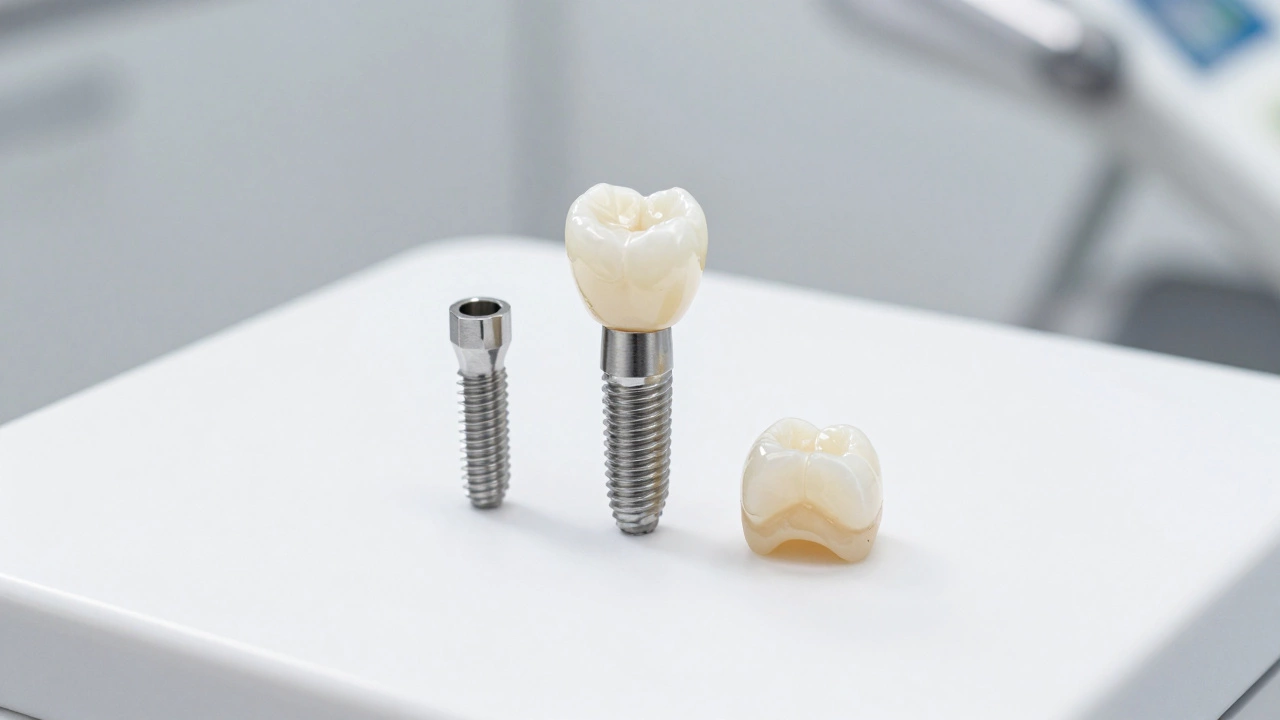
Before we get into the weeds, here is the rough average for 2026. Most private clinics break the cost into three parts: the implant (the screw), the abutment (the connector), and the crown (the tooth you see).
| Component | Estimated Cost (Per Tooth) | What it is |
|---|---|---|
| Implant Screw | £800 - £1,500 | The titanium post fused to the bone |
| Abutment | £300 - £600 | The piece connecting the screw to the crown |
| Crown | £700 - £1,200 | The porcelain tooth cap |
| Total per Tooth | £1,800 - £3,300 | Complete single-tooth replacement |
The 'Hidden' Extras That Inflate the Bill
If you walk into a clinic and they quote you £1,500, don't assume that's your final price. There are several clinical requirements that can add hundreds, or even thousands, to the total. One of the most common is a Bone Graft. If your tooth has been missing for years, your jawbone starts to shrink. An implant needs a solid foundation to grip onto; if the bone is too thin, the dentist has to add synthetic or natural bone material first. This usually adds £400 to £800 to the bill.
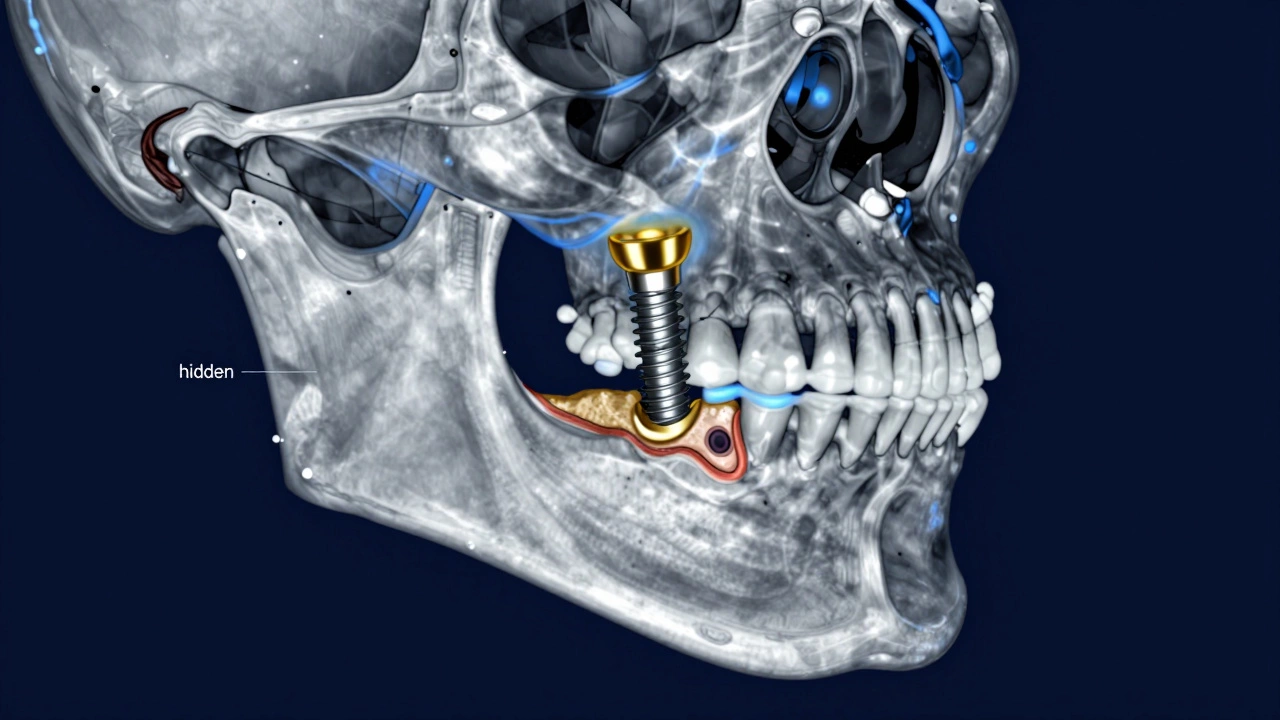
Then there's the Sinus Lift. If you're replacing an upper back tooth, the implant might hit your sinus cavity. A specialist has to physically lift the sinus membrane to create space. This is a more complex surgery and can either be bundled into a high-end package or charged as a separate £500+ fee.
Don't forget the diagnostics. Most clinics will charge for an CBCT Scan (Cone Beam Computed Tomography). Unlike a standard X-ray, this gives a 3D view of your jaw. It's essential for safety-you don't want a screw hitting a nerve-and usually costs between £150 and £300.
Can You Get Implants on the NHS?
This is the question everyone asks, and the answer is usually a disappointing "probably not." The NHS (National Health Service) generally views dental implants as cosmetic rather than essential. This means they won't pay for them unless you have a severe medical need, such as a traumatic injury or a specific congenital condition that makes other options impossible.
If you can't afford the full private cost, your best bet is a Dental Bridge or a partial denture, which the NHS is more likely to cover. However, these don't stop bone loss the way an implant does. If you're determined to go the implant route, look for "Dental Implant Centers" that offer 0% finance plans. Many UK clinics now partner with lenders to spread the cost over 12 to 60 months, making a £2,500 bill feel more like £50 a month.
Comparing Your Options: Implants vs. Bridges vs. Dentures
You might be wondering if the high price tag of an implant is actually worth it compared to cheaper alternatives. It comes down to a trade-off between upfront cost and long-term durability.
| Method | Avg. Cost (UK) | Lifespan | Main Pros | Main Cons |
|---|---|---|---|---|
| Dental Implant | £2,000+ | 25+ years | Feels natural, prevents bone loss | Expensive, requires surgery |
| Dental Bridge | £1,000 - £2,000 | 10-15 years | Faster than implants | Requires filing down healthy teeth |
| Partial Denture | £400 - £1,200 | 5-10 years | Cheapest option | Can slip, must be removed at night |
The Full Process: From Consultation to Final Smile
Knowing the cost is one thing, but knowing how the payments are triggered is another. You won't pay the whole amount on day one. Typically, the process follows this financial and clinical timeline:
- Consultation & Imaging: You'll pay a fee for the initial check-up and CBCT scan. This is where the dentist tells you if you're a candidate.
- Surgical Phase: The Titanium Implant is screwed into the jaw. This is usually the first major payment.
- Osseointegration: This is a waiting period of 3 to 6 months. Your bone literally grows around the screw. You'll likely wear a temporary flipper tooth during this time.
- Crown Fitting: Once the screw is solid, the abutment and final porcelain crown are attached. This is usually when the final balance is settled.

Warning Signs: When a Quote is Too Good to be True
You might see ads for implants at £600 or £800. Be very careful here. In the UK, quality is tied to the materials used and the qualification of the surgeon. Low-cost clinics often use "off-brand" implants that aren't as biocompatible, increasing the risk of the implant failing or your body rejecting it.
Check if the dentist is registered with the General Dental Council (GDC). A qualified implantologist should be able to show you a portfolio of their work and explain exactly which brand of implant they use (such as Straumann or Nobel BiCare). If they can't tell you the brand or the material of the crown, walk away. A failed implant is much more expensive to fix than a high-quality one is to buy initially.
Long-Term Maintenance and Hidden Costs
The cost doesn't stop at the final fitting. To keep an implant for 25 years, you need to treat it better than a natural tooth. You'll need regular check-ups, and if you're a smoker, the risk of Peri-implantitis (gum disease around the implant) is significantly higher. This infection can lead to the implant loosening, which requires expensive corrective surgery.
You'll also need specific hygiene tools. While you can't get a cavity on a titanium screw, the area where the crown meets the gum is a magnet for plaque. Investing in a high-quality electric toothbrush or an interdental brush is a small but necessary ongoing cost to protect your investment.
How long does the dental implant process take?
On average, the full process takes between 3 to 9 months. The surgical placement of the screw is quick, but the "healing phase" (osseointegration) where the bone bonds to the metal typically takes 3 to 6 months before the final crown can be safely attached.
Are dental implants painful?
The surgery is performed under local anesthesia, so you won't feel anything during the procedure. Afterward, most people describe the feeling as a dull ache, similar to a tooth extraction, which is easily managed with over-the-counter painkillers like ibuprofen for a few days.
What happens if a dental implant fails?
Failure occurs when the bone doesn't bond to the implant. If this happens, the implant must be removed. Some clinics offer a "lifetime guarantee" or a free replacement if the implant fails within the first year, so always ask about the warranty before signing a contract.
Can I get a discount through health insurance?
Most standard UK health insurance policies treat implants as cosmetic and don't cover them. However, some premium private dental insurance plans provide a partial contribution or a fixed allowance toward restorative work. Always check your policy's "major dentistry" section.
Do I need a bone graft for every implant?
No, not everyone needs one. A bone graft is only necessary if your jawbone has depleted (resorbed) to the point where there isn't enough depth or width to hold the screw securely. Your dentist will determine this using a CBCT 3D scan.