Chronic Pain Rewiring Progress Tracker
Assess Your Daily Habits
Select all strategies you are currently practicing consistently (at least 3-4 times a week).
Estimated Impact
Start Your Journey
Select your habits above to see how they contribute to rewiring your brain and reducing chronic pain signals.
Does your pain feel louder than it should? You have an MRI that shows mild wear and tear, yet the sensation in your back or knee feels like a nine out of ten. This disconnect is not in your head-it is in your brain’s wiring. The good news is that because your nervous system can change, you can teach it to stop amplifying signals that no longer serve you.
Rewiring your brain to reduce pain isn’t about ignoring suffering or pretending everything is fine. It is about using neuroplasticity-the brain’s ability to reorganize itself-to lower the volume on chronic pain. This process takes time, consistency, and a shift in how you view your body. Here is how you start.
Understanding Neuroplasticity in Pain
Think of your nervous system like a forest path. Every time you walk it, the path gets clearer and easier to travel. If you walk the same path every day (experiencing pain), it becomes a highway. To rewire your brain, you need to stop walking that old path and start creating new trails. This requires consistent effort to build new neural connections that signal safety rather than threat.
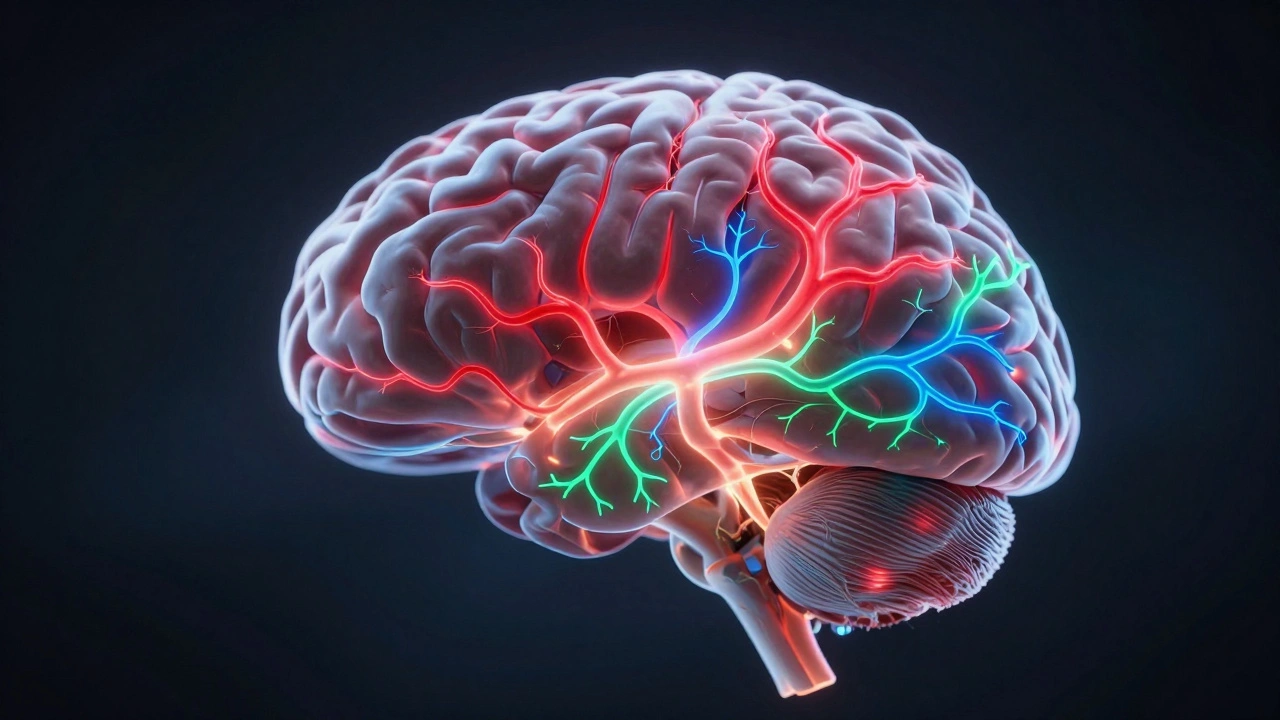
Research from the University of Washington shows that people with chronic pain often have enlarged areas in the brain associated with pain processing. However, studies also demonstrate that targeted interventions can shrink these areas and reduce pain intensity. Your brain is not fixed; it is adaptable.
Pain Neuroscience Education: Changing Your Beliefs
The first step in rewiring is understanding what pain actually is. Most people believe pain equals tissue damage. When you hurt, something must be broken. But in chronic pain, this equation breaks down. Pain is an output generated by the brain based on perceived threat, not just an input from damaged tissue.
Pain Neuroscience Education (PNE) is a therapeutic approach that teaches patients about the biological mechanisms of pain to reduce fear and catastrophizing. By learning that your pain is a false alarm rather than evidence of ongoing harm, you reduce the threat level your brain assigns to sensations. Lower threat means less pain amplification.
- Learn that pain is a protective mechanism, not a measure of damage.
- Understand that stress, sleep loss, and anxiety can sensitize your nervous system.
- Recognize that movement is generally safe, even if it causes discomfort.
This knowledge alone can reduce pain scores by 30-40% in some clinical trials. It changes the narrative from "I am breaking" to "My alarm system is overly sensitive."
Movement as Medicine: Graded Exposure
Avoiding movement because it hurts creates a vicious cycle. Inactivity weakens muscles, reduces blood flow, and increases stiffness, which leads to more pain. To break this cycle, you need graded exposure. This means gradually increasing activity levels in a controlled way.
- Start with movements that cause minimal discomfort (1-2/10).
- Repeat these movements daily to build confidence and tolerance.
- Slowly increase duration or intensity as your body adapts.
- Celebrate small wins to reinforce positive neural pathways.
Physical therapy plays a crucial role here. A skilled therapist can design a program that challenges you without overwhelming your nervous system. The goal is not to push through pain but to show your brain that movement is safe. Over time, this reduces fear-avoidance behaviors and restores function.
Consider yoga or tai chi. These practices combine gentle movement with mindfulness, addressing both physical and psychological aspects of pain. Studies show that regular practice can improve flexibility, reduce stress, and decrease pain intensity.

Mindfulness and Meditation: Calming the Alarm
Your brain interprets stress as danger. When you are anxious or overwhelmed, your nervous system stays in fight-or-flight mode, lowering your pain threshold. Mindfulness meditation helps you step out of this reactive state and into a calm, observant one.
You don’t need to sit cross-legged for hours. Start with five minutes a day. Focus on your breath. Notice sensations in your body without labeling them as good or bad. If pain arises, observe it with curiosity rather than resistance. This shifts your relationship with pain from enemy to neutral sensation.
Brain imaging studies reveal that regular meditators have thicker prefrontal cortices-the area responsible for regulating emotions and attention. This structural change enhances your ability to modulate pain responses. Apps like Headspace or Calm offer guided sessions specifically designed for pain management.
Cognitive Behavioral Therapy: Reframing Thoughts
How you think about pain affects how much it hurts. Catastrophic thoughts like "This will never end" or "I’m ruined" amplify pain signals. Cognitive Behavioral Therapy (CBT) helps you identify and challenge these unhelpful patterns.
In CBT for chronic pain, you learn to:
- Identify automatic negative thoughts triggered by pain.
- Question the evidence for these thoughts.
- Replace them with balanced, realistic alternatives.
- Develop coping strategies for flare-ups.
For example, instead of thinking "I can’t do anything," you might reframe it as "I can do some things, and that’s progress." This subtle shift reduces emotional distress and lowers pain intensity. Many therapists now offer online CBT programs, making access easier than ever.

Sleep and Stress Management: Foundational Healing
Poor sleep and high stress are fuel for chronic pain. They keep your nervous system sensitized and make pain feel worse. Prioritizing sleep hygiene and stress reduction is non-negotiable for rewiring your brain.
| Strategy | Action Steps | Impact on Pain |
|---|---|---|
| Sleep Hygiene | Keep a consistent bedtime, avoid screens before bed, create a cool/dark environment | Reduces inflammation and improves pain threshold |
| Stress Reduction | Practice deep breathing, engage in hobbies, set boundaries | Lowers cortisol levels and decreases muscle tension |
| Nutrition | Eat anti-inflammatory foods (omega-3s, leafy greens), stay hydrated | Supports nerve health and reduces systemic inflammation |
If you struggle with insomnia, consider speaking to a doctor about short-term aids or cognitive behavioral therapy for insomnia (CBT-I). Chronic stress can be managed through techniques like progressive muscle relaxation or journaling. Small changes in these areas compound over time, creating a foundation for lasting pain relief.
Building a Support System
Rewiring your brain doesn’t happen in isolation. Social support buffers against pain and improves outcomes. Connect with others who understand your journey. Join a chronic pain support group, either in person or online. Sharing experiences reduces isolation and provides practical tips.
Communicate openly with loved ones. Explain that your pain is real but manageable. Ask for specific help, like assistance with chores during flare-ups. Having a team around you makes the journey less daunting.
Patience and Persistence: The Long Game
Change takes time. You won’t wake up one day pain-free. Progress is often non-linear. Some days will be better than others. Flare-ups may occur. This is normal. What matters is consistency. Keep showing up for yourself, even when motivation wanes.
Track your progress. Use a pain diary to note activities, mood, sleep, and pain levels. Over weeks and months, patterns emerge. You’ll see improvements in function and well-being, even if pain numbers fluctuate. Celebrate these victories. They prove that rewiring works.
How long does it take to rewire the brain for pain?
There is no fixed timeline. Some people notice changes in a few weeks, while others take several months. Consistency is key. The brain needs repeated positive experiences to form new pathways. Be patient with yourself and focus on gradual progress rather than quick fixes.
Can neuroplasticity cure chronic pain completely?
While complete elimination of pain is possible for some, many people achieve significant reduction and improved function. The goal is to regain control and quality of life, not necessarily zero pain. Even a 30-50% reduction can transform your daily living.
Is medication necessary for rewiring the brain?
Medication can be helpful for managing acute flare-ups or underlying conditions, but it is not required for neuroplastic changes. Non-pharmacological approaches like PNE, CBT, and movement are foundational. Always consult your doctor before changing any medication regimen.
What if I have tried everything and nothing works?
It is common to feel discouraged. Consider seeking a second opinion from a specialist in pain management or rehabilitation medicine. Sometimes, a different perspective or combination of therapies can unlock progress. Never give up hope; new treatments and insights are emerging regularly.
Are there risks associated with trying to rewire my brain?
The main risk is pushing too hard too fast, which can trigger flare-ups. Work with healthcare professionals to ensure your approach is safe and tailored to your needs. Listen to your body and adjust accordingly. Mental health support is also important if anxiety or depression accompanies your pain.