
Medical Website Trust Score Calculator
Check each criterion that applies to the medical website you are evaluating. Each factor contributes to an overall trust score.
Your Trust Score
Score Breakdown:
Maximum possible score: 100 points
It starts with a headache that won't go away or a rash you can't identify. You reach for your phone, type in your symptoms, and suddenly you're convinced you have a rare tropical disease. Sound familiar? We've all been there. The internet is full of health advice, but not all of it is created equal. In fact, some of it can be dangerously wrong.
Finding the most trusted medical website isn't just about avoiding scare tactics; it's about getting accurate information that helps you make smart decisions about your body. Whether you are preparing for an online doctor consultation or just trying to understand a new diagnosis, knowing where to look saves time, reduces anxiety, and keeps you safe.
Why Trust Matters More Than Ever
Before we list the best sites, let's talk about why "trust" is such a big deal in digital health. Unlike buying a toaster, where a bad review just means a refund, bad health advice can lead to delayed treatment, unnecessary panic, or even physical harm.
The problem is that search engines often prioritize popularity over accuracy. A blog post written by someone with no medical degree might rank higher than a peer-reviewed study simply because it has more backlinks or catchy headlines. This is why you need to know what to look for when evaluating a source. It’s not enough to just click the first link.
When you visit a site for an online doctor consultation, you want to ensure the platform partners with verified professionals. Similarly, when reading articles, you want to ensure the authors are qualified. The gap between professional medical advice and internet noise is wide, and bridging it requires knowing which bridges are sturdy.
The Gold Standard: How to Spot a Reliable Site
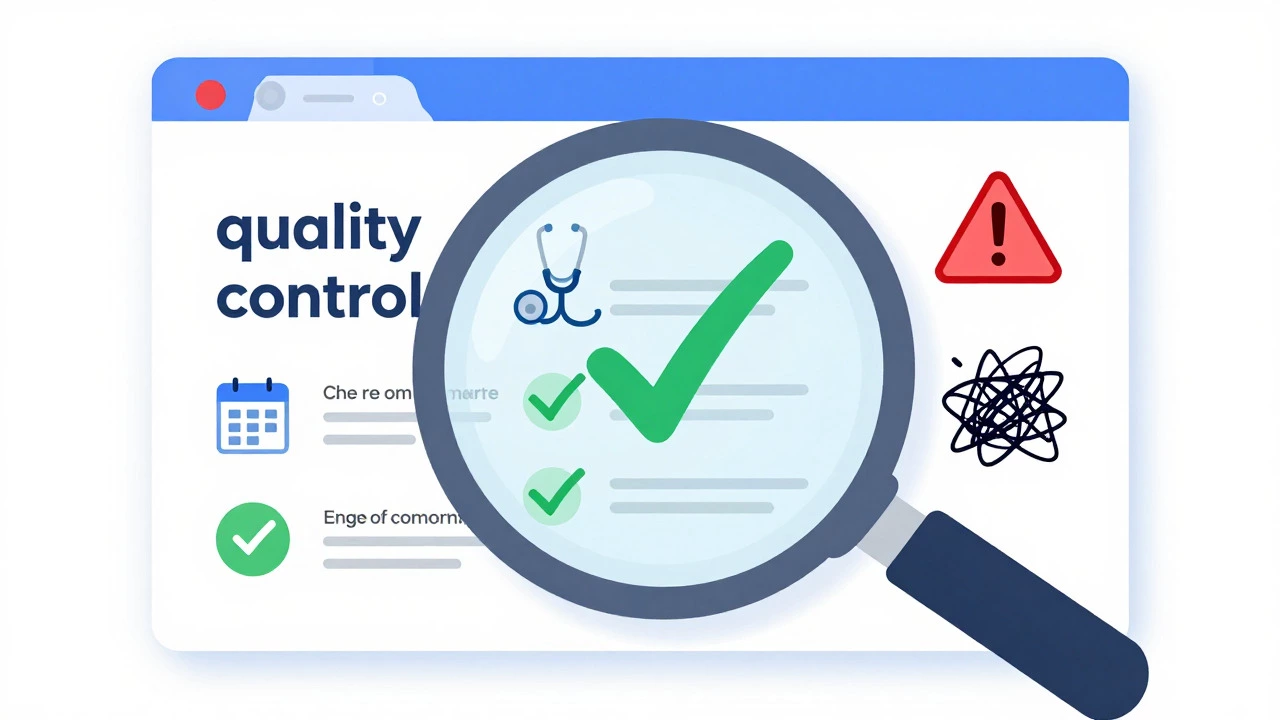
You don't need a degree in medicine to spot a credible health website. There are clear red flags and green lights that any reader can check in under thirty seconds. Think of these as your personal quality control checklist.
- Author Credentials: Look for names followed by MD, DO, NP (Nurse Practitioner), or PhD. If the article is written by "Health Team" or "Anonymous," be skeptical. Real experts put their names on their work.
- Last Updated Date: Medicine changes fast. An article from 2015 about flu treatments might be outdated. Look for a "Last Reviewed" date within the last two years. If there is no date at all, treat the information with caution.
- Citations and References: Trusted sites link to primary sources like the Centers for Disease Control and Prevention (CDC), the World Health Organization (WHO), or peer-reviewed journals. They show their homework. If a site makes bold claims without citing evidence, it’s likely selling something rather than informing you.
- Clear Distinction Between Content and Ads: Be wary if the article reads like a sales pitch for a specific supplement or clinic. Good health sites clearly label sponsored content and keep editorial advice separate from advertising.
- Mission Statement: Legitimate organizations usually state their mission clearly. Are they non-profit? Government-funded? Academic? Knowing who pays the bills tells you a lot about their bias.
If a site checks all these boxes, you’re likely in good hands. If it fails two or more, keep scrolling.
Top Tier: The Most Trusted Medical Websites
So, which sites actually meet this high bar? Here are the heavy hitters that consistently provide accurate, unbiased, and up-to-date information. These are the places I recommend bookmarking immediately.
| Website | Type / Origin | Best For | Key Strength |
|---|---|---|---|
| Mayo Clinic | Non-profit Academic Medical Center | Comprehensive disease info, symptom checkers | Extremely detailed, easy-to-understand explanations written by doctors. |
| WebMD | Commercial Health Information Platform | Quick symptom checks, drug interactions | Huge database of drugs and conditions; very user-friendly interface. |
| NHS Website | Government (UK) | Evidence-based guidelines, public health advice | No commercial bias; strictly follows national clinical guidelines. |
| MedlinePlus | Government (US National Library of Medicine) | In-depth research, government health resources | Curated by librarians and scientists; links to original studies. |
| Cleveland Clinic | Academic Medical Center | Heart health, complex procedures | World-class expertise in cardiology and surgical procedures. |
Mayo Clinic
When people ask for the most trusted medical website, Mayo Clinic is almost always the first name mentioned. And for good reason. As one of the largest and most respected nonprofit medical practice and research groups in the world, their website is a goldmine of accurate information.
What makes Mayo Clinic stand out is its clarity. They take complex medical jargon and translate it into plain English without dumbing it down. Their "Diseases and Conditions" section is incredibly thorough, covering everything from common colds to rare genetic disorders. Each article is reviewed by multiple physicians, ensuring that the advice is consistent with current medical standards. If you want to understand what a specific condition feels like, how it’s diagnosed, and what treatments are available, start here.
WebMD
WebMD gets a lot of flak for being too alarmist-remember the old joke, "If you check WebMD, you have cancer"? While that stereotype exists, WebMD has improved significantly over the years. It remains one of the most comprehensive databases for drug information and symptom checking.
The real value of WebMD lies in its practicality. Need to know if two medications interact? WebMD’s drug interaction checker is fast and reliable. Want to see side effects listed clearly? They’ve got that covered. Just remember to use their symptom checker as a starting point, not a final diagnosis. It’s designed to help you prepare for a conversation with your doctor, not replace one.
NHS Website
If you live in the UK or prefer a system free from pharmaceutical advertising, the NHS Website is unbeatable. The National Health Service provides information based strictly on clinical guidelines used by doctors across the country. There is no agenda to sell you supplements or promote private clinics.
The NHS site is particularly strong on public health topics, vaccination schedules, and mental health support. Their tone is calm, factual, and reassuring. For parents looking for pediatric advice or older adults managing chronic conditions, the NHS offers structured, step-by-step guidance that aligns directly with what your GP would tell you.
MedlinePlus
Run by the U.S. National Library of Medicine, MedlinePlus is the backbone of many other health websites. It doesn’t try to be flashy; it tries to be accurate. MedlinePlus aggregates information from government agencies, academic institutions, and patient advocacy groups.
This site is ideal for those who want to dig deeper. It provides links to original research papers, clinical trials, and educational videos. If you are a student, a caregiver, or just someone who likes to read the source material, MedlinePlus is your best friend. It’s less about quick answers and more about comprehensive understanding.
Cleveland Clinic
Similar to Mayo Clinic, the Cleveland Clinic website leverages its status as a top-ranked hospital to provide high-quality content. They are especially renowned for heart health, but their coverage extends to neurology, oncology, and orthopedics.
Cleveland Clinic excels at explaining procedures. If you are facing surgery or a complex diagnostic test, their articles walk you through what to expect before, during, and after. This reduces the fear of the unknown, which is a huge part of the patient experience.
Connecting Online Info to Online Doctor Consultations
Reading about your symptoms is only half the battle. The next step is often talking to a professional. This is where online doctor consultation platforms come into play. But not all telehealth services are equal.
Just as you vet health websites, you must vet telehealth providers. A trusted online doctor service will require you to create a profile, upload relevant medical history, and connect you with a licensed physician in your jurisdiction. They should offer secure, HIPAA-compliant (or GDPR-compliant in Europe) video or chat sessions.
Using information from trusted sites like Mayo Clinic or the NHS can make your online consultation much more effective. Instead of saying, "I feel weird," you can say, "I’ve been experiencing sharp pain in my lower abdomen for three days, accompanied by nausea. I read on Mayo Clinic that this could be related to gallstones. Is that possible?" Doctors appreciate patients who come prepared with specific, well-researched questions. It speeds up the diagnostic process and leads to better care.
Red Flags: Sites to Avoid
While we’ve highlighted the good guys, it’s equally important to know who to avoid. Here are the types of sites that should raise immediate alarms:
- Supplement Sales Pages Disguised as Articles: If every paragraph ends with a link to buy a "miracle cure," close the tab. These sites profit from your fear, not your health.
- Forums Without Moderation: Reddit and Facebook groups can be supportive communities, but they are not medical advice. One person’s anecdote is not data. Use forums for emotional support, not diagnosis.
- Sites Promoting "Secret" Cures: If a website claims that doctors are hiding the truth about a simple cure for diabetes or cancer, it is lying. Mainstream medicine evolves slowly because it relies on rigorous testing. "Secret" cures usually mean untested and unsafe.
- Outdated Blogs: Personal blogs can be insightful, but if they haven’t been updated in five years, the medical consensus may have shifted. Always cross-reference with a major institution.

How to Verify Information Quickly
You don’t have to spend hours researching. Here is a quick three-step verification method you can use anytime:
- Check the URL: Does it end in .gov, .edu, or .org? These are generally more trustworthy than .com domains, though not exclusively. Look for recognizable brand names like mayo.edu or nhs.uk.
- Look for the "About Us" Page: Who runs the site? Are they affiliated with a university, hospital, or government agency? Transparency is key.
- Cross-Reference: If a site says something surprising, check it against another trusted source. If Mayo Clinic, the CDC, and the WHO all say the same thing, you can trust it. If only one obscure blog says it, doubt it.
Making the Most of Your Research
Your goal in visiting these sites shouldn't be to become your own doctor. That path leads to misdiagnosis and anxiety. Your goal is to become an informed partner in your healthcare. When you understand the terminology, the potential causes, and the standard treatments, you can ask better questions.
Whether you are booking an online doctor consultation or preparing for a visit to your local clinic, coming armed with facts from trusted sources empowers you. It shifts the dynamic from passive patient to active participant. And in the world of health, that shift can make all the difference.
Remember, the internet is a tool, not a oracle. Use the right tools-the ones backed by science, transparency, and expertise-and you’ll navigate your health journey with confidence and clarity.
Is WebMD still considered reliable?
Yes, WebMD is considered reliable for general health information, drug interactions, and symptom checking. However, it is a commercial entity, so be aware of advertisements. Always verify serious diagnoses with a healthcare provider.
Which website is best for checking medication side effects?
WebMD and Drugs.com are excellent for checking medication side effects and interactions. Both sites maintain extensive, regularly updated databases of pharmaceutical information reviewed by pharmacists.
Are government health websites (.gov) always accurate?
Generally, yes. Websites ending in .gov, such as the CDC or NIH, are run by government agencies and rely on peer-reviewed science. They are among the most trusted sources for public health data and guidelines.
Can I diagnose myself using online medical websites?
No, you should not diagnose yourself. Online sites are educational tools. Symptoms can overlap between many conditions. Always consult a licensed healthcare professional for a proper diagnosis and treatment plan.
What is the difference between Mayo Clinic and Cleveland Clinic websites?
Both are highly trusted academic medical centers. Mayo Clinic is known for its comprehensive, easy-to-read encyclopedic approach to diseases. Cleveland Clinic is particularly renowned for its detailed explanations of surgical procedures and heart health.
How do I know if an online doctor consultation is legitimate?
A legitimate online doctor consultation service will require you to verify your identity, provide a medical history, and connect you with a licensed physician in your state or country. Check for security certifications like HIPAA compliance.