Debbie Ellis Health Hub
  • NHS Waitlist
  • Private NHS Room
  • Plastic Surgery Europe
  • BBL Trends
Debbie Ellis Health Hub
  • NHS Waitlist
  • Private NHS Room
  • Plastic Surgery Europe
  • BBL Trends

Oral Hygiene: Simple Steps for a Healthy Mouth

Good oral hygiene isn’t a luxury – it’s a daily habit that saves you money, pain, and trips to the dentist. Whether you’re brushing twice a day or looking after a fresh dental implant, the basics stay the same: keep plaque away, stay fresh, and give your teeth the care they deserve.

Everyday Brushing Basics

Pick a soft‑bristled toothbrush and replace it every three months. Use a pea‑size amount of fluoride toothpaste. Brush for at least two minutes, covering every surface – front, back, and chewing surfaces. Don’t forget the gum line; that’s where plaque loves to hide. A timer on your phone works wonders if you lose track.

Special Care for Implants, Dentures, and Braces

If you have implants, treat them like natural teeth but be extra gentle around the abutment. Use an implant‑safe brush and avoid harsh mouthwashes with alcohol. Denture wearers should clean their prosthesis daily with a soft brush and a denture cleanser, then rinse well before wearing. Braces need a child‑size brush to reach between wires, and floss threaders make cleaning easier.

Flossing once a day removes the bits your brush can’t reach. If traditional floss feels tough, try a water flosser – it’s quick and effective, especially with braces or implants. The goal is to break up the plaque film before it hardens into tartar.

Mouthwash can be a helpful boost, but choose an alcohol‑free formula with fluoride. Swish for 30 seconds after brushing and flossing, then spit it out. Don’t use mouthwash as a replacement for brushing – it’s a supplement, not a substitute.

Your diet plays a big role too. Sugary drinks and sticky snacks feed bacteria that cause decay. Reach for water, cheese, raw veggies, and nuts when you can. If you do indulge, brush or at least rinse your mouth afterward to limit the acid attack.

Regular dental visits are non‑negotiable. A professional cleaning removes tartar that home care can’t. Your dentist can spot early signs of gum disease, cavities, or implant issues before they become painful problems.

Common mistakes people make include aggressive brushing, which wears enamel, and skipping floss because it feels like a hassle. Another pitfall is using a hard‑bristled brush – it can damage gums and even loosen an implant. Keep your routine gentle and consistent.

Quick oral‑hygiene checklist: brush twice, floss once, use fluoride mouthwash, replace brush every three months, drink water, and book a dental check‑up twice a year. Follow these steps and your mouth will thank you with a brighter smile and fewer trips to the dentist.
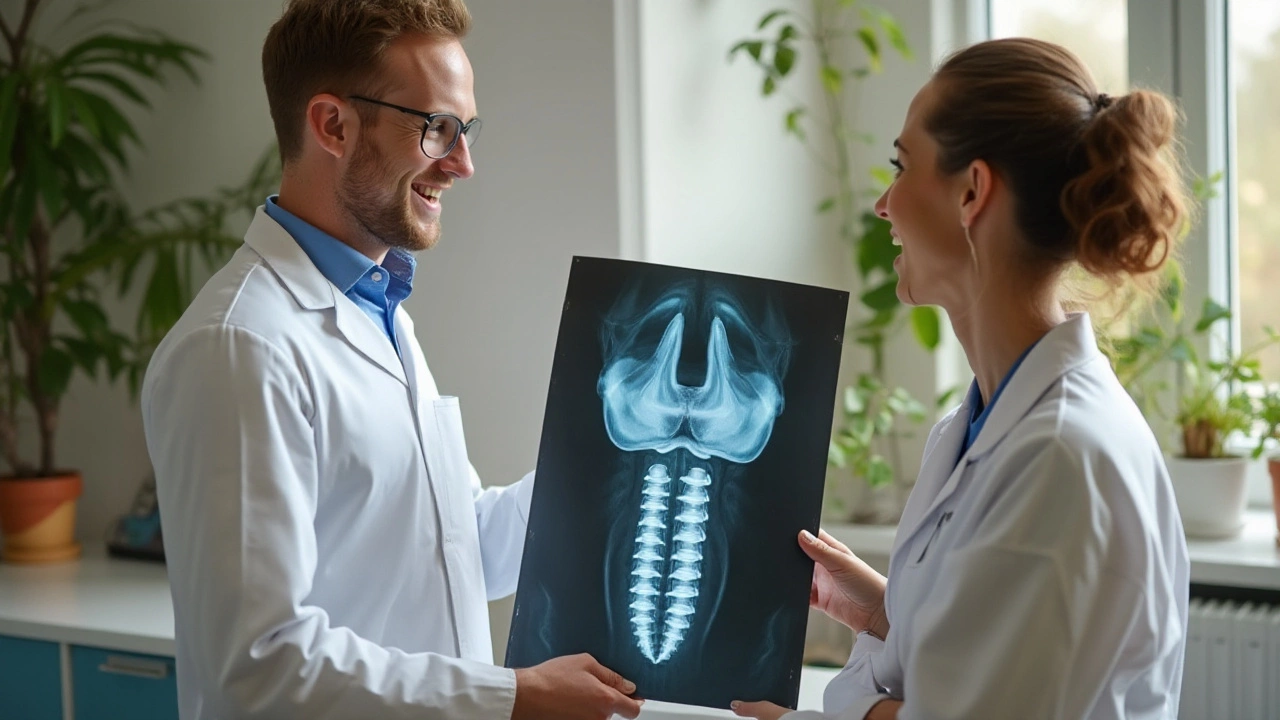

Dental Implants: Do You Need to Remove Them Nightly?
25.01.2025

Dental Implants: Do You Need to Remove Them Nightly?

Dental implants have become a popular choice for replacing missing teeth. Unlike dentures, they are a permanent solution that integrates with your jawbone. There's a common misconception that they need to be removed nightly, like dentures. This article explores the nature of dental implants, debunking myths and highlighting the advantages of this advanced oral technology. Learn how to care for your dental implants and the benefits they offer to your oral hygiene routine.
Maeve Ashcroft
by Maeve Ashcroft
  • Health and Wellness
  • 0

Popular posts

Strongest Pain Relief for Nerve Pain: Medications, Treatments, and What Actually Works
10.05.2026
Strongest Pain Relief for Nerve Pain: Medications, Treatments, and What Actually Works
What Don't They Tell You About Dental Implants? The Hidden Costs, Risks & UK Truths
11.05.2026
What Don't They Tell You About Dental Implants? The Hidden Costs, Risks & UK Truths
Why Would Someone Need a Physio? Signs You Should Book an Appointment
3.05.2026
Why Would Someone Need a Physio? Signs You Should Book an Appointment
Hardest Surgeries to Recover From: Pain, Risks, and Private Costs in Ireland
4.05.2026
Hardest Surgeries to Recover From: Pain, Risks, and Private Costs in Ireland
How Painful Are Dental Implants in the UK? A Realistic Guide to Recovery
7.05.2026
How Painful Are Dental Implants in the UK? A Realistic Guide to Recovery

Categories

  • Private Healthcare
  • Healthcare Insurance
  • Health and Wellness
  • Chronic Pain
  • Cosmetic Surgery
  • Dental Care
  • Online Doctor Consultation
  • Prescription Costs
  • Mental Health
  • Fertility Treatment

Latest posts

Is Medicare Free at Age 65? The Real Deal on Prescription Costs
What Are the Most Expensive Medical Procedures Without Insurance?
Who Should Not Get Dental Implants? Major Reasons & Risks Explained
Why You Really Need a GP: Benefits of Seeing a General Practitioner
What is the safest country for facelifts? Top destinations for cosmetic surgery in 2026

Archives

  • May 2026
  • April 2026
  • March 2026
  • February 2026
  • January 2026
  • December 2025
  • November 2025
  • October 2025
  • September 2025
  • August 2025
  • July 2025
  • June 2025
Debbie Ellis Health Hub

Menu

  • About Us
  • Terms of Service
  • Contact Us
  • Privacy Policy
  • UK GDPR
© 2026. All rights reserved.