Dental Implant Risk & Cost Estimator
Use this tool to estimate the financial commitment and identify potential risk factors before consulting a specialist.
Additional Procedures
Health & Lifestyle Factors
Estimated Total Cost
£0
*Includes base procedure + selected extras. Excludes financing interest.
Risk Assessment
You’ve seen the ads. You’ve heard your dentist talk about them like they’re the golden ticket to a perfect smile. Dental implants are often pitched as the ultimate solution for missing teeth-permanent, natural-looking, and durable. But here’s the thing nobody puts in bold on the brochure: they aren’t magic. They’re surgery. And like any major medical intervention, they come with a baggage list that can range from annoying inconveniences to serious health complications.
If you’re weighing up whether to go under the knife (or drill) in the UK this year, you need to look past the glossy before-and-after photos. The reality involves months of healing, potential nerve damage, and a price tag that might make your wallet wince. Let’s break down the actual downsides so you can decide if the trade-off is worth it for you.
The Financial Hit Is Real
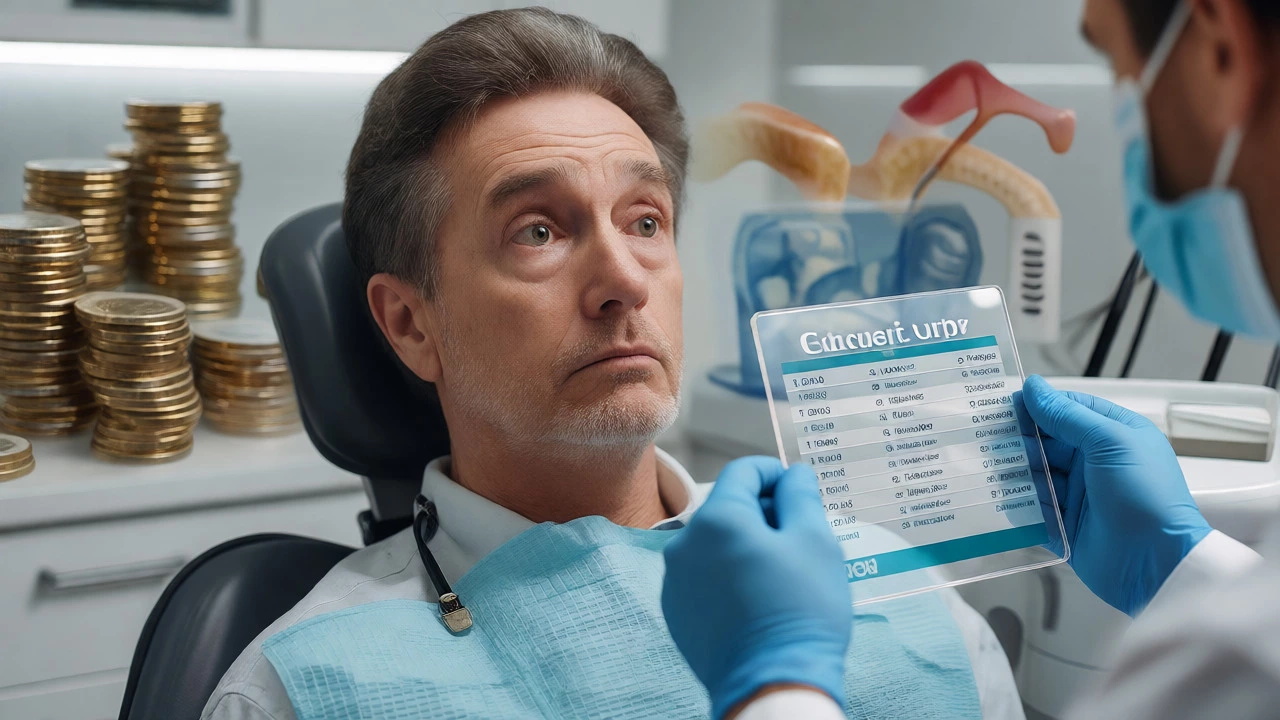
Let’s start with the elephant in the room: money. In the UK, dental care is a mixed bag of NHS provision and private costs. If you qualify for NHS treatment, you might get a partial denture or bridge for a fraction of the cost, but true implants are rarely covered unless you have specific clinical needs that meet strict criteria. For most people, implants are a private affair.
A single titanium implant can set you back between £2,000 and £3,500 in London, while prices in Dublin or rural Ireland might hover around €1,800 to €2,500. That’s just for one tooth. If you need multiple implants or full-arch solutions, we’re talking tens of thousands. And that’s not even counting the hidden extras.
- Bone Grafts: If your jawbone has shrunk due to tooth loss, you’ll likely need a graft before the implant can be placed. This adds £500-£1,500 per site.
- Sinus Lifts: For upper teeth, lifting the sinus floor to create space can add another £1,000+.
- Temporary Teeth: You won’t walk out with a permanent crown immediately. Temporary crowns or dentures during the healing phase cost extra.
- Maintenance: Unlike natural teeth, implants don’t decay, but they do get gum disease. Specialized cleaning tools and more frequent check-ups add ongoing costs.
Is it cheaper long-term? Maybe. A bridge lasts 10-15 years; an implant can last a lifetime if cared for. But the upfront cash flow shock is real. Do you have the savings, or will you need financing? Interest rates on dental loans can creep up, turning a £3,000 procedure into a £4,000 commitment over time.
It’s Surgery, Not Just Dentistry
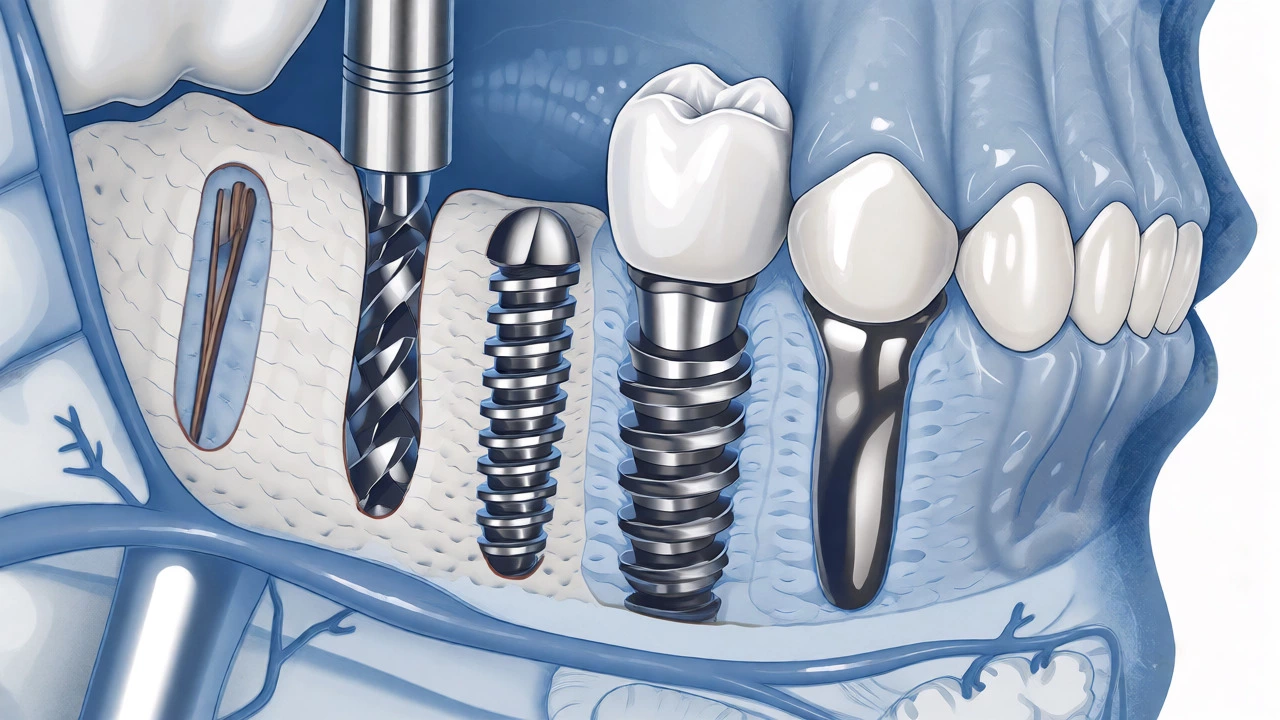
We tend to think of dentists as people who fix cavities. But placing an implant is oral surgery. It involves cutting into your gums, drilling into your jawbone, and screwing a titanium post into place. Your body doesn’t know you want a nice smile; it knows you’ve been injured.
This means recovery isn’t instant. Expect swelling, bruising, and discomfort for at least a week. Some patients report feeling "off" for weeks as their body adjusts. If you have a high pain threshold, you might handle it fine. If you’re anxious about needles or blood, this process can be mentally draining.
And then there’s the timeline. An implant isn’t done in one visit. Here’s the typical schedule:
- Consultation & Scans: CT scans to check bone density.
- Extraction/Grafting: Removing old roots or adding bone material. Healing takes 3-6 months.
- Implant Placement: The screw goes in. Healing (osseointegration) takes another 3-6 months.
- Abutment & Crown: Finally, the visible tooth is attached.
That’s six months to a year of appointments, temporary teeth, and dietary restrictions. Can you commit to that? If you’re busy, traveling, or hate waiting rooms, the slow pace is a genuine downside.
Risk of Failure and Complications
Dental implants have a high success rate-around 95% according to long-term studies-but that means 5% fail. What does failure look like?
Osseointegration failure happens when the bone doesn’t fuse with the titanium. The implant stays loose and eventually falls out or must be removed. This is more common in smokers, diabetics, or those with poor oral hygiene. Smoking reduces blood flow to the gums, doubling the risk of failure. If you smoke, be honest with your surgeon. They might refuse to operate until you quit.
Peri-implantitis is the silent killer. It’s gum disease around the implant. Because implants lack the periodontal ligament that natural teeth have, infection can spread faster and deeper into the bone. Once bone loss starts, it’s hard to reverse. Symptoms include bleeding gums, bad breath, and pus. Prevention requires meticulous flossing and professional cleanings, which many people neglect once the novelty wears off.
| Issue | Dental Implant Risk | Natural Tooth Equivalent |
|---|---|---|
| Infection | Peri-implantitis (harder to treat) | Gingivitis/Periodontitis |
| Structural Damage | Screw loosening or fracture | Tooth crack or decay |
| Nerve Injury | Paresthesia (numbness) in lip/chin | Rare (usually from extraction) |
| Rejection | Body rejects titanium (rare) | N/A |
Nerve Damage and Sinus Problems
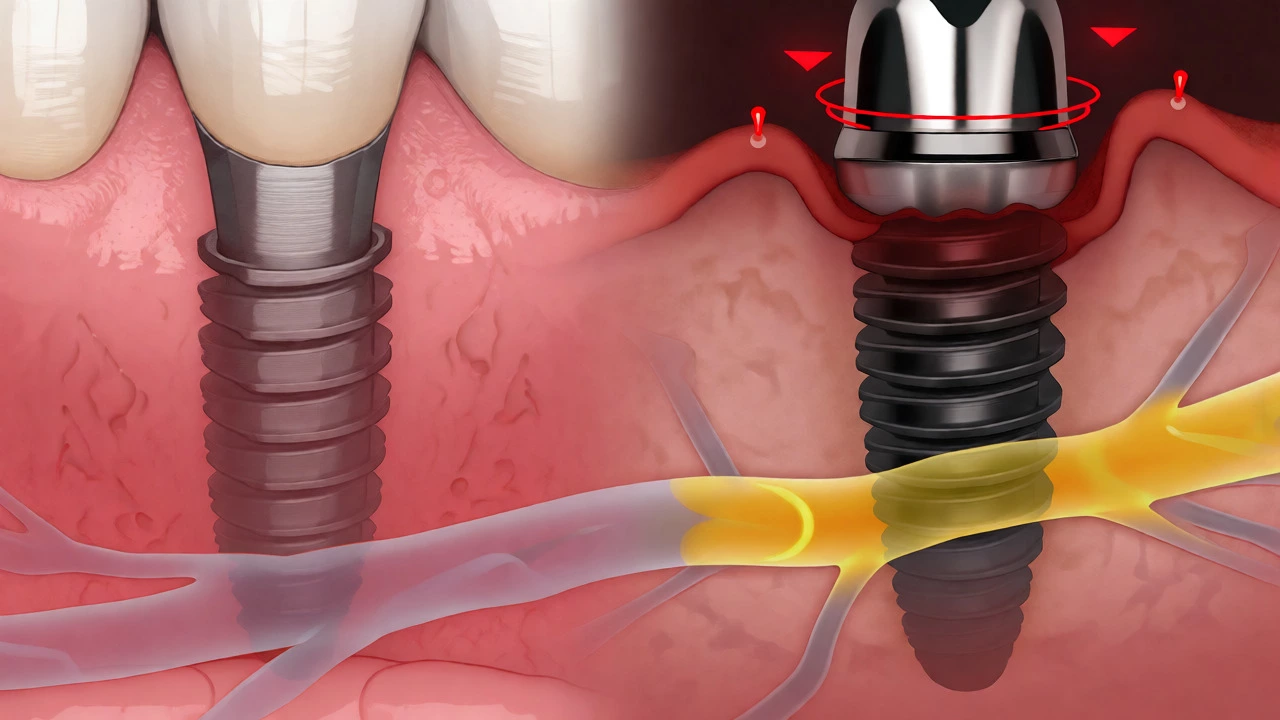
Your lower jaw contains the inferior alveolar nerve, which supplies sensation to your lower lip, chin, and teeth. If an implant is placed too deep or angled incorrectly, it can pinch or sever this nerve. The result? Numbness or tingling (paresthesia). Usually, it’s temporary, fading in weeks or months. But in rare cases, it’s permanent. Imagine losing feeling in half your lower lip forever. It sounds dramatic, but it’s a documented risk.
For upper teeth, the maxillary sinuses sit right above your molars. Thin bone here increases the risk of pushing an implant into the sinus cavity. This can cause chronic sinusitis-a persistent congestion, pressure, and headache that feels like a cold that never ends. Fixing it might require additional surgery to remove the implant and repair the sinus membrane.
Not Everyone Is a Candidate
You might be healthy, but still not eligible. Certain conditions raise red flags:
- Osteoporosis medications: Bisphosphonates (used for bone density) can impair bone healing, leading to osteonecrosis (bone death).
- Uncontrolled Diabetes: High blood sugar slows healing and increases infection risk.
- Active Gum Disease: You must resolve existing periodontal issues first. Placing an implant in infected tissue is like building a house on quicksand.
- Bruxism: Grinding your teeth at night puts excessive force on implants, risking mechanical failure.
If you fall into these categories, your dentist might recommend alternatives like bridges or dentures instead. Don’t feel pressured to push for an implant if your biology says no.
Aesthetic Mismatches
Implants aim to look natural, but perfection is elusive. The gum line around an implant may recede over time, exposing the metal collar or creating a black triangle between teeth. Natural teeth have a slight movement; implants are rigid. This difference can affect how they feel when biting or chewing. Some patients report a "foreign" sensation that takes months to adjust to.
Also, color matching is tricky. Porcelain crowns fade differently than natural teeth. If your other teeth whiten naturally with age, your implant might stand out as too white or too yellow. Maintaining aesthetic harmony requires skillful lab work and regular monitoring.
The Verdict: Worth the Hassle?
So, why do people still choose them? Because when they work, they work brilliantly. They preserve jawbone, prevent adjacent teeth from shifting, and restore full chewing function. No slipping dentures. No filing down healthy neighboring teeth for a bridge.
But go in with eyes open. Ask your surgeon about their complication rates. Request a 3D scan to map your nerves and sinuses. Be brutally honest about your smoking habits and medical history. And budget for the unexpected.
If you’re in the UK or Ireland, compare quotes carefully. Price shouldn’t be the only factor-experience matters. A cheap implant from a less experienced provider could end up costing more in revisions. Choose a specialist, not just a general dentist offering implants as a side service.
Do dental implants hurt?
During the procedure, local anesthesia ensures you feel no pain. Post-surgery, discomfort is similar to a tooth extraction and usually manageable with over-the-counter painkillers like ibuprofen or paracetamol. Swelling peaks at 48 hours and subsides within a week.
How long do dental implants last?
With proper care, the titanium post can last a lifetime. However, the crown (the visible tooth) may need replacement every 10-15 years due to wear and tear. Longevity depends heavily on oral hygiene and avoiding habits like smoking or grinding teeth.
Can my body reject a dental implant?
True allergic rejection of titanium is extremely rare. Most "failures" are due to infection (peri-implantitis) or failure of the bone to fuse with the implant (osseointegration failure), rather than an immune response rejecting the material.
Are dental implants covered by the NHS?
Generally, no. The NHS covers basic treatments like extractions, fillings, and sometimes bridges or dentures. Implants are typically considered cosmetic or elective unless you have specific congenital conditions or severe trauma affecting function. Check current NICE guidelines for exceptions.
What happens if I smoke after getting an implant?
Smoking constricts blood vessels, reducing oxygen supply to the healing tissues. This significantly increases the risk of implant failure and peri-implantitis. Many surgeons require quitting smoking 2-4 weeks before and after surgery to improve success rates.