Affordable Dental Treatment Calculator
Find Your Most Affordable Dental Treatment
This tool helps you identify the best dental treatment option based on your age, dental issues, and budget. All information is based on UK dental options described in the article.
Fixing messed up teeth doesn’t have to mean paying thousands upfront. Many people in the UK think braces or implants are out of reach - but that’s not true. There are real, affordable options if you know where to look and what to avoid. The cheapest way isn’t always the fastest, but it can still give you a smile you’re proud of without breaking the bank.
Why people think fixing teeth is expensive
Most people see ads for invisible braces costing £4,000 or dental implants priced at £2,500 per tooth. That’s what gets stuck in your head. But those prices are for premium private clinics using top-tier materials and fast-track service. You don’t need any of that to get results.
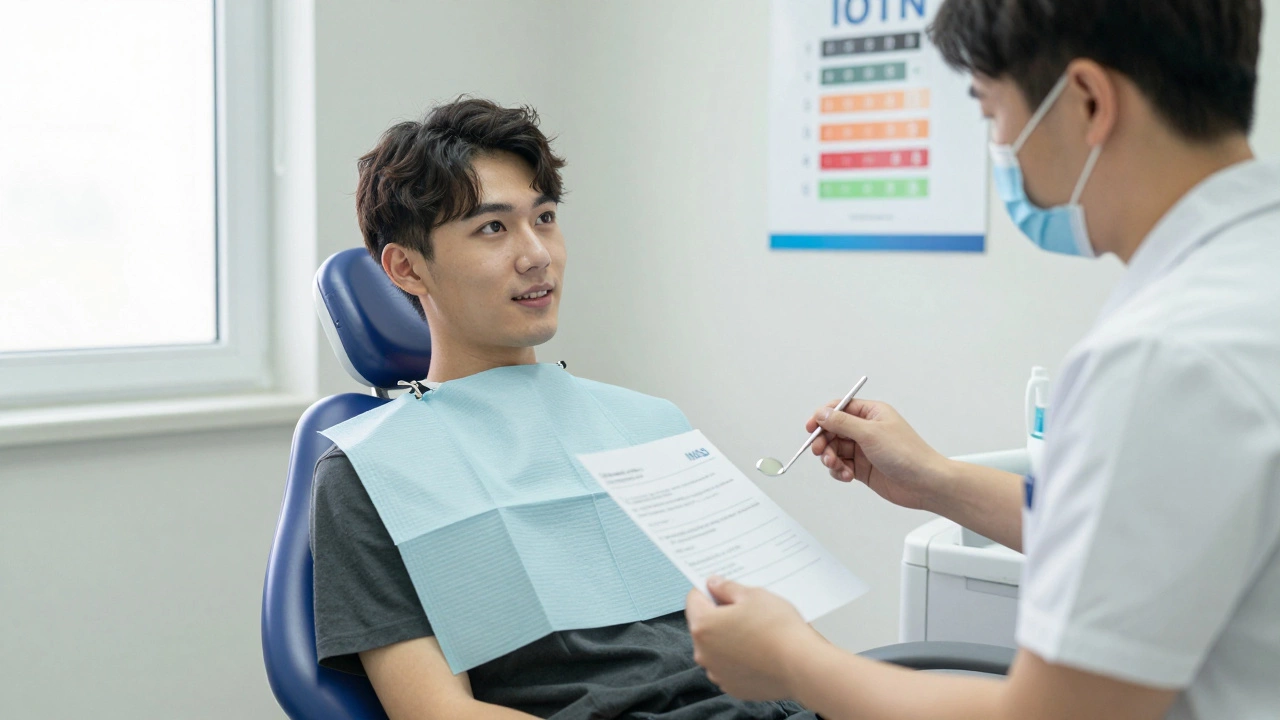
The NHS offers orthodontic treatment for free - but only if your teeth are severely misaligned. The criteria are strict: you need a high Index of Orthodontic Treatment Need (IOTN) score, usually level 4 or 5. That means major crowding, gaps, or bite issues that affect chewing or speech. If your teeth are just crooked but not causing health problems, you won’t qualify.
That leaves most adults in a gray zone. You need help, but you’re not eligible for NHS support. So what’s next?
Option 1: NHS orthodontics - if you qualify
If you’re under 18, your chances are better. The NHS covers braces for teenagers with moderate to severe issues. For adults, it’s rare - but not impossible. Talk to your NHS dentist first. They’ll assess your case using the IOTN scale. If you’re borderline, they might refer you to an orthodontist who can make the case for treatment based on functional needs, not just looks.
Even if you don’t qualify for braces, the NHS still covers basic dental care: fillings, extractions, root canals. If your messed up teeth are causing pain, infection, or gum disease, fixing those problems comes first. And yes - removing a tooth is cheaper than fixing it.
Option 2: Dental schools - the hidden gem
There are five dental schools in the UK that offer low-cost treatment supervised by qualified dentists: King’s College London, University of Manchester, University of Birmingham, Cardiff University, and Glasgow Dental Hospital.
Students train here under strict supervision. They do everything from cleanings to crowns to simple orthodontics - but at 30-70% less than private clinics. A full set of metal braces might cost you £800-£1,200 instead of £3,000+. Root canals can be as low as £150. Even dentures start at £300.
You’ll wait longer - appointments take more time, and treatment can stretch over months. But the quality is high. These schools follow NHS standards and are regularly inspected. Many patients get better care here than at busy private practices.
To book: Visit the website of your nearest dental school and look for their “public clinic” or “training clinic” page. You don’t need to be a student. Anyone can book.
Option 3: Clear aligners - but not the big brands
Companies like Invisalign charge £3,000-£5,000. But there are UK-based clear aligner providers that cut the middleman. Companies like SmileDirectClub (now operating under new ownership), ALIGNERCO, and even local UK startups offer mail-in aligners starting at £1,200.
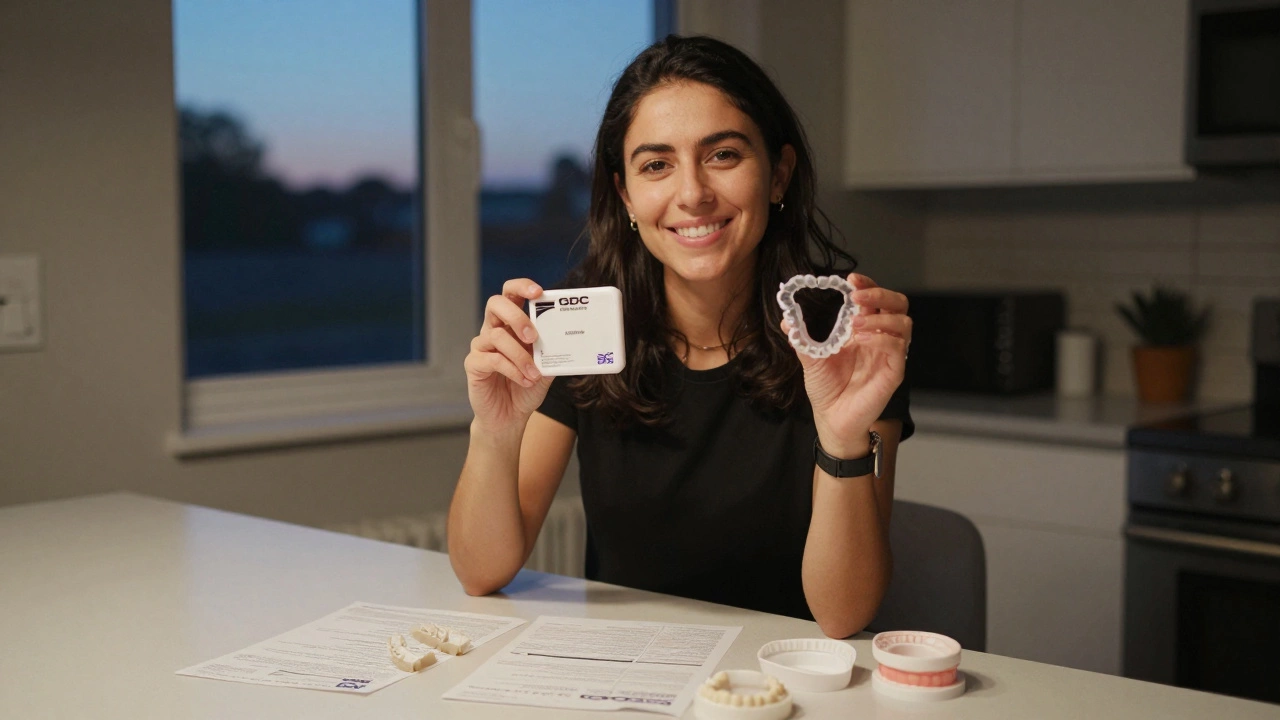
Here’s how it works: You order a home impression kit. You send back molds of your teeth. A dentist reviews them remotely. If you’re a good candidate, they send you custom aligners by post. You wear them 22 hours a day for 6-18 months.
It’s not for everyone. You can’t have major bite issues, missing teeth, or severe crowding. But if your teeth are just slightly crooked or gapped, this works. And it’s often cheaper than traditional braces.
Watch out for scams. Only use providers who are registered with the General Dental Council (GDC). Check their website for GDC registration numbers. Avoid any company that doesn’t require a dental review.

Option 4: Payment plans - spread the cost
Private clinics aren’t all bad. Many offer 0% interest payment plans. You can spread £2,000 worth of treatment over 12-24 months with no extra fees. That’s just £80-£170 a month.
Ask for a written quote that breaks down: materials, lab fees, consultations, and aftercare. Some clinics hide costs in “administration fees” or “retainer charges.” Get everything in writing before you sign.
Compare at least three clinics. Don’t just pick the cheapest one - look for ones that offer free consultations and X-rays. A good dentist will explain your options without pushing the most expensive one.
Option 5: Teeth extraction + dentures - the last resort
If your teeth are badly decayed, broken, or loose, extraction might be the cheapest path forward. Removing all your teeth and getting a full denture costs between £500 and £1,500 on the NHS. Private dentures start at £600 but can go up to £3,000.
Dentures aren’t perfect. They don’t feel like real teeth. You’ll need adhesive. You can’t bite into apples without fear. But they’re functional. And they stop pain, infection, and further bone loss.
Some people choose this route because they’ve been told they need implants - which cost £2,000-£3,500 per tooth. That’s £20,000+ for a full arch. Dentures are a realistic alternative if you’re on a tight budget.
What NOT to do
Don’t go overseas for cheap dental work. Turkey, Hungary, and Thailand offer lower prices - but you lose legal protection. If something goes wrong, you can’t sue. Follow-up care is nearly impossible. Complications like infections or nerve damage can cost more to fix back home than the original treatment.
Don’t buy DIY aligners from Amazon or Instagram ads. No dentist reviews your case. No X-rays. No safety checks. You could damage your gums, jaw, or roots - and end up needing expensive surgery later.
Don’t delay. Every month you wait, your teeth shift more. Gum disease spreads. Bone shrinks. That makes future treatment harder - and more expensive.
Real cost comparison (2025 prices)
| Option | Typical Cost | Time Required | Best For |
|---|---|---|---|
| NHS braces (if eligible) | £0 | 18-24 months | Severe misalignment, under 18 |
| Dental school braces | £800-£1,200 | 12-24 months | Adults with moderate crowding |
| Mail-in clear aligners | £1,200-£1,800 | 6-18 months | Mild to moderate gaps or crookedness |
| Private braces (payment plan) | £2,000-£3,500 (paid monthly) | 12-24 months | Those who want faster results |
| Full dentures (NHS) | £500-£800 | 2-4 months | Severely damaged or decayed teeth |
| Dental implants (per tooth) | £2,000-£3,500 | 6-12 months | Not recommended for cheapest option |
How to start today
Step 1: Book a free check-up with your NHS dentist. Ask: “Can I qualify for NHS orthodontics?” Even if you’re told no, they’ll give you a referral to a specialist who might see things differently.
Step 2: Search for your nearest dental school clinic. Call them. Ask what services they offer and how long the waiting list is. Most have waiting times of 3-8 weeks.
Step 3: If you’re considering aligners, get a free online assessment from one GDC-registered provider. Don’t pay anything until you’ve spoken to a dentist.
Step 4: If your teeth are hurting or loose, don’t wait. Extraction and dentures are quicker and cheaper than trying to save them with expensive procedures.
What to expect after treatment
After braces or aligners, you’ll need a retainer. Always. Teeth move back. A simple plastic retainer costs £50-£100. Skip this, and you’re wasting your money.
If you get dentures, give yourself 4-6 weeks to adjust. They’ll feel strange at first. Practice speaking and eating soft foods. Your dentist will adjust them if they rub or slip.
Keep up with check-ups. Even if you don’t have natural teeth, you still need cleanings every 6 months to prevent gum disease.
Final thought
The cheapest way to fix messed up teeth isn’t about finding the lowest price. It’s about finding the right solution for your situation. For some, it’s NHS braces. For others, it’s dental school treatment or dentures. For many, it’s just waiting a few months and paying in small monthly amounts.
You don’t need to be rich to have a healthy, confident smile. You just need to know where to look - and what not to fall for.
Can I get free braces on the NHS as an adult?
It’s rare. The NHS only funds orthodontics for adults if there’s a serious functional problem - like difficulty chewing, speaking, or severe jaw misalignment. Cosmetic issues alone don’t qualify. Your dentist will use the IOTN scale to decide. If you’re borderline, ask for a second opinion from an NHS orthodontist.
Are dental schools safe for adult treatment?
Yes. Dental students are supervised by qualified dentists at all times. Treatments follow NHS standards, and clinics are regularly inspected by the Care Quality Commission. Many patients report better communication and more time spent with their provider than at private clinics.
How long do clear aligners take to work?
For mild to moderate cases, 6 to 18 months. You must wear them 22 hours a day. If you skip days, treatment takes longer. Results vary by how much your teeth need to move. A dentist must approve your case before treatment starts - don’t skip this step.
Is it cheaper to pull teeth than get implants?
Yes, by a huge margin. Extracting all teeth and getting a full denture costs £500-£1,500. Replacing the same teeth with implants can cost £20,000-£30,000. Implants last longer and feel better, but they’re not necessary for basic function. Dentures are a valid, affordable alternative.
Can I get payment plans for dental work?
Most private clinics offer 0% interest payment plans over 12-24 months. Ask for a written quote that includes all fees. Avoid any plan with hidden charges or early payment penalties. Always read the small print.
What’s the fastest way to fix crooked teeth?
There’s no fast fix without spending more. Metal braces on the NHS take 18-24 months. Clear aligners take 6-18 months. Cosmetic veneers can be done in weeks - but they cost £500-£1,000 per tooth and require shaving down healthy enamel. Speed always comes at a cost.