Tummy Tuck Travel Risk Calculator
When is it safe to fly after a tummy tuck?
Based on UK and Irish surgical guidelines, we'll calculate your risk level based on your surgery date and travel plans.
Getting a tummy tuck can change your body-and your life. But if you’re planning to travel soon after surgery, especially by plane, you need to know the real risks. It’s not just about discomfort. It’s about safety. And yes, many people do fly after a tummy tuck. But not everyone should. And timing matters more than you think.
Why flying after a tummy tuck is risky
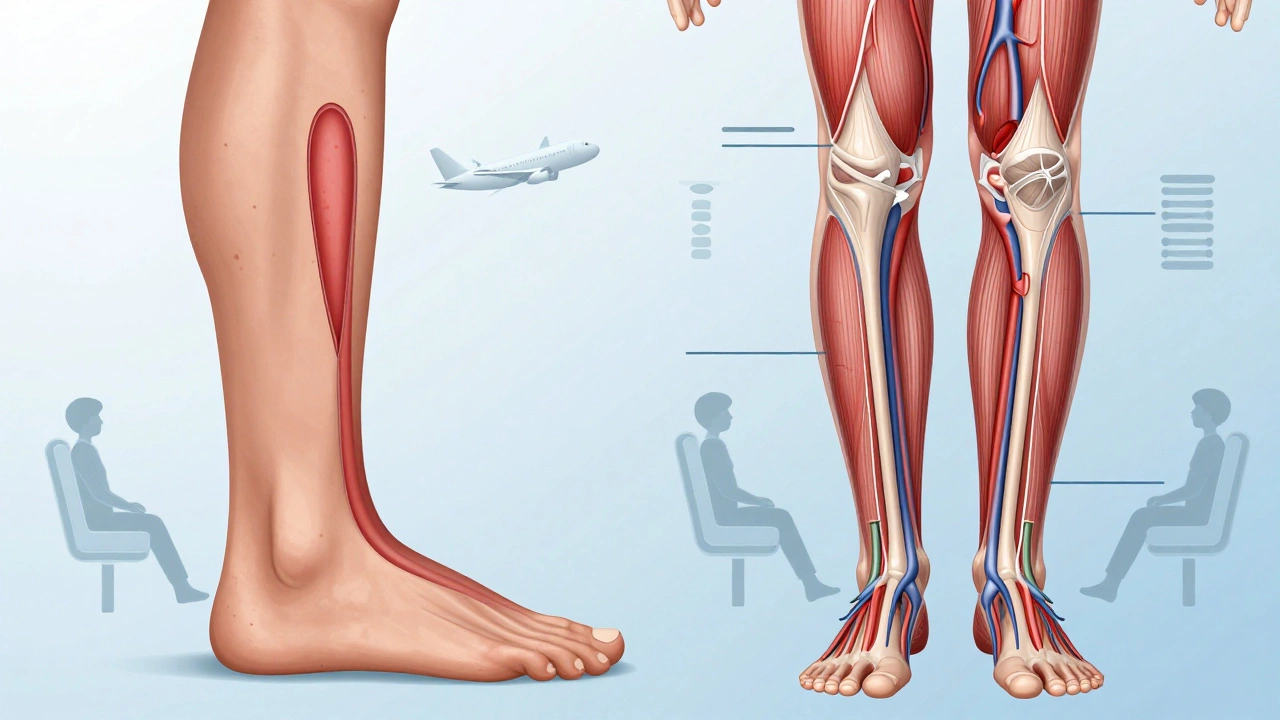
The biggest danger isn’t the pressure changes in the cabin. It’s blood clots. After any major abdominal surgery, your body is in a high-risk state for deep vein thrombosis (DVT). That’s when a clot forms in a deep vein, usually in the legs. If that clot breaks loose and travels to your lungs, it’s a pulmonary embolism-and that can be deadly.
Surgeons in the UK and Ireland see this too often. A 2024 study from the British Association of Aesthetic Plastic Surgeons tracked 1,200 tummy tuck patients. Of those who flew within 10 days of surgery, 3.7% developed DVT. That number dropped to 0.8% for those who waited at least 14 days. The risk doesn’t disappear after two weeks, but it drops sharply.
Why does flying make it worse? Sitting still for hours, low cabin humidity, and reduced oxygen levels all slow circulation. Your body is already healing from a large incision. Your core muscles are cut and reattached. Movement is limited. Add a 5-hour flight, and you’re asking for trouble.
When is it safe to fly?
Most plastic surgeons recommend waiting at least 14 days before flying. Some suggest 21 days, especially if you had a full tummy tuck with muscle repair. That’s not arbitrary. It’s based on how long it takes for the body to form stable scar tissue and reduce swelling enough to lower clot risk.
Here’s what most UK clinics follow:
- Days 1-7: Stay home. No driving, no lifting, no walking long distances. You’re still bleeding internally in places.
- Days 8-14: Light walking only. No stairs. No bending. You can sit in a car for short trips, but no flights.
- Day 14+: Most patients can fly if they’re pain-free, mobile, and have no signs of infection or swelling. But even then, you need to take precautions.
One patient from Manchester told her surgeon she was flying to Spain for a wedding on day 10. She developed leg pain mid-flight. She was hospitalized in Barcelona with a clot. She needed six weeks of blood thinners. That wedding? She watched it from a hospital bed.
What if you absolutely must fly earlier?
Some people have no choice. A family emergency. A work deadline. A child’s graduation. If you’re one of them, talk to your surgeon. Don’t assume your GP knows what’s safe after a tummy tuck. They often don’t.
Here’s what a specialist might suggest if you’re flying before day 14:
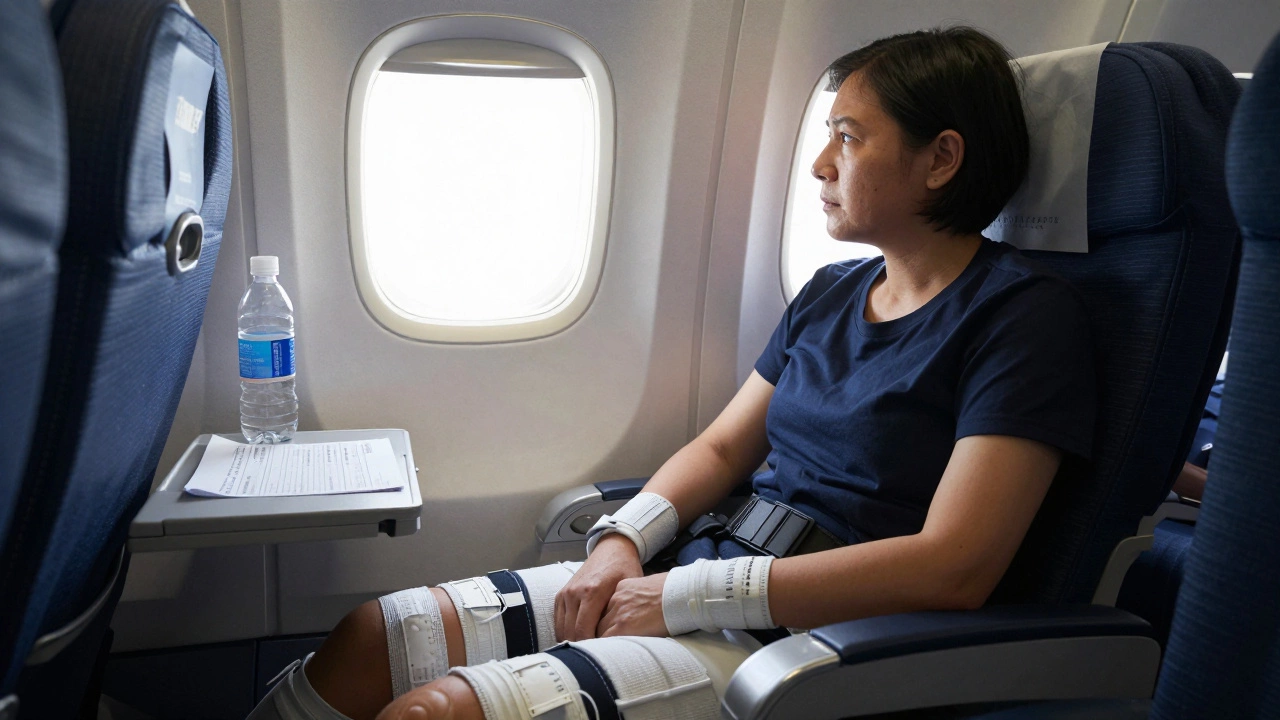
- Wear medical-grade compression stockings (class II, 20-30 mmHg)
- Take a low-dose blood thinner like enoxaparin (if prescribed)
- Walk the aisle every 30 minutes during the flight
- Drink water constantly-no alcohol or caffeine
- Book an aisle seat with extra legroom
- Have someone meet you at the airport to help you
Even with these steps, the risk is still higher than normal. You’re not just risking your health-you’re risking your results. Swelling can worsen. Scar tissue can tear. Compression garments can shift. You might undo months of healing in one flight.
What about short-haul vs long-haul?
Yes, a 1-hour flight to Belfast is different from a 10-hour flight to Dubai. But the risk isn’t just about time. It’s about immobility. A short flight with no movement is riskier than a long one where you walk around.
That’s why the advice is the same: wait 14 days. Don’t assume short-haul is safe. The clot risk doesn’t care how long the flight is. It cares whether you’re moving.
One patient flew from London to Edinburgh just 8 days after surgery. She didn’t walk once during the flight. She got home, took off her compression garment, and collapsed from pain. Turned out she had a small clot. She spent three days in the hospital. Her recovery was set back by weeks.
What about driving after a tummy tuck?
Driving is usually allowed after 7-10 days if you’re off painkillers and can move comfortably. But even then, don’t drive long distances. The pressure from the seatbelt across your abdomen can strain healing tissue. Many patients report sharp pain when buckling up. That’s your body telling you to wait.
For the first two weeks, use public transport or have someone drive you. If you must drive, adjust the seat so the belt sits low across your hips-not your stomach. And take breaks every 30 minutes.
Signs you shouldn’t fly-no matter the date
Even if you hit day 14, don’t fly if you have:
- Swelling that’s getting worse, not better
- Fever or chills
- Redness, warmth, or pus around the incision
- Sharp pain in your calf or thigh
- Shortness of breath or chest pain
These aren’t normal. They’re red flags. If you feel any of these, call your surgeon. Don’t book a flight. Don’t wait. Delaying a flight is safer than risking your life.
What to pack for your flight
If you’re cleared to fly, pack smart:
- Your compression garment (wear it under your clothes)
- Extra gauze and medical tape
- Pain relief you’ve been approved to take (no aspirin-it thins blood)
- Water bottle (fill it after security)
- Snacks (low-salt, high-protein)
- Compression socks (if not already wearing them)
- Phone number for your surgeon
Don’t forget to carry your surgical discharge papers. Airport staff or overseas doctors might ask. And if you’re flying internationally, check if your insurance covers post-op complications abroad. Most UK travel insurance policies exclude elective surgery complications.
Real-world advice from UK clinics
Surgeons at The London Cosmetic Surgery Clinic and the Dublin Aesthetic Institute both say the same thing: Wait 14 days. No exceptions unless it’s life or death.
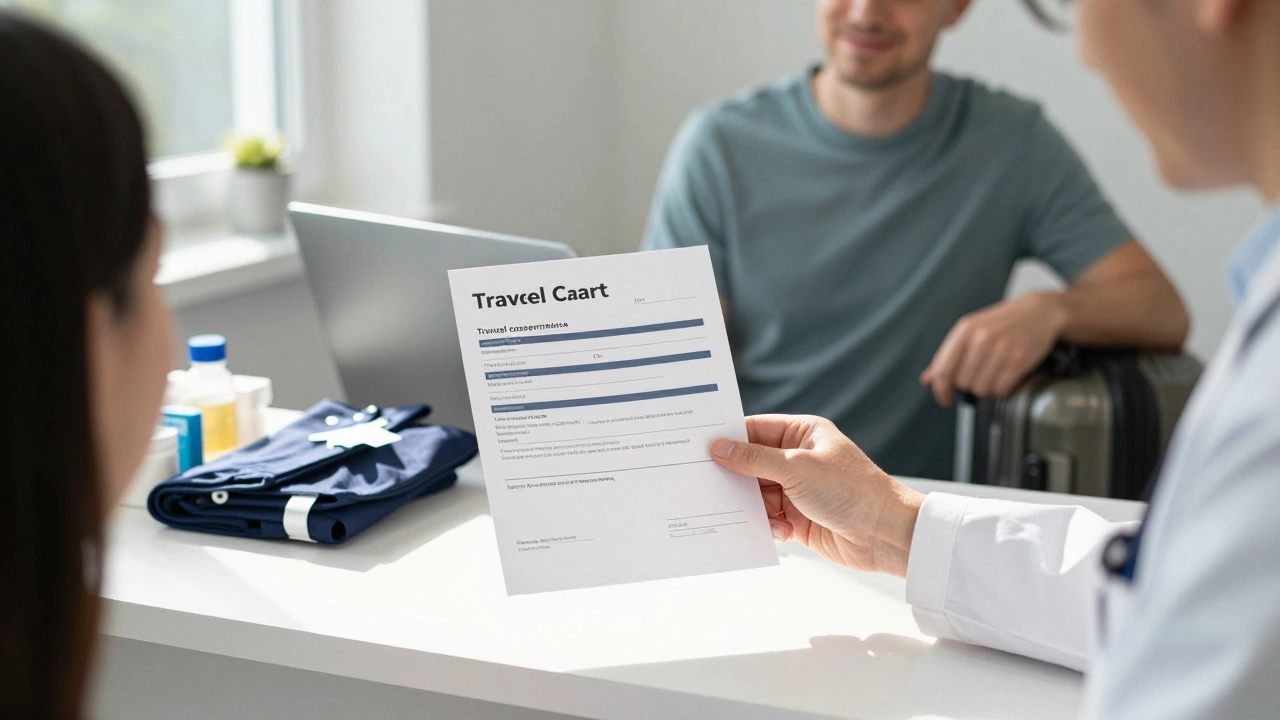
One clinic even gives patients a travel clearance letter if they need proof for airlines or employers. It includes your surgery date, recommended travel date, and a doctor’s signature. It’s not a guarantee-but it helps.
They also warn against booking non-refundable flights. If you need to delay, you should be able to change dates without losing money. Many airlines now offer flexible booking for medical reasons. Ask.
What about aftercare abroad?
If you’re flying to a country where you don’t speak the language or don’t have a local doctor, you’re taking a big risk. A complication at day 12? You might not find a surgeon who knows your case. Or worse-you might get advice from someone who doesn’t understand tummy tuck recovery.
Stick to the UK or Ireland for at least 3 weeks. That’s when your surgeon can still monitor you properly. If you’re flying to a holiday destination, make sure you have a follow-up appointment lined up before you leave. And keep your surgeon’s contact info with you.
Bottom line: Wait. It’s worth it.
A tummy tuck isn’t a quick fix. It’s a major surgery. Your body needs time to heal-not just on the outside, but inside. Flying too soon doesn’t just delay recovery. It can undo your results-or worse.
Most people who wait 14 days report feeling great by week 3. They’re walking, shopping, even going out to dinner. They didn’t miss out. They just chose safety over speed.
Don’t rush. Your future self will thank you.
Can I fly 10 days after a tummy tuck?
Flying 10 days after a tummy tuck is strongly discouraged. The risk of blood clots is highest between days 7 and 14. Most UK surgeons recommend waiting at least 14 days. If you must fly earlier, you’ll need medical clearance, compression stockings, blood thinners, and strict movement during the flight-but the risk remains elevated.
How long should I wait before flying internationally?
For international travel, wait at least 21 days. Long flights increase dehydration and immobility risks. Plus, if a complication arises overseas, you may not have access to your surgeon or your medical records. Staying local for 3 weeks ensures proper follow-up care and reduces the chance of serious issues.
Does insurance cover complications from flying after surgery?
Most standard travel insurance policies in the UK exclude complications from elective cosmetic surgery, even if you’re cleared by your surgeon. Some high-end policies offer limited coverage, but you must declare your surgery upfront. Always check your policy wording before booking. If you’re unsure, contact your insurer directly.
What are the signs of a blood clot after a tummy tuck?
Signs include sudden swelling, warmth, or redness in one leg (especially the calf), sharp pain when standing or walking, shortness of breath, chest pain, or a rapid heartbeat. These are emergency symptoms. If you experience any, seek medical help immediately-don’t wait. A pulmonary embolism can develop within hours.
Can I drive myself to the airport after a tummy tuck?
Driving yourself to the airport is not recommended until at least 10-14 days after surgery, and only if you’re off all painkillers and can move without discomfort. The seatbelt pressure on your abdomen can strain healing tissue. It’s safer to have someone drive you, even if you feel fine. Your body is still healing internally.