Healthcare Wait Time & Cost Calculator
Your Healthcare Situation
Estimated Healthcare Options
Enter your details above to see comparisons
Note: Calculations based on 2025 Ireland data. Public wait times reflect current national averages. Private costs assume standard procedures.
When you need medical care, do you go to the public system or pay for private care? It’s not just about money-it’s about wait times, choice, and what happens when you’re sick. In Ireland, the UK, the US, and many other countries, the split between private and public healthcare isn’t just a policy detail. It’s something people live with every day.
Public Healthcare: What You Get Without Paying Extra
Public healthcare is funded by taxes. In Ireland, that’s the NHS the publicly funded health service in the UK, which provides care regardless of income (in the UK) or the HSE the Health Service Executive in Ireland, responsible for delivering public health services (in Ireland). You don’t pay per visit. You don’t get a bill after an operation. But you do wait.
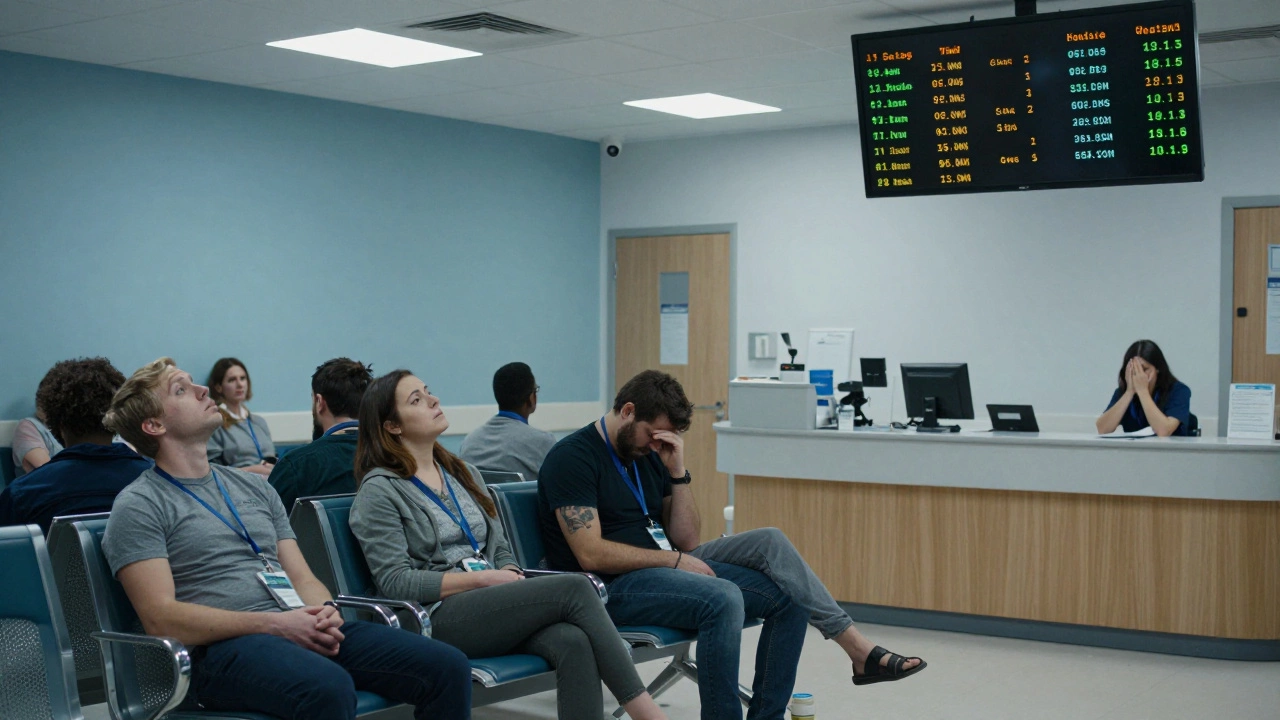
Waiting lists are the biggest trade-off. For non-emergency procedures like hip replacements or cataract surgery, it’s not unusual to wait six to twelve months. In 2025, over 700,000 people in Ireland were on public waiting lists for inpatient or day case care. That’s nearly one in seven adults. Emergency care? That’s covered fast. But if you’re dealing with chronic pain, back problems, or mental health support, the delay can make things worse.
Public systems also limit your choices. You get assigned a doctor. You get scheduled for a clinic at a hospital you didn’t pick. You can’t choose your surgeon. You can’t demand a specific hospital unless it’s the only one in your region. The system is designed to serve everyone equally-but that means you’re often last in line.
Private Healthcare: Pay for Speed and Control
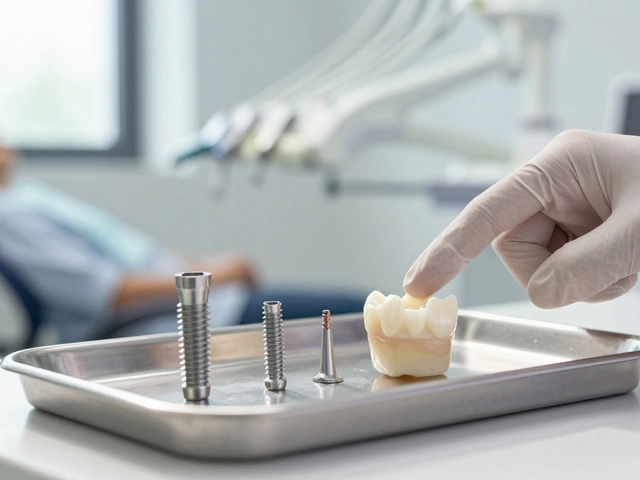
Private healthcare is what you get when you pay out of pocket or through private insurance. You walk into a clinic, book an appointment for next week, and see a specialist without waiting. In Dublin, private hospitals like St. Vincent’s Private Hospital or The Beacon Hospital have their own waiting rooms, separate from public hospitals. No queues. No delays.
The difference isn’t just speed. It’s control. You pick your doctor. You pick your hospital. You can choose to have a procedure done in a private room with better food, cleaner facilities, and more privacy. Many people pay for private care not because they distrust the public system, but because they want to avoid the uncertainty of long waits.
Costs vary. A private consultation with a specialist can cost €150-€300. A private hip replacement? Around €15,000-€20,000. That’s why most people who use private care have health insurance. Plans from VHI Healthcare, Laya Healthcare, or Liffey Health cover most of that. Monthly premiums range from €40 to €150 depending on age, coverage, and extras like dental or mental health.
Who Uses What-and Why?
It’s not just about income. People in their 20s and 30s often rely on public care because they’re healthy and can’t afford insurance. People in their 40s to 60s, especially those with children or chronic conditions, are more likely to pay for private care. Why? Because they’ve seen what long waits do. A mother who needs a specialist scan for her child might pay privately because waiting six months for a public appointment could mean missing a critical window.
Employers often offer private healthcare as a benefit. In Ireland, over 40% of private healthcare users get coverage through their job. That’s a big reason why private care feels more accessible to some than others. It’s not just wealth-it’s whether your employer pays for it.
And here’s the truth: even people who use public care often dip into private care when they need something urgent. A scan, a second opinion, a faster appointment. They pay for it themselves. It’s not a luxury-it’s a workaround.

What You Can’t Buy with Private Care
Private healthcare doesn’t fix everything. It doesn’t cover long-term care. If you need home nursing, palliative care, or support for dementia, those services are mostly still provided through the public system. Private insurers often exclude them, or cap coverage after a few months.
Also, private hospitals don’t run emergency departments. If you have a heart attack, you’re still going to the public hospital. Private facilities focus on planned care-surgeries, scans, check-ups-not trauma or acute emergencies.
And here’s another thing: private care doesn’t guarantee better outcomes. Studies from the Health Information and Quality Authority (HIQA) show that survival rates for cancer, heart surgery, and stroke are nearly identical between public and private providers. The difference isn’t quality-it’s convenience.
The Hidden Cost of Public Healthcare
People think public healthcare is free. It’s not. You pay for it through taxes. In Ireland, the average household pays over €3,000 a year in health-related taxes. That’s more than most people spend on private insurance. The difference is visibility. You don’t see the bill. You don’t get an invoice. But it’s still coming out of your paycheck.
Public systems also struggle with underfunding. Hospitals run out of beds. Staff are stretched thin. Waiting lists grow. That’s not because the system is broken-it’s because demand keeps rising and funding doesn’t keep up. In 2025, Ireland’s public healthcare budget increased by 5%, but demand grew by 9%. That gap is why so many people look for alternatives.

Is One System Better Than the Other?
There’s no simple answer. Public healthcare is designed to be fair. It doesn’t matter if you’re rich or poor-you get the same care. Private healthcare is designed to be fast. It doesn’t matter if you’re busy or stressed-you get seen sooner.
Most people use both. They rely on public care for emergencies and basic care. They use private care when they need speed, choice, or comfort. The real question isn’t which is better. It’s: which one do you need when you’re in pain?
What Happens If You Can’t Afford Private Care?
If you can’t pay for private insurance, you’re not left without options. You still have access to public care. But you’ll wait. And that wait can be hard. People with chronic illnesses often end up in emergency rooms because they couldn’t get a timely appointment. That’s not their fault. It’s a system flaw.
Some programs help. Ireland has the Medical Card for low-income households, which covers most public services. The GP Visit Card gives free GP visits. But these don’t cover everything. Specialist referrals? Still on a waiting list. Diagnostic scans? Still months away.
That’s why many people save up, get insurance through work, or pay for a few key services out of pocket. It’s not about being privileged. It’s about managing risk.
What’s Changing in 2026?
Public healthcare is under pressure. The government is trying to cut waiting lists by investing in private providers to treat public patients. It’s called the Public-Private Partnership model. In 2025, over 10,000 public patients were treated in private hospitals under this scheme. The idea? Use private capacity to clear the backlog.
But it’s controversial. Critics say it’s a band-aid. Supporters say it’s the only way to keep up with demand. Either way, it blurs the line between public and private. You might be a public patient getting care in a private hospital. You’re still on the public waiting list. But you’re being treated faster.
This shift means the old binary-public vs. private-is fading. The future is hybrid. You don’t have to choose one system. You might use both, depending on what you need and when you need it.