
Private Surgery Cost Calculator (Ireland)
Estimate the total financial burden of major private surgeries in Ireland. This tool calculates the estimated surgical costs based on current 2026 averages and adds potential out-of-pocket expenses for rehabilitation and medications.
Cost Breakdown
Imagine waking up in a hospital bed, tubes running from your chest, unable to take a full breath without sharp pain. You can’t remember exactly how you got there, only that the doctors said it was necessary. For many patients, this is the reality of undergoing what is widely considered the hardest surgery to go through. But "hard" means different things to different people. Is it the physical trauma? The mental toll? Or the financial burden?
When we talk about the most difficult surgeries, we aren't just looking at the time spent on the operating table. We are looking at the total journey: the pre-op anxiety, the invasive procedure itself, the grueling rehabilitation, and the long-term lifestyle changes. In this guide, we’ll break down the top contenders for the title of hardest surgery, explain why they are so demanding, and look at what these procedures cost if you choose to pay privately.
The Physical Heavyweights: Surgeries That Redefine Pain
Some surgeries are physically devastating because they involve removing or reconstructing vital organs. These procedures often require open incisions, long anesthesia times, and weeks of immobilization. Here are three procedures that consistently rank as the most physically taxing.
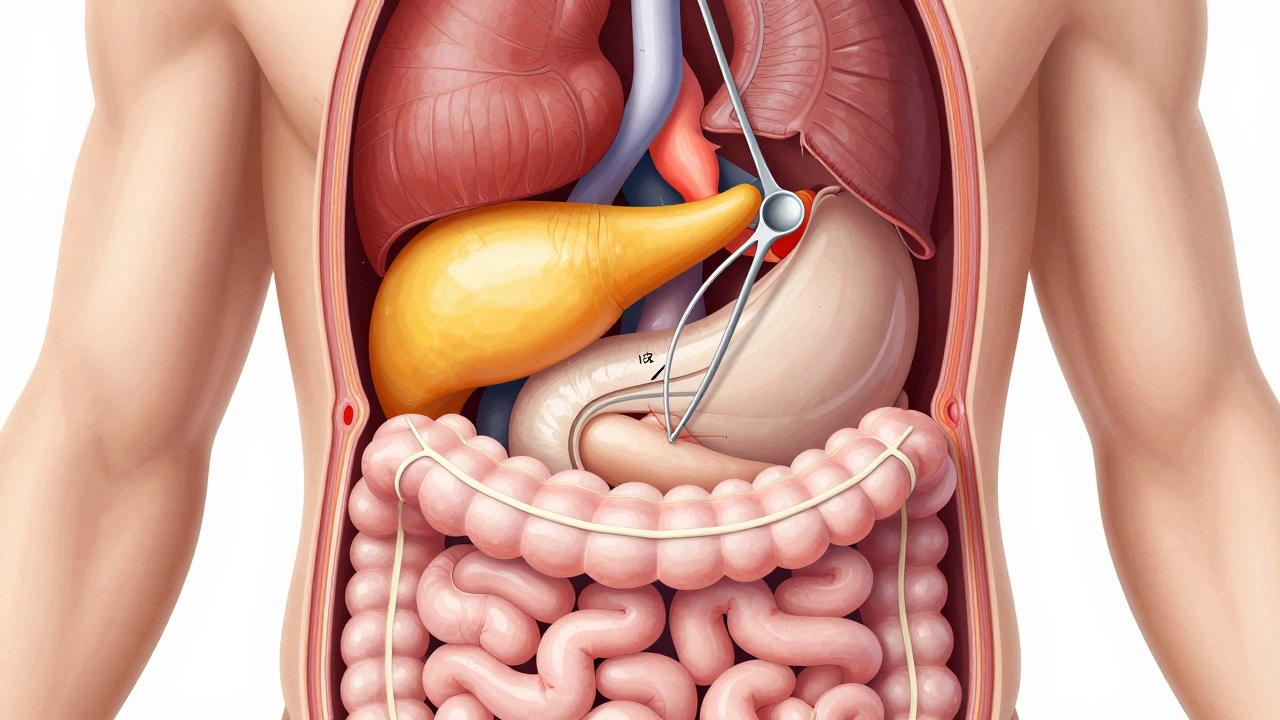
The Whipple procedure is often cited by surgeons and patients alike as one of the most complex abdominal operations. It involves removing the head of the pancreas, the duodenum (the first part of the small intestine), the gallbladder, and sometimes part of the stomach. This is usually done to treat pancreatic cancer or other tumors in that area.
Why is it so hard? Your body’s digestive system is completely rewired. After the surgery, you might struggle with digestion, weight loss, and blood sugar control because your pancreas produces insulin and enzymes. Recovery isn't just about healing the incision; it's about relearning how to eat. Many patients spend months in nutritional therapy. The risk of complications, such as leaks from the new connections between organs, is higher than in standard abdominal surgeries.
While not life-threatening in the same way as organ removal, a corneal transplant is psychologically and physically intense. It involves replacing the damaged outer layer of the eye with donor tissue. The stitches are incredibly fine, and the eye must remain perfectly still during the procedure.
The difficulty here lies in the precision and the aftermath. Patients often experience significant light sensitivity, blurred vision, and a gritty sensation for weeks. The psychological aspect is huge-losing sight temporarily while waiting for the graft to integrate can be terrifying. Plus, the rejection rate is higher than other transplants because the eye has its own immune response mechanisms. You need to use steroid drops for years to prevent rejection, which adds another layer of daily management.
A craniotomy involves cutting into the skull to access the brain. Whether it's for a tumor, aneurysm, or hematoma, opening the skull is a major event. The brain controls everything, so any swelling or pressure during surgery can have immediate, severe consequences.
Recovery from a craniotomy is unpredictable. Some patients wake up talking normally; others face seizures, memory loss, or motor function deficits. The pain is unique-a deep, throbbing headache combined with scalp tenderness where the bone flap was replaced. Patients often report feeling "foggy" for months as the brain heals. The fear of re-operation if the tumor returns also creates a lasting mental burden.
The Marathons: Long-Term Reconstruction and Organ Transplants
Physical intensity is one thing, but duration is another. Some surgeries start a lifelong commitment to medical care. These are the marathons of medicine.
- Liver Transplant: This is a massive operation that can last 8 to 12 hours. The patient receives a new liver, but they must take immunosuppressant drugs for the rest of their lives to prevent rejection. These drugs weaken the immune system, making everyday infections dangerous. The diet changes, the medication costs, and the constant monitoring make this a lifetime project, not just a surgery.
- Carpal Tunnel Release (Severe Cases): Wait, isn't this minor? Usually, yes. But in cases involving severe nerve damage or previous failed surgeries, it becomes a nightmare of chronic pain and limited hand function. However, compared to organ transplants, it rarely makes the "hardest" list unless complicated by infection or nerve regeneration issues.
- Spinal Fusion: This surgery connects two or more vertebrae in your spine using bone grafts and metal hardware. It stops movement to reduce pain, but it transfers stress to adjacent discs. Recovery involves wearing a brace for months and strict limitations on bending or lifting. Many patients report that while the acute pain goes away, they never feel "normal" again due to stiffness and altered posture.
The Mental Toll: Why Psychology Matters More Than Pain
We often underestimate the mental side of surgery. The hardest surgery isn't always the one with the biggest cut. Sometimes, it's the one that changes how you see yourself.
Consider a trachelectomy (removal of the cervix) for early-stage cervical cancer. Physically, it’s manageable. But for women hoping to have children, it carries immense emotional weight. The risk of miscarriage increases, and the anxiety of every pregnancy afterward is overwhelming. Similarly, gender confirmation surgery involves significant physical recovery, but the social and psychological transition is the true challenge. Dealing with societal judgment, family dynamics, and personal identity shifts requires a level of resilience that goes beyond physical healing.
Post-operative depression is common after major surgeries like mastectomies or limb amputations. The loss of body image or function can lead to isolation. If you are facing a major surgery, having a support network is just as important as having a skilled surgeon.
Private Surgery Costs: What Are You Paying For?
In Ireland, the decision to go private is often driven by waiting times. On the HSE (public system), you might wait months or even years for non-urgent major surgeries. Private healthcare offers speed, choice of surgeon, and private rooms. But it comes with a price tag that can shock you.
Costs vary wildly depending on the complexity of the procedure, the length of the hospital stay, and the surgeon's fees. Here is a realistic breakdown of average private costs in Ireland for some of the harder surgeries mentioned above.
| Procedure | Average Cost Range (EUR) | Key Cost Drivers |
|---|---|---|
| Whipple Procedure | €45,000 - €70,000+ | Long OR time, ICU stay, specialist pancreatic team |
| Liver Transplant | €80,000 - €120,000+ | Organ procurement, multi-day ICU, lifelong meds (not included) |
| Craniotomy | €30,000 - €50,000 | Neurosurgeon fees, imaging, potential neuro-rehab |
| Corneal Transplant | €5,000 - €10,000 | Surgical precision, post-op monitoring, drop medications |
| Spinal Fusion (Single Level) | €20,000 - €35,000 | Hardware (screws/rods), hospital stay, physiotherapy |
Note that these figures typically cover the surgeon, anesthetist, and hospital fees. They often do not include pre-operative tests, post-operative rehabilitation, or long-term medication. If you have private health insurance, check your policy limits. Many policies have annual caps or exclusions for certain complex procedures. You might find yourself paying out-of-pocket for parts of the treatment even with insurance.

How to Prepare for the Hardest Surgeries
If you or a loved one is facing one of these major procedures, preparation is key to survival and recovery. Here is a practical checklist to help you navigate the process.
- Get a Second Opinion: For complex surgeries like a Whipple or craniotomy, ensure you are seeing a specialist who performs this specific procedure regularly. Volume matters. Surgeons who do 20+ of these a year have better outcomes than those who do one a year.
- Optimize Your Health Beforehand: Quit smoking immediately. Smoking drastically increases the risk of lung complications and poor wound healing. Start eating high-protein meals to build muscle reserves. Your body needs fuel to heal.
- Plan for Home Care: You will not be able to drive, cook, or clean for weeks. Arrange for family, friends, or hired help to assist with daily tasks. Buy easy-to-prepare foods and set up a comfortable recovery area on the ground floor if possible.
- Understand the Financials: Ask the hospital for a detailed quote before consenting. Clarify what happens if complications arise. Will you need to stay longer? Who pays for extra ICU days? Get it in writing.
- Mental Preparation: Talk to a therapist or join a support group for patients who have had the same surgery. Hearing real stories helps demystify the process and reduces anxiety.
FAQ: Common Questions About Major Surgeries
Is the Whipple procedure really the hardest surgery?
It is widely considered one of the most technically challenging and physically demanding abdominal surgeries. Because it involves multiple organs and reconstruction of the digestive tract, the recovery is long and complicated. However, "hardest" is subjective. For some, a brain surgery or a transplant with lifelong drug regimens feels harder due to the psychological and long-term management aspects.
How much does a private liver transplant cost in Ireland?
A private liver transplant can cost between €80,000 and €120,000 or more. This includes the surgical team, hospital stay, and initial intensive care. However, it does not cover the lifelong immunosuppressant medications, which can add thousands of euros per year to your expenses. Most patients rely on a mix of public assessment and private funding for such extreme costs.
Can I get a refund if my private surgery fails?
Generally, no. Medical services are not guaranteed outcomes. You are paying for the expertise and the attempt to perform the procedure correctly. If a complication arises due to negligence, you may have grounds for a legal claim, but standard surgical risks (like infection or slow healing) are not refundable. Always read the terms of service provided by the private hospital.
How long is the recovery for a spinal fusion?
Initial recovery takes 6 to 12 weeks, during which you may wear a brace and avoid heavy lifting. Full bone fusion can take 6 to 12 months. Many patients return to light work within a few weeks, but strenuous activity is restricted for several months. Physical therapy is crucial for regaining mobility and strength.
Does private health insurance cover all major surgeries?
Not necessarily. Policies vary greatly. Some have annual limits, while others exclude certain complex procedures or require pre-existing condition waiting periods. Always check your specific policy document. For very expensive surgeries like transplants, you may exceed your policy limit and need to pay the difference out of pocket.
What are the biggest risks of a corneal transplant?
The primary risk is rejection of the donor tissue, which can happen months or even years later. Other risks include infection, glaucoma, cataracts, and persistent blurry vision. Regular follow-up appointments and strict adherence to eye drop schedules are essential to minimize these risks.