
Ever felt that nagging ache in your lower back after lifting groceries? Or maybe your knee clicks every time you climb stairs, and you’re not sure if it’s just aging or something worse? You’re not alone. In Dublin, more people are walking into physio clinics-not because they had a sports injury, but because everyday life started hurting too much to ignore.
You don’t need to be an athlete to need physio
A lot of people think physiotherapists only work with runners, footballers, or people recovering from surgery. That’s not true. Most of the people I see in my clinic aren’t athletes. They’re teachers standing all day, parents carrying toddlers, office workers hunched over laptops, or retirees struggling to get out of a chair. Physio isn’t just for fixing broken bodies-it’s for fixing how your body moves when it’s been doing the same thing wrong for years.
Think about it: if you sit at a desk for eight hours, your hips tighten, your shoulders round forward, and your core forgets how to work. Over time, that’s not just discomfort-it’s pain. That’s when a physiotherapist steps in. They don’t just massage your sore spot. They figure out why it’s sore in the first place.
It’s not just pain-it’s movement
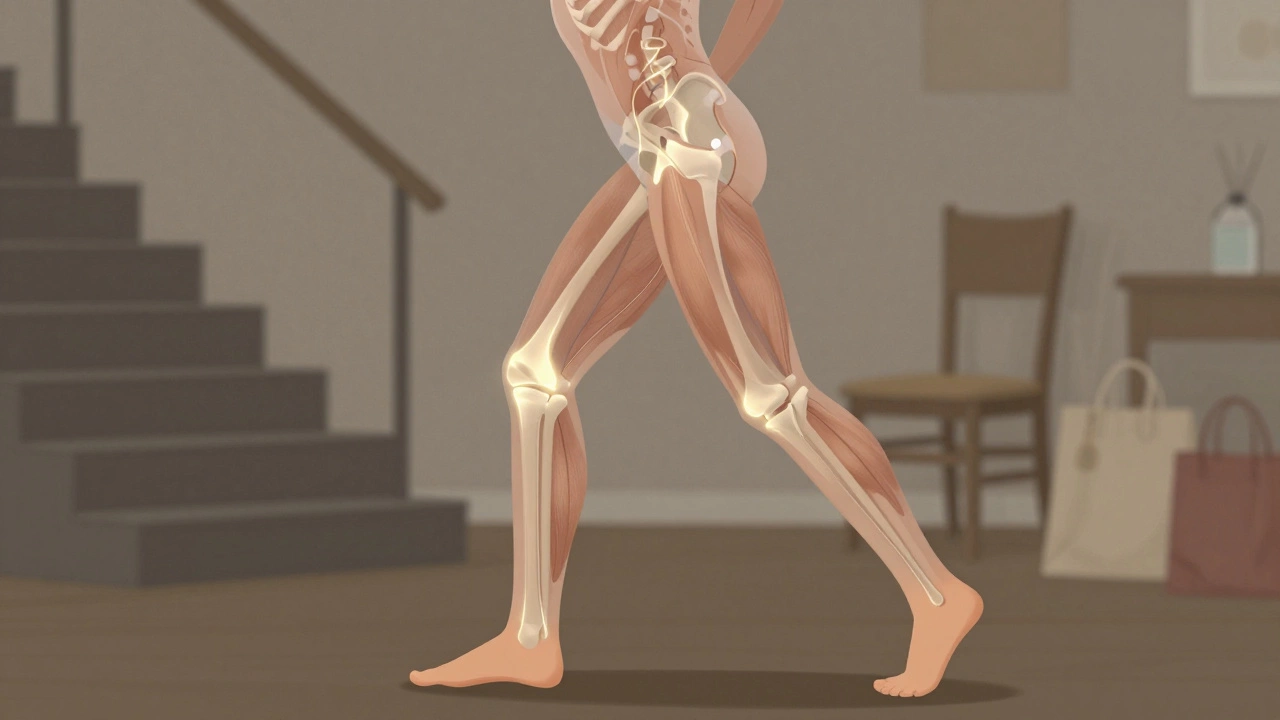
Pain is a signal. But it’s rarely the problem. A stiff neck? Could be your upper back muscles are weak. Knee pain when walking? Might be your glutes aren’t firing right. A physiotherapist looks at your whole body like a machine. One part’s broken, and it’s making another part work too hard.
Take someone with plantar fasciitis. Most people think it’s just a heel problem. But often, the real issue is tight calves, weak foot arches, or even poor hip control. A physio doesn’t just stretch your foot. They check your gait, your posture, your strength. Then they give you simple exercises you can do at home-no fancy gear needed.
Recovery after injury or surgery isn’t optional
If you’ve had surgery-knee replacement, shoulder repair, even a hernia fix-you’re not done when the stitches come out. That’s when the real work begins. Without proper rehab, scar tissue builds up, muscles shrink, and you lose range of motion. You might think you’re fine because the pain is gone. But if you can’t bend your knee past 90 degrees or lift your arm above your head, you’re not recovered-you’re just not in pain yet.
Studies show people who do physio after joint surgery regain mobility 40% faster than those who don’t. And they’re less likely to need a second operation. That’s not hype. That’s data from the Irish Orthopaedic Association. Physio isn’t a luxury after surgery. It’s part of the treatment.
Chronic pain doesn’t have to be permanent
If you’ve had back pain for six months or more, you’re not just "bad luck." You’re stuck in a cycle. Pain makes you move less. Moving less makes your muscles weaker. Weaker muscles make the pain worse. It’s a loop.
Physiotherapy breaks that loop. It’s not about pills or injections. It’s about teaching your body how to move again without fear. One patient I worked with had lower back pain for three years. She avoided bending, lifting, even tying her shoes. After eight weeks of targeted strength work and movement retraining, she was gardening again. No surgery. No drugs. Just smart, consistent movement.
Chronic pain isn’t always a sign of damage. Sometimes, it’s your nervous system being too sensitive. Physio helps reset that. It’s science-backed, not guesswork.
Balance and mobility matter more than you think
As you get older, falling isn’t just scary-it’s dangerous. One fall can change your life. But most falls aren’t accidents. They’re the result of weak legs, poor coordination, or not trusting your own body.
Physiotherapists are trained in balance training. They don’t just tell you to stand on one foot. They test your reaction time, your core control, your foot awareness. Then they build exercises that match your level. For some, it’s heel-to-toe walking. For others, it’s stepping over cushions or shifting weight while holding a ball. These aren’t silly drills. They’re proven to reduce fall risk by up to 50%, according to the HSE’s older adult health guidelines.
It’s not just about fixing problems-it’s about preventing them
Most people wait until they’re in pain before they see a physio. But the best time to go is before anything breaks. Think of it like getting your car serviced. You don’t wait for the engine to seize.
Office workers with neck strain? A 10-minute daily routine can stop the pain before it starts. Gardeners with shoulder issues? A few strength moves twice a week can keep them working through winter. Even runners can avoid shin splints with proper foot and hip drills.
Physio isn’t just for fixing what’s broken. It’s for keeping your body working the way it should.
What to expect on your first visit
It’s not like a doctor’s appointment where you sit and wait. Your first session usually lasts 45 to 60 minutes. The physio will ask you about your pain: when it started, what makes it worse or better, what you can’t do anymore. Then they’ll watch you move-walk, squat, reach, bend. They might gently press on areas to find tight spots or weak links.
They won’t crack your back or give you a massage unless it’s part of the plan. Most of the time, they’ll give you a few simple exercises and explain why they matter. You’ll leave with a plan, not just a pamphlet.
And no, you don’t need a referral. Most private physios in Ireland accept self-referrals. If you’re covered by private health insurance, check your policy. Many plans cover 5-10 sessions a year.
When physio won’t help
Physio isn’t magic. If you have a serious fracture, a tumour, or nerve damage from diabetes, you need a doctor first. A good physiotherapist knows their limits. They’ll refer you to a GP or specialist if something’s beyond their scope.
But if you’ve got pain that’s been hanging around for weeks, movement that feels stiff or awkward, or you’re just tired of living with discomfort-physio is the next step. Not the last resort. The smart first move.
It’s about getting back to your life
People don’t go to physio to become fitness models. They go because they want to play with their grandkids. Walk the dog without wincing. Carry their suitcase up the stairs. Sit at their desk without their neck screaming. That’s the goal.
Physiotherapy doesn’t promise miracles. But it does promise progress. Real, measurable, lasting progress. And that’s worth more than a quick fix.
Do I need a referral to see a physiotherapist in Ireland?
No, you don’t need a referral to see a private physiotherapist in Ireland. Most clinics accept self-referrals. If you have private health insurance, check your policy-many plans cover physio without needing a doctor’s note. However, if you’re using the public system (HSE), you’ll typically need a referral from your GP, and waiting times can be long.
How many sessions will I need?
It depends on your issue. For a simple muscle strain, you might only need 2-4 sessions. For chronic pain or post-surgery recovery, 6-12 sessions over several weeks is common. The goal isn’t to keep you coming back forever-it’s to teach you how to manage your body so you don’t need ongoing care. Most people see improvement within the first 2-3 visits.
Is physiotherapy painful?
It shouldn’t be. Some exercises might feel challenging, especially if you’re weak or stiff, but sharp pain isn’t normal. A good physio will work within your comfort zone and adjust as you improve. If something hurts badly during a session, speak up. You’re not supposed to endure pain-you’re supposed to reduce it.
Can physio help with headaches?
Yes, especially tension headaches and neck-related ones. Many headaches come from tight muscles in the neck and upper back, often caused by poor posture or stress. Physiotherapists use manual therapy, posture correction, and specific exercises to release tension and improve movement in those areas. Studies show this can reduce headache frequency by up to 70% in some cases.
What’s the difference between a physiotherapist and a chiropractor?
Both treat pain, but their methods and training differ. Physiotherapists focus on movement, strength, and function. They use exercises, manual therapy, and education to help your body heal itself. Chiropractors often focus on spinal adjustments to correct alignment. Physiotherapy is backed by more clinical evidence for long-term recovery, especially for injuries and chronic conditions. Many people use both, but physio is usually the first recommended option by GPs and specialists.
How do I find a good physiotherapist near me?
Start by checking the Irish Society of Chartered Physiotherapists (ISCP) website-they have a directory of registered professionals. Look for someone who listens, explains things clearly, and doesn’t push unnecessary treatments. Read reviews, ask friends, or ask your GP for a recommendation. A good physio won’t just treat your pain-they’ll help you understand it.