NHS Eligibility Calculator
Check Your NHS Hospital Care Eligibility
Find out if you qualify for free hospital treatment in the UK based on your residency status. This tool explains what's covered and what you might need to pay for.
When people hear the UK has a public healthcare system, they often assume hospital bills are a thing of the past. But the truth is more nuanced. You don’t pay for hospital treatment if you’re eligible for NHS care - not because it’s cheap, but because it’s funded by taxes. That’s the core idea behind the National Health Service. And it’s been that way since 1948.
Who Gets Free Hospital Care in the UK?
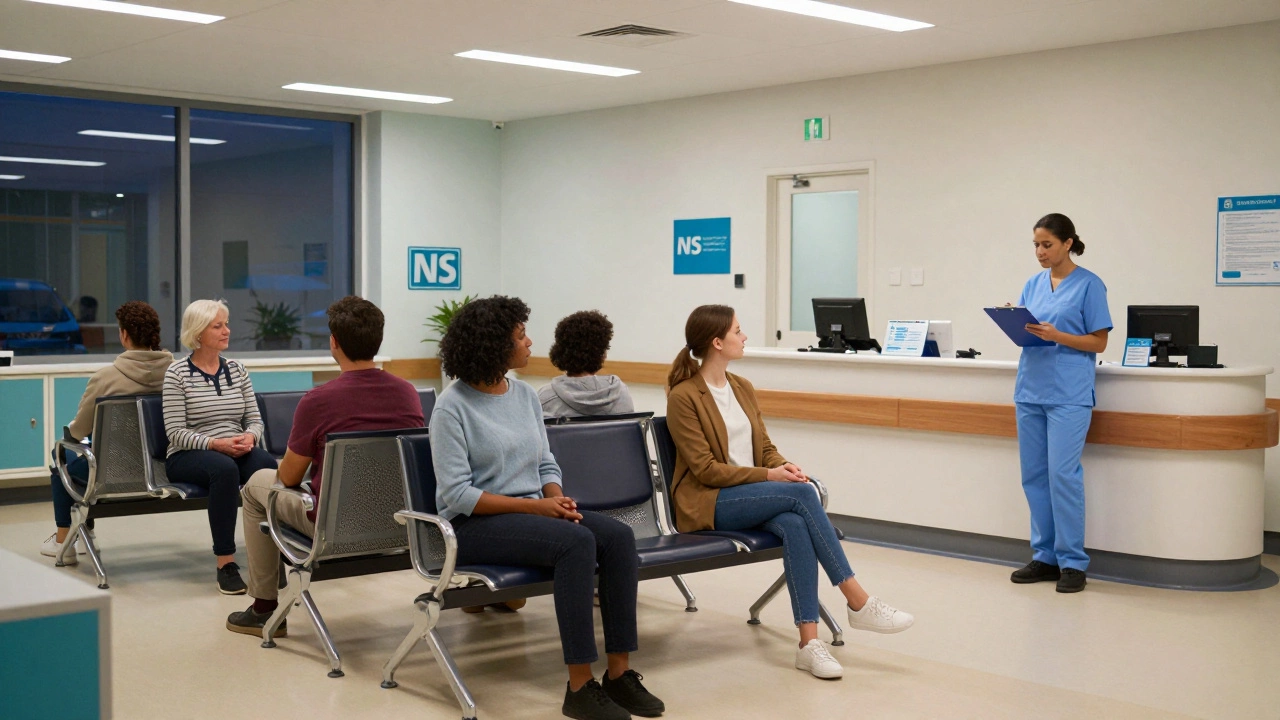
If you’re legally resident in the UK, you don’t pay for hospital treatment. That includes emergency care, surgeries, maternity services, and long-term treatments like chemotherapy. It doesn’t matter if you’re working, unemployed, or retired - as long as you’re considered a resident, your care is covered. The UK doesn’t ask for insurance cards at the ER. No co-pays. No bills in the mail after a broken bone.
Residency is the key. It’s not about citizenship. You don’t need a British passport. If you’ve moved here to live, work, or study for more than six months, you’re covered. Students on long-term visas, EU nationals with settled status, and even asylum seekers all get full NHS access. The system doesn’t track your bank account. It tracks your address.
What About Tourists and Short-Term Visitors?
This is where things get tricky. Tourists, short-term visitors, and people on holiday don’t get free care. The NHS charges them for hospital treatment - but only if it’s not urgent. Emergency care, like a heart attack or serious injury, is still free. You won’t be turned away. But if you need an operation for something that could wait - say, a knee replacement or an MRI for chronic pain - you’ll get billed.
The NHS charges overseas visitors at 150% of the standard NHS rate. That means a simple hospital stay for pneumonia could cost £2,000. A hip replacement? Over £10,000. Many visitors don’t realize this until they get a letter weeks later. That’s why travel insurance with medical coverage isn’t optional - it’s essential.
What Do You Actually Pay?
Even if you’re eligible for NHS care, you might still pay for some things. Prescription charges are one. In England, each prescription costs £9.65, unless you’re under 16, over 60, pregnant, or on low income. Scotland, Wales, and Northern Ireland have scrapped prescription charges entirely. So if you live in Cardiff, you get your meds free. In London? You pay.
Dental care is another exception. Routine check-ups, fillings, and crowns aren’t free. The NHS charges three fixed bands: £26.80 for an exam, £73.50 for a filling, and £333.60 for dentures or complex surgery. Most people pay these out of pocket. Private dental care costs more, but some people choose it for faster appointments.
And then there’s eye tests. You pay £25 on average unless you’re under 16, over 60, diabetic, or on certain benefits. Glasses and contacts? You pay full price. The NHS doesn’t cover those unless you’re on a low income and qualify for a voucher.
What Happens If You Can’t Pay?
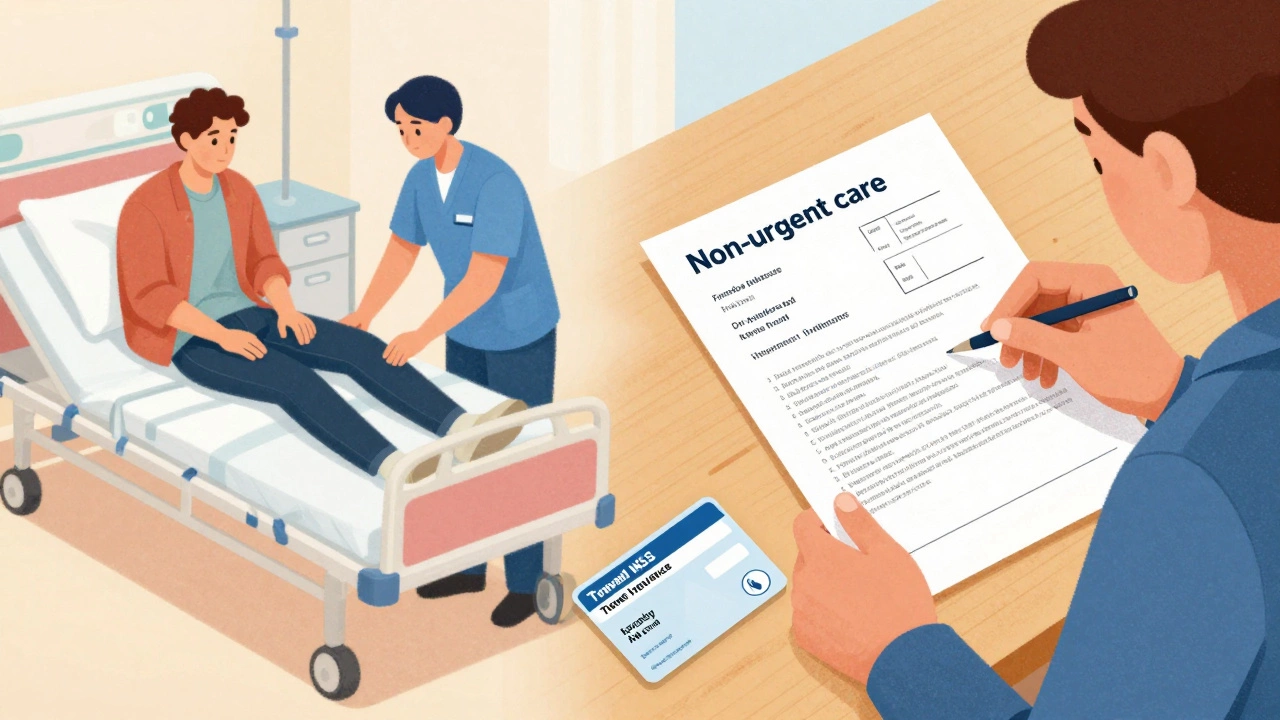
If you’re eligible for NHS care but can’t afford prescriptions or dental fees, there are options. You can apply for an HC2 certificate - a free, government-issued card that covers all NHS costs. You need to prove your income is low enough. It’s not automatic. You have to fill out a form. But if you qualify, you get everything free: hospital visits, prescriptions, dental, even travel to appointments.
There’s no debt collection for NHS hospital bills. If you’re eligible, you don’t get billed. If you’re not eligible and can’t pay, the NHS doesn’t send you to collections. They’ll still treat you - but they’ll keep trying to recover the cost later. That’s why it’s important to know your status before you go to hospital.
Private Hospitals and NHS Patients
Some people think private hospitals are the only way to get faster care. That’s not true. Most NHS hospitals offer the same treatments. The difference? Wait times. A hip replacement might take six months on the NHS. In a private hospital? Two weeks. But if you’re eligible for NHS care, you can’t just walk into a private hospital and expect them to treat you for free. They’ll ask for proof of insurance or payment upfront.
There’s one exception: if you’re referred by an NHS doctor to a private provider under the NHS’s ‘Choice’ program. In that case, the NHS pays the bill. You don’t. You get the same treatment, faster, without paying a penny. But you can’t choose this option on your own. It has to be arranged through your GP.
What About Mental Health and Long-Term Conditions?
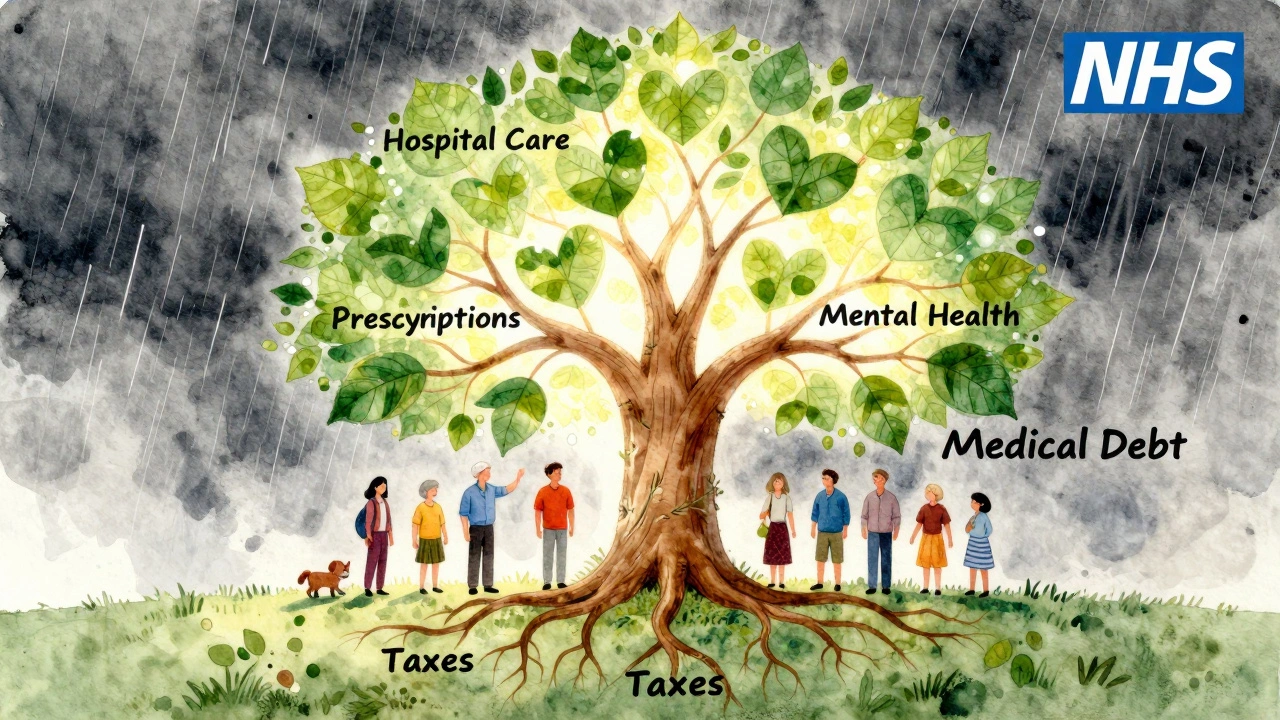
Psychiatric care, therapy, and long-term disease management - like diabetes or MS - are fully covered. No extra fees. No hidden costs. You can see a psychiatrist, get cognitive behavioral therapy, or receive insulin injections without paying. The NHS covers it all.
Some people worry about being denied care because of cost. That doesn’t happen. NHS doctors can’t refuse treatment based on your ability to pay. If you’re eligible, you get care. If you’re not, you still get emergency care. The system is built to protect people from financial ruin because of illness.
How Is This Even Possible?
The UK spends about 10% of its GDP on healthcare. That’s less than the US (18%) but more than Germany (11%). The difference? The UK doesn’t have private insurers billing patients. Everyone pays through taxes. The government negotiates drug prices, sets staff salaries, and controls hospital budgets. That’s how it keeps costs down.
It’s not perfect. Wait times are long. Some hospitals are underfunded. Staff shortages are real. But the core promise holds: you don’t go bankrupt because you got sick.
What If You’re Not Sure If You’re Eligible?
If you’re unsure whether you qualify for free NHS care, go to your local GP practice. They can check your residency status. You don’t need proof. Just show up. They’ll ask where you live, how long you’ve been here, and if you’re working or studying. That’s it. No passport, no visa documents - just a conversation.
If you’re a foreign national, check the NHS website. It has a simple tool: ‘Am I eligible for NHS care?’. It asks five questions. Based on your answers, it tells you if you’re covered. No registration. No login. Just clear answers.
And if you’re ever in doubt - go to A&E. They won’t turn you away. You’ll get treated. Then you’ll get a bill - or you won’t. But you’ll be alive. And that’s what matters.