Fertility Cycle Tracker
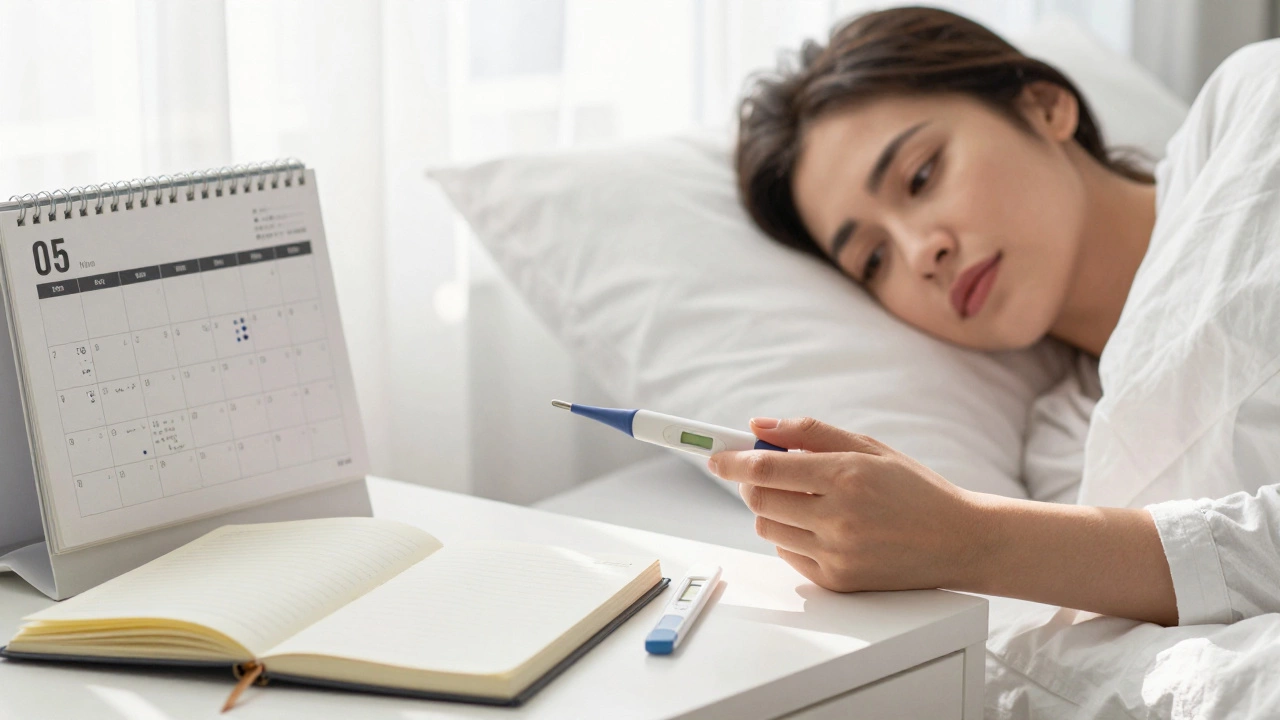
Enter your typical cycle length and current day to see your fertile window. Track your basal body temperature (BBT) and cervical mucus for better accuracy.
Trying to get pregnant can feel like a rollercoaster-some months feel promising, others leave you frustrated. If you’ve been trying for a while without success, it’s natural to wonder: how can I boost my fertility to increase my chances? The good news? Many factors under your control can make a real difference. You don’t need expensive treatments right away. Small, consistent changes in your daily life can significantly improve your odds.
Track Your Cycle Like a Pro
Knowing when you ovulate isn’t just for people using apps-it’s basic biology. Ovulation is the one time each cycle when pregnancy is possible. Miss it, and you miss the window. Most women ovulate around day 14 of a 28-day cycle, but that’s an average. Your cycle might be 26 days. Or 32. That changes everything.
Start tracking basal body temperature (BBT) each morning before you get out of bed. A slight rise-usually 0.3°C to 0.5°C-signals ovulation has already happened. Combine that with ovulation predictor kits (OPKs), which detect the LH surge 24-36 hours before release. You’ll see a pattern over time. Some women notice cervical mucus changes too: clear, stretchy, like egg whites. That’s your body’s way of saying, “Now’s the time.”
Having sex every other day during your fertile window (the 5 days before ovulation and the day of) gives sperm time to replenish while still catching the egg. Don’t overdo it-daily sex lowers sperm count. Every other day? That’s the sweet spot.
Eat for Fertility, Not Just Health
What you eat affects your hormones, egg quality, and even how well your uterus accepts an embryo. Forget fad diets. Focus on whole, unprocessed foods that support reproductive health.
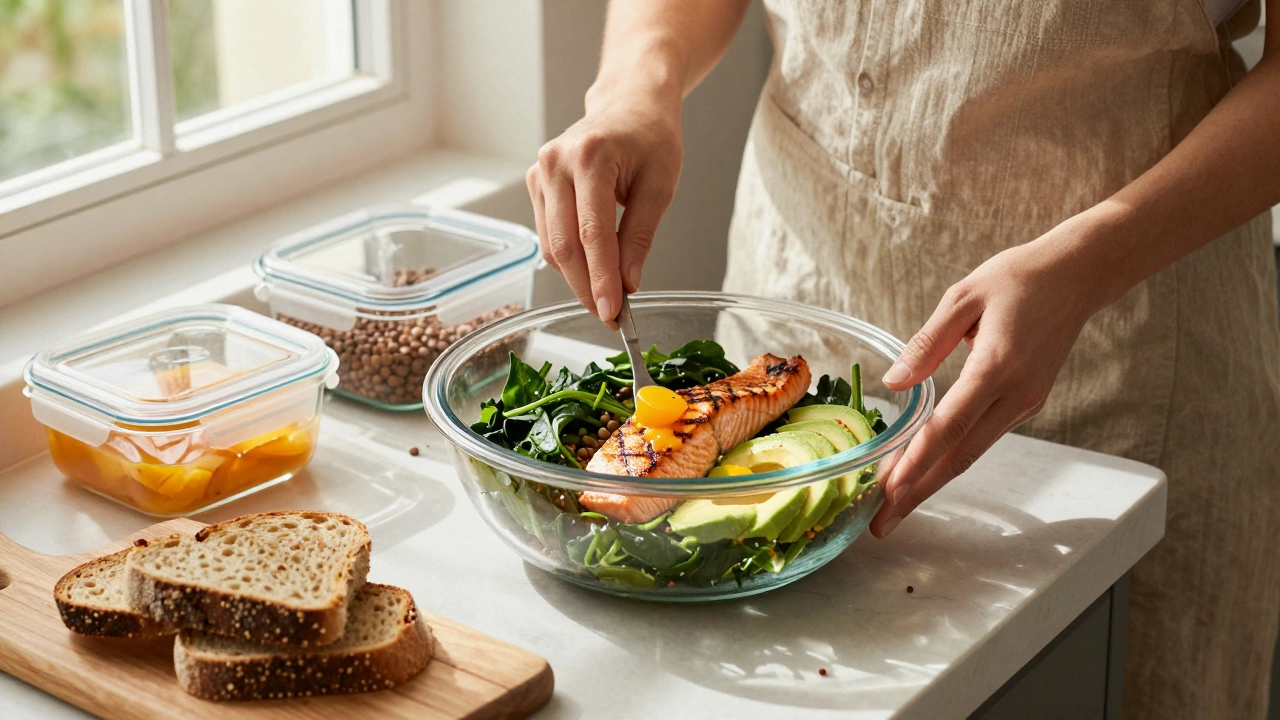
Swap out refined carbs for complex ones: swap white bread for sourdough, white rice for brown or barley. High-glycemic foods spike insulin, which can throw off ovulation, especially if you have PCOS. Studies show women who eat more plant-based proteins-like beans, lentils, and tofu-have better fertility than those who rely on red meat.
Fats matter too. Omega-3s from fatty fish (salmon, sardines, mackerel) reduce inflammation and improve blood flow to reproductive organs. Avocados, nuts, and olive oil are also winners. One 2023 study of over 2,000 women trying to conceive found those who ate the most healthy fats had a 40% higher chance of pregnancy within a year.
Don’t skip iron. Low iron levels are linked to ovulatory infertility. Get it from spinach, lentils, red meat (in moderation), or fortified cereals. Pair it with vitamin C (citrus, bell peppers) to boost absorption. And yes-drink water. Dehydration thickens cervical mucus, making it harder for sperm to swim.
Weight Matters-But Not in the Way You Think
You don’t need to be thin to get pregnant. But being significantly underweight or overweight can disrupt ovulation. Body fat helps produce estrogen. Too little? Your body may pause ovulation to protect itself. Too much? Fat cells create extra estrogen, confusing your cycle.
Research shows that losing just 5-10% of body weight can restore regular ovulation in women with obesity. For those who are underweight, gaining even 2-3 kg can restart cycles. It’s not about reaching a number on the scale-it’s about balance. If you’re exercising intensely (think marathon training or 7 days a week at the gym), dial it back. Excess exercise can suppress ovulation too.
Quit the Toxins-Even the Ones You Don’t Notice
Your environment plays a bigger role than you realize. Smoking cuts fertility by 30-40%. It damages eggs, reduces ovarian reserve, and speeds up menopause. Quitting doesn’t instantly fix things, but within a year, fertility returns close to normal levels.
Alcohol? Limit it. Even one drink a day has been linked to longer time-to-pregnancy. Caffeine? Keep it under 200 mg a day-that’s about one 12-ounce coffee. More than that? Studies show a higher risk of miscarriage.
Then there are hidden endocrine disruptors. Phthalates in plastics, parabens in lotions, and BPA in canned foods can mimic estrogen and interfere with hormone signaling. Switch to glass containers. Choose fragrance-free body products. Avoid plastic wrap on hot food. These aren’t extreme measures-they’re simple swaps that add up.
Stress Is Real. But You Can Manage It
Chronic stress doesn’t just make you tired-it affects your hormones. High cortisol levels can suppress the hypothalamus, the part of your brain that tells your ovaries when to release an egg. That’s why some women get pregnant right after they stop trying: the pressure lifts, and the body resets.
You don’t need to meditate for an hour a day. Try this: 10 minutes of deep breathing before bed. A 20-minute walk in nature. Journaling for five minutes when you wake up. Yoga twice a week. One 2024 study tracked women undergoing IVF and found those who practiced mindfulness for 8 weeks had a 22% higher pregnancy rate than those who didn’t.
And if you’re feeling overwhelmed? Talk to someone. A partner, a friend, a counselor. You’re not alone. Fertility struggles are common-and they’re not your fault.

Check Your Vitamins-Before You Start Trying
Most doctors recommend folic acid before pregnancy. But that’s just the start. Here’s what else to consider:
- Folic acid (400-800 mcg daily): Prevents neural tube defects. Start 3 months before trying.
- Vitamin D (1,000-2,000 IU): Low levels are linked to poor egg quality and irregular cycles. Get tested. Many women in Ireland are deficient, especially in winter.
- CoQ10 (200-600 mg): An antioxidant that improves egg energy. Studies show it may help women over 35.
- Iron (if deficient): As mentioned earlier, low iron = ovulation issues.
- Omega-3s (EPA/DHA): If you don’t eat fish, consider a high-quality fish oil supplement.
Don’t mega-dose. More isn’t always better. Stick to evidence-backed doses. And talk to your GP before starting anything new-especially if you’re on medication.
When to See a Specialist
If you’re under 35 and have been trying for a year without success, it’s time to see a fertility specialist. If you’re over 35, start sooner-after 6 months. Don’t wait for “perfect timing.” Fertility declines with age, especially after 37.
Don’t assume it’s “just you.” Male factor infertility accounts for nearly half of all cases. A semen analysis is quick, non-invasive, and often the first test. It’s not about blame-it’s about solutions.
Many clinics now offer basic fertility assessments for under €200, including hormone blood tests and ultrasound scans. You don’t need to jump straight to IVF. Often, simple interventions-like ovulation induction with clomiphene or lifestyle tweaks-get results.
It’s Not Just About Biology
Getting pregnant isn’t just about timing, diet, or supplements. It’s also about how you feel about your body, your relationship, and your future. The pressure to conceive can turn something natural into something stressful. Be kind to yourself. Celebrate small wins: a regular cycle, a good night’s sleep, a healthy meal.
Some couples conceive quickly. Others take months. A few need medical help. All are valid paths. You’re not behind. You’re not broken. You’re doing the best you can-and that’s enough.