Chronic Pain Relief Strategy Planner
Select the symptoms or triggers you are currently experiencing to generate a personalized relief plan.
Your Recommended Approach
Waking up and feeling like you've gone ten rounds in a boxing ring-even though you spent the whole night in bed-is exhausting. When your body hurts all the time, it's not just a physical struggle; it's a mental grind. You start wondering if this is just your "new normal" or if there's something deeper going on. The truth is, widespread pain is often a signal from your nervous system that something is out of balance, and while the road to feeling better isn't always a straight line, you don't have to just "deal with it."
Quick Wins for Daily Relief
- Heat and Cold Therapy: Use a heating pad for stiff joints and ice packs for acute inflammation.
- Gentle Movement: Try five minutes of stretching or a slow walk to prevent joints from locking up.
- Hydration: Dehydrated muscles cramp more often and feel more tender.
- Sleep Hygiene: Use supportive pillows to keep your spine neutral and reduce morning stiffness.
Understanding the "Why" Behind the Pain
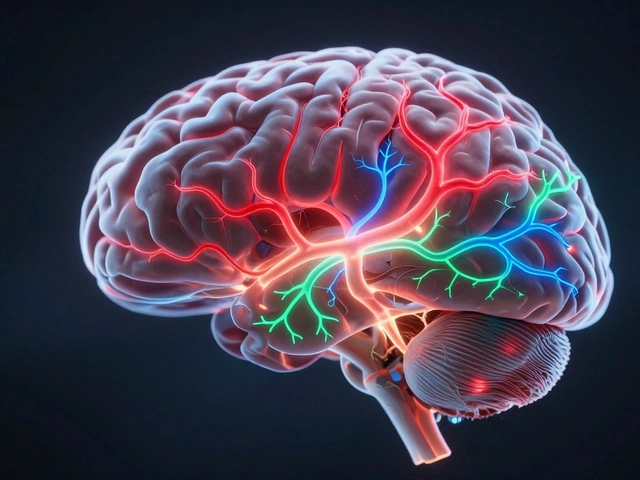
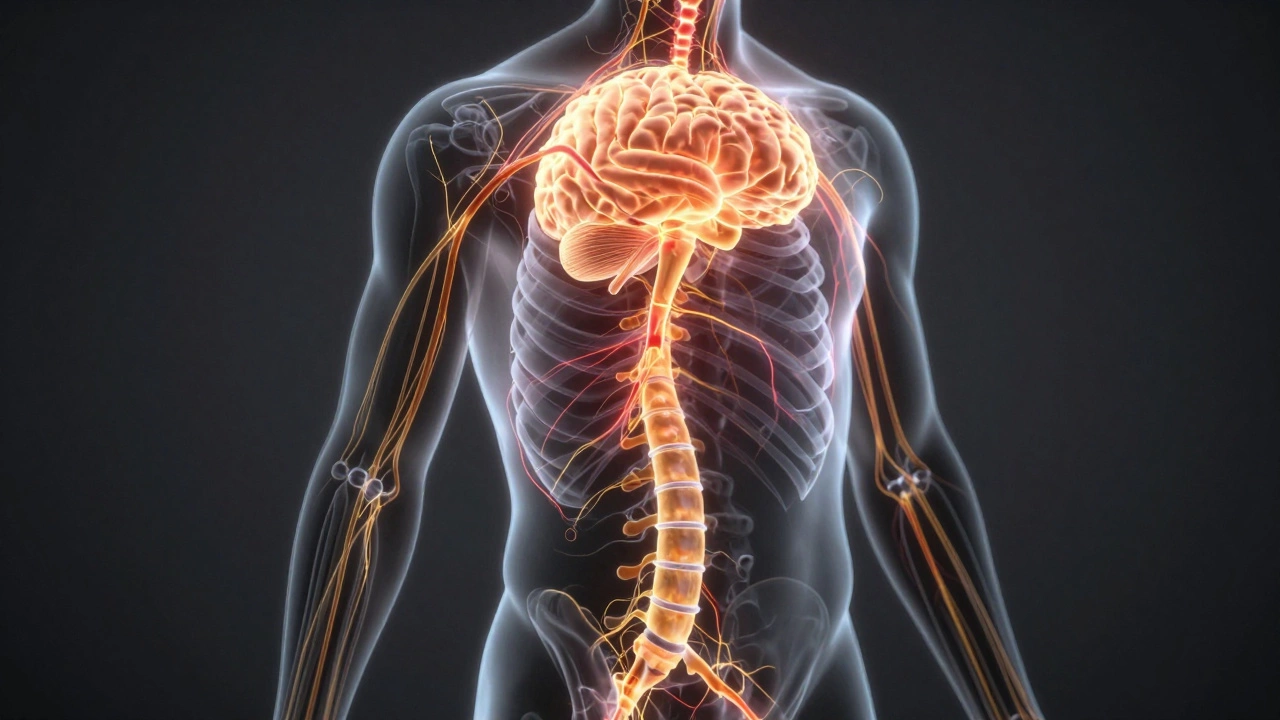
To fix the problem, we have to figure out where it's coming from. Persistent, widespread pain usually falls into a few different buckets. First, there's systemic inflammation. This is when your immune system stays in "attack mode," causing soreness in muscles and joints. Then there's central sensitization. This happens when your brain and spinal cord become hypersensitive to signals, making a light touch feel like a bruise.
Many people find that Fibromyalgia is a disorder characterized by widespread musculoskeletal pain accompanied by fatigue, sleep, memory and mood issues. It's not just "in your head"; it's a real processing error in how your central nervous system handles pain signals. Other common culprits include autoimmune conditions like Rheumatoid Arthritis, which specifically targets the lining of your joints, causing painful swelling that can eventually lead to joint deformity if left untreated.
The Role of Inflammation and Diet
What you eat can either be fuel for your pain or a tool for your recovery. You've probably heard of an anti-inflammatory diet. It's not about a strict regime, but about swapping out triggers for healers. For instance, highly processed seed oils and refined sugars can spike cytokines-small proteins that signal your body to create inflammation. If you're eating these daily, you're essentially pouring gasoline on a fire already burning in your joints.
Instead, focus on omega-3 fatty acids. These are found in fatty fish like salmon or through Fish Oil is a supplement rich in EPA and DHA that helps reduce the production of pro-inflammatory chemicals in the body . Adding turmeric or ginger to your meals can also help. Curcumin, the active ingredient in turmeric, works by blocking NF-kB, a molecule that travels into the nuclei of your cells and turns on genes related to inflammation.
| Trigger | What's Happening | Better Alternative |
|---|---|---|
| Refined Sugar | Spikes insulin and inflammation | Fresh berries or low-glycemic fruits |
| Sedentary Lifestyle | Muscles tighten and joints stiffen | Low-impact swimming or yoga |
| Poor Sleep | Prevents muscle tissue repair | Consistent 7-9 hour sleep window |
| High Stress | Increases cortisol and muscle tension | Mindfulness or deep breathing |
Moving Your Body When it Hurts
It sounds counterintuitive, but the worst thing you can do for chronic pain is stop moving. When you stop, your muscles atrophy and your joints lose lubrication. This leads to a vicious cycle: it hurts to move, so you don't move, which makes it hurt even more when you finally do. The key is chronic pain treatment that focuses on "pacing."
Pacing means doing a small amount of activity before you feel the need to, rather than pushing until you crash. For example, if you can normally walk for 20 minutes before the pain spikes, try walking for 10 minutes, resting, and then walking another 10. This teaches your brain that movement is safe. Physical Therapy is a healthcare approach that uses targeted exercises and manual therapy to restore movement and reduce pain is often the gold standard here. A therapist can help you identify "trigger points"-tight knots in the muscle-and release them using techniques like dry needling or myofascial release.
The Mind-Body Connection
Pain isn't just a physical sensation; it's an emotional experience. When you're in pain for months or years, your brain develops a "pain memory." Even after the original injury has healed, your nerves keep firing because they've been trained to expect pain. This is where cognitive behavioral therapy (CBT) comes in.
CBT isn't about pretending the pain isn't there. It's about changing how you react to it. Instead of thinking, "My body is failing me," which triggers a stress response and tightens muscles, you learn to say, "I'm having a flare-up, and I know how to manage it." This shift lowers your cortisol levels and can actually decrease the intensity of the physical sensation. Combining this with Mindfulness is the practice of maintaining a non-judgmental state of heightened awareness of one's thoughts, emotions, or experiences allows you to detach from the pain and view it as a sensation rather than a catastrophe.

When to See a Doctor and What to Ask
Self-care is great, but some pain requires medical intervention. If you have "red flag" symptoms-like unexplained weight loss, night sweats, or a sudden loss of strength in your limbs-get to a clinic immediately. Otherwise, look for a specialist in Rheumatology is the branch of medicine focused on the diagnosis and treatment of autoimmune and inflammatory diseases of the joints, muscles, and bones .
When you get into the office, don't just say "everything hurts." Be specific. Use a pain journal to track:
- Where exactly is the pain? (e.g., "deep ache in hips," "stinging in fingers")
- What time of day is it worst? (e.g., "stiff for two hours after waking up")
- What makes it better? (e.g., "warm showers," "distraction")
- How does it affect your sleep?
Can stress actually cause my whole body to hurt?
Yes, absolutely. When you're chronically stressed, your body stays in a state of "fight or flight," releasing cortisol and adrenaline. This causes your muscles to remain tense for hours on end. Over time, this constant tension leads to muscle fatigue and soreness, which can eventually trigger a systemic pain response across your entire body.
Is it possible to completely cure chronic widespread pain?
For some, yes; for others, it's about management. If the pain is caused by a vitamin deficiency (like Vitamin D or B12) or a treatable infection, it can be cured. However, for conditions like fibromyalgia, the goal is usually "remission" or high-level management where pain no longer interferes with your daily life.
Should I take painkillers every day if I hurt all the time?
Generally, no. Long-term use of NSAIDs (like ibuprofen) can lead to stomach ulcers and kidney issues. Acetaminophen (paracetamol) can affect the liver. It's better to use these as "rescue medications" for bad flares and rely on physical therapy, diet, and lifestyle changes for baseline management. Always consult your doctor before starting a daily medication regimen.
Why do I feel more pain when the weather changes?
Changes in barometric pressure (the weight of the air) can cause tissues in your body to expand and contract. If you have inflamed joints or sensitive nerves, this subtle shifting can trigger pain receptors. Warm baths and keeping joints covered during cold snaps can help mitigate this.
Does drinking more water really help with body aches?
It does. Water is essential for lubricating your joints and flushing out metabolic waste from your muscles. When you're dehydrated, your fascia (the connective tissue surrounding your muscles) becomes less flexible, which increases friction and pain during movement.
Next Steps for Your Recovery Journey
If you're feeling overwhelmed, don't try to change everything at once. Start with one small shift. Maybe this week, you focus only on drinking more water and doing five minutes of stretching. Once that feels easy, add in a dietary change, like swapping one sugary snack for a handful of walnuts.
For those who have tried everything and still feel stuck, consider a multidisciplinary pain clinic. These centers combine doctors, psychologists, and physical therapists in one place, so you don't have to be the "middleman" coordinating your own care. The goal isn't just to lower the number on a pain scale from 1 to 10, but to get you back to the activities you love.