Fertility Signs: What Your Body Tells You About ovulation and Conception
When you're trying to get pregnant, fertility signs, physical and hormonal changes in the body that signal when ovulation is near. Also known as conception cues, these signals help you pinpoint your most fertile days without needing expensive tests. Most people think ovulation happens right in the middle of their cycle—but that’s not always true. Your body gives you clear, natural clues if you know what to watch for.
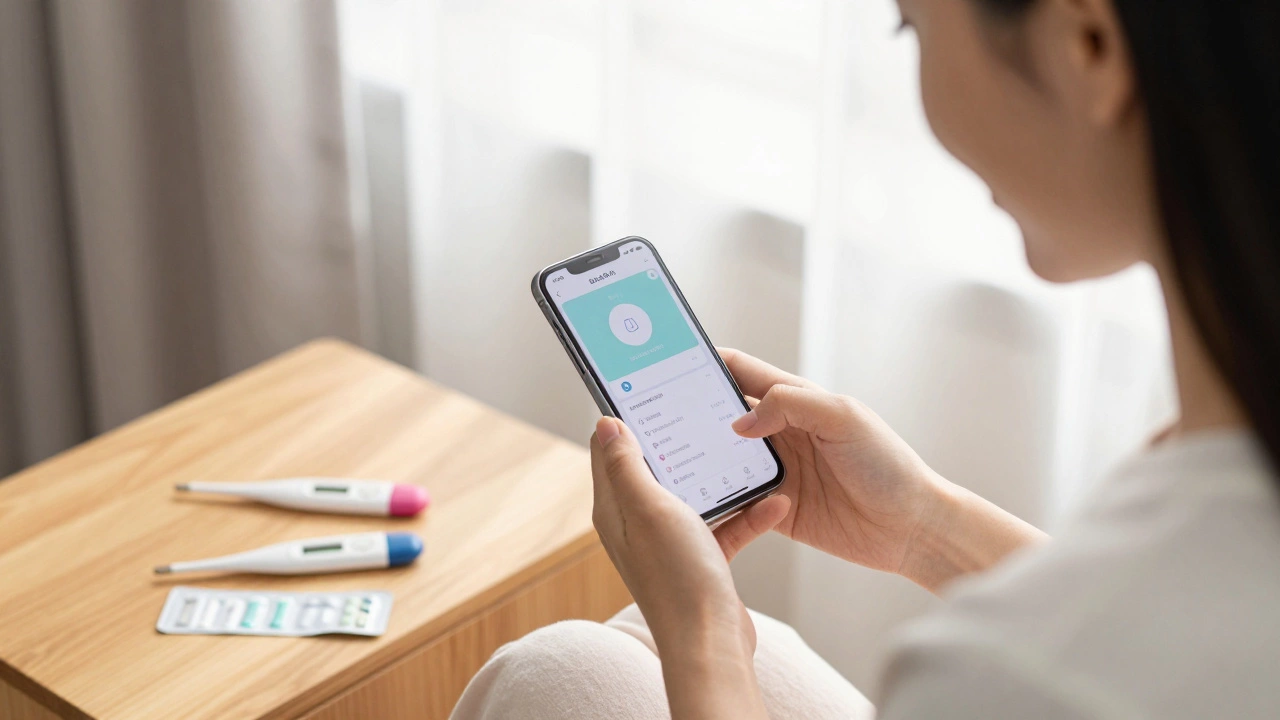
One of the most reliable signs is cervical mucus, the fluid produced by the cervix that changes texture and amount around ovulation. Right before ovulation, it becomes clear, stretchy, and slippery—like raw egg white. That’s your body’s way of helping sperm swim faster and survive longer. Tracking this change daily takes just a few seconds but gives you more control than any app or kit. Another key sign is a slight dip in your basal body temperature, your resting temperature taken first thing in the morning before getting out of bed. It drops just before ovulation, then jumps up by about 0.5°F after. You won’t feel it, but a simple thermometer and a log can show you the pattern over time.
Other signs are less obvious but still real. Some people feel a one-sided twinge in their lower abdomen—called mittelschmerz—when the egg is released. Others notice breast tenderness, increased libido, or even a subtle change in how they smell to their partner. These aren’t myths. Studies tracking thousands of cycles confirm these patterns repeat reliably in people with regular cycles. But here’s the catch: not everyone has all these signs. Stress, hormones, PCOS, or even recent birth control use can mute them. That’s why combining multiple signs gives you the clearest picture. Don’t rely on one thing alone.
What you won’t find in most guides? The truth that fertility signs don’t work the same for everyone. Someone might notice mucus changes every cycle, while another only sees temperature shifts. And if your cycle is irregular, tracking becomes harder—but not impossible. The goal isn’t perfection. It’s awareness. Knowing your body’s rhythm helps you time intercourse better, reduces anxiety, and tells you when something might be off. If you’ve been trying for months without clear signs, it’s worth checking in with a provider. But before you do, start observing. Write down what you notice. Look for patterns. Your body is already talking. You just need to listen.
Below, you’ll find real stories, practical tips, and clear breakdowns of what works—and what doesn’t—when it comes to spotting your fertile window. No fluff. Just what you need to know.