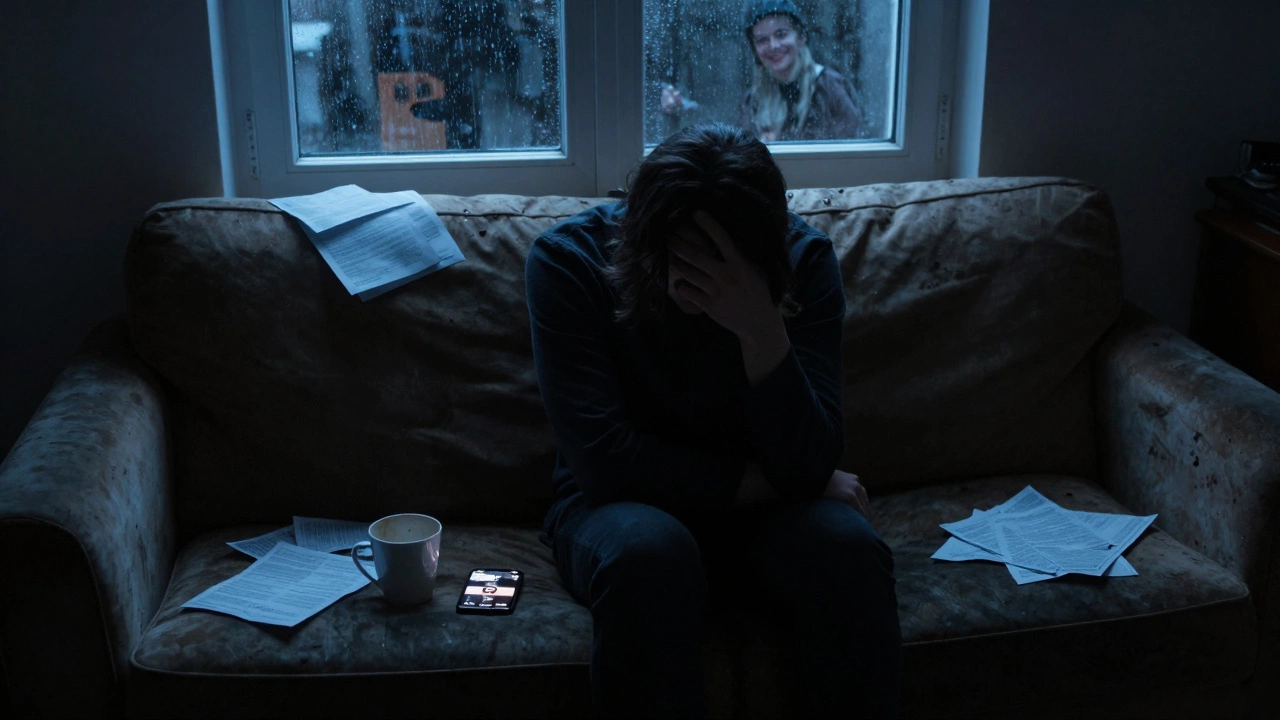
Stress and Mental Health: What Really Helps and What Doesn’t
When you’re stuck in a loop of worry, sleepless nights, and constant tension, it’s not just "being overwhelmed"—it’s your stress and mental health, the interconnected state where ongoing pressure wears down your mind and body. Also known as chronic stress response, it doesn’t vanish when you take a deep breath. Left unaddressed, it can lead to anxiety, depression, and even physical illness. This isn’t about positive thinking or buying a fancy journal. It’s about recognizing how stress rewires your brain, changes your hormones, and quietly steals your energy over weeks or months.
Many people think anxiety, a persistent feeling of dread or unease that doesn’t go away even when there’s no clear threat is just nerves. But anxiety isn’t something you can talk yourself out of. It’s a real physiological state—your nervous system stuck on high alert. And when anxiety and stress team up with depression, a deep, lasting low mood that drains motivation, sleep, and joy, it creates a cycle that’s hard to break alone. You might not cry. You might still go to work. But you feel empty, exhausted, or numb. That’s not weakness. That’s your body signaling it’s been under too much pressure for too long.
What helps? Not more caffeine. Not scrolling through memes at 2 a.m. Real relief comes from small, consistent actions: talking to someone who listens without fixing, moving your body even if it’s just walking around the block, and learning to say no without guilt. The posts below don’t offer quick fixes. They show how people actually cope—with therapy, with support networks, with changes to their daily routines. You’ll find stories about helping someone who’s struggling mentally, how NHS waits affect mental health, and why painkillers don’t fix emotional exhaustion. These aren’t abstract ideas. They’re lived experiences. What you read here won’t erase your stress, but it might help you stop blaming yourself for feeling it—and start taking real steps forward.