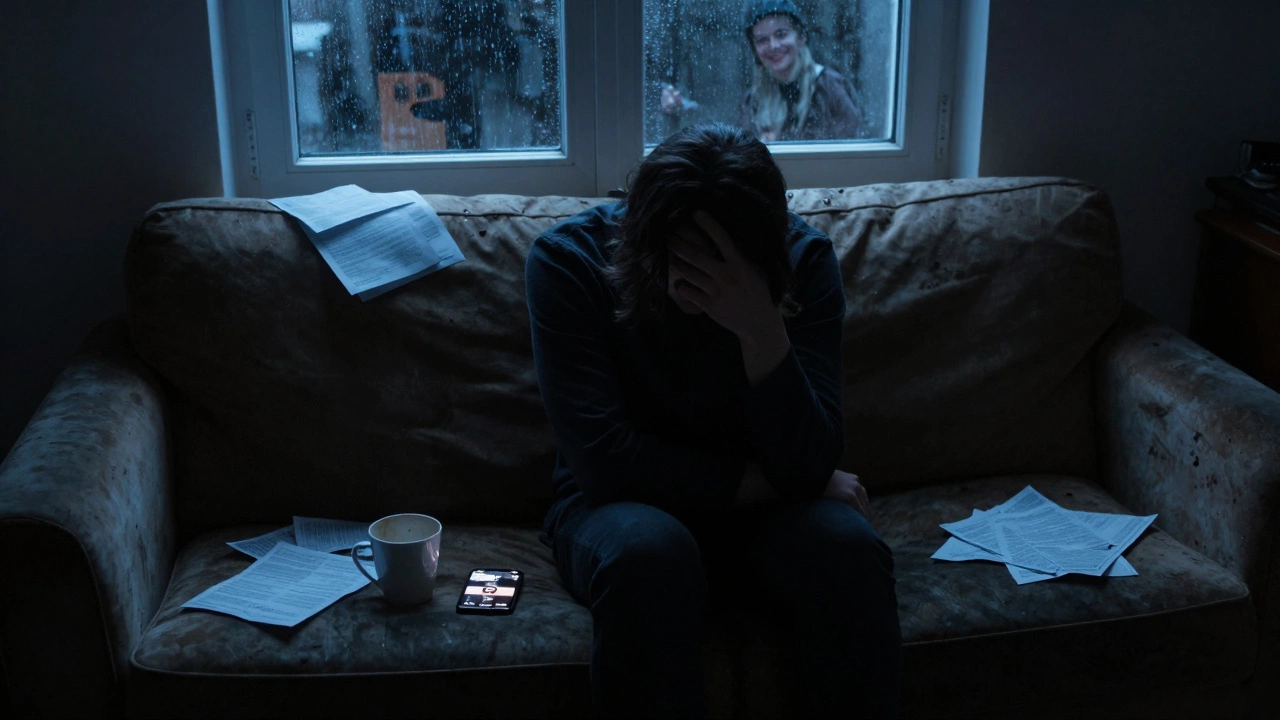
Everyone has bad days. But when low mood, anxiety, or numbness stick around for weeks or months, it’s not just stress-it’s your mental health slipping. And sometimes, the things making it worse aren’t obvious. They’re hidden in daily routines, quiet choices, or even well-meaning advice. You might not realize you’re feeding the cycle until it’s too late.
Chronic Stress Without Relief
Stress isn’t always the enemy. A little pressure can push you to meet a deadline or run faster. But when stress never turns off-when you’re juggling unpaid bills, a toxic job, or caring for a sick relative with no break-it rewires your brain. Your body stays stuck in fight-or-flight mode. Cortisol levels stay high. Sleep gets ruined. Your nervous system doesn’t get a chance to reset.
In Dublin, I’ve seen people working two jobs just to keep up with rent, skipping meals to save money, and then wondering why they feel empty all the time. Stress isn’t the problem-it’s the lack of recovery. Without sleep, movement, or real rest, your mind starts to break down. No amount of deep breathing will fix that if the source never changes.
Isolation and Loneliness
Humans aren’t built to go it alone. Even the most introverted people need connection. But loneliness doesn’t mean being physically alone. You can be surrounded by people and still feel utterly disconnected. That’s the quiet killer.
Social media makes this worse. Scrolling through perfect vacations, happy couples, and career wins creates a false comparison. You start believing everyone else has it together-except you. So you pull back. You stop texting back. You cancel plans. Then the silence grows. And with it, the sense that no one cares. Or worse-that you’re the problem.
Studies from Trinity College show that prolonged loneliness increases the risk of depression by nearly 50%. It’s not just sadness. It’s a biological signal that you’re unsafe. Your body reacts like you’re under threat-even if no one is chasing you.
Substance Use as a Coping Tool
Alcohol, weed, sleeping pills, or even too much caffeine can feel like quick fixes. A drink to unwind. A joint to quiet the noise. A pill to sleep through the night. They work-for a little while.
But they don’t fix the root. They mask it. And over time, your brain starts needing more just to feel normal. You stop sleeping naturally. Your mood swings get wilder. You lose interest in things you used to love. What started as relief becomes a trap. And when you try to stop, withdrawal can make anxiety and depression spike even higher.
In Ireland, alcohol use is deeply woven into social life. But when it’s your only way to handle stress, it’s not a habit-it’s a symptom. And it’s one that makes everything else harder to fix.
Neglecting Physical Health
Your brain doesn’t live in a vacuum. It runs on blood, oxygen, glucose, and hormones. If your body is running on empty, your mind pays the price.
Skip meals? Your blood sugar crashes. That leads to irritability, brain fog, and panic attacks. Don’t move? Your body stops producing endorphins-the natural mood lifters. Sleep poorly? Your amygdala (the fear center) goes into overdrive. You start seeing danger everywhere-even in harmless situations.
I’ve talked to people who say, “I can’t afford to go to the gym,” or “I don’t have time to eat properly.” But what they’re really saying is, “My mental health doesn’t matter enough to prioritize.” That mindset feeds the cycle. You can’t heal your mind if your body is starving, exhausted, or poisoned.
Toxic Relationships and Emotional Abuse
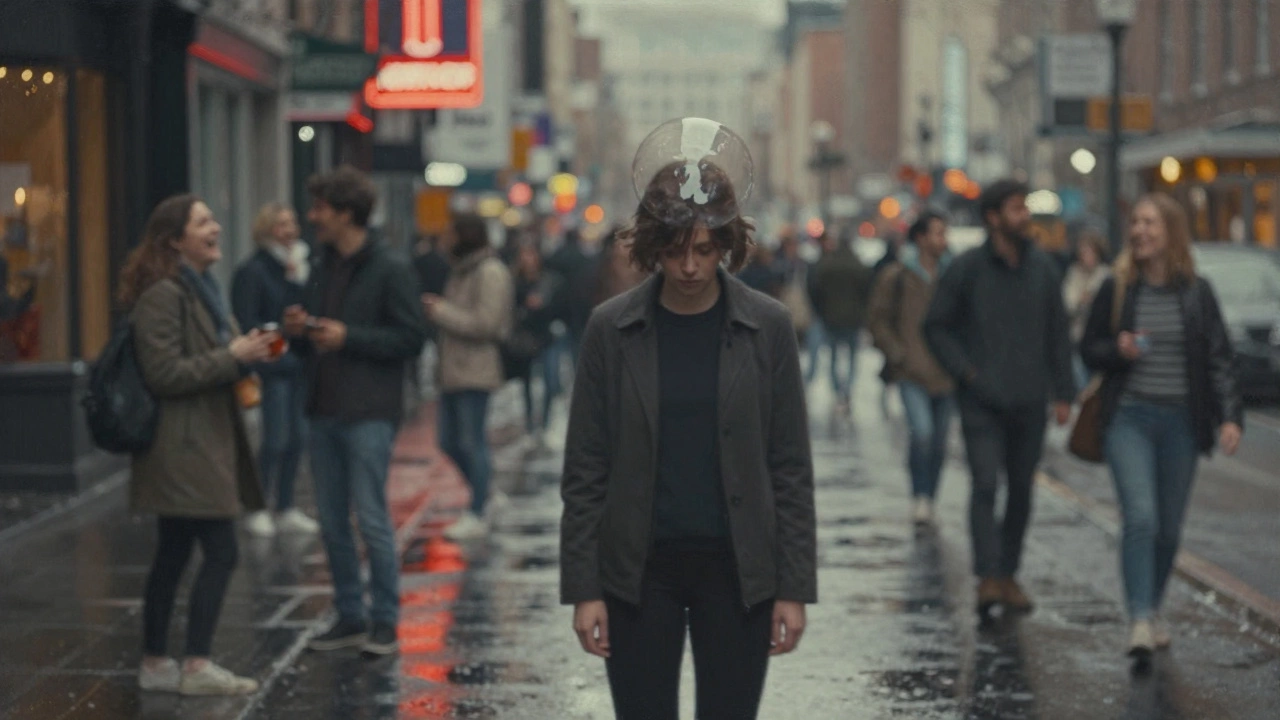
Not all abuse is yelling or hitting. Sometimes it’s silent. A partner who mocks your dreams. A parent who says, “You’re too sensitive.” A friend who only calls when they need something. A boss who takes credit for your work and blames you for everything else.
These aren’t just “bad days.” They’re slow erosion. Over time, you start believing the lies: You’re too much. You’re not enough. You’re the problem. Your self-worth gets chipped away until you don’t recognize yourself anymore.
Emotional abuse doesn’t leave bruises. But it leaves scars deeper than any physical wound. And because it’s often invisible, it’s harder to name. That’s why so many people stay stuck-they don’t realize they’re being harmed.
Unprocessed Trauma
Some wounds never heal because they’re never addressed. A childhood where you were ignored. A loss you never grieved. A betrayal you buried to “move on.” Trauma doesn’t disappear just because you stop talking about it. It hides in your body-in tension, nightmares, panic attacks, or sudden rage.
People often think trauma means war or violence. But it’s also growing up with a parent who was always angry. Or being bullied in school and told to “toughen up.” Or being gaslit by someone you trusted. These experiences change how your brain processes safety, trust, and love.
Ignoring trauma doesn’t make it go away. It just makes it louder. And it often shows up as anxiety, depression, or self-sabotage-things that feel random until you trace them back.
Perfectionism and Constant Self-Criticism
“I should’ve done better.” “Why can’t I just be normal?” “Everyone else is handling this fine.” These thoughts aren’t just negative-they’re destructive. Perfectionism isn’t about high standards. It’s about fear. Fear of failure. Fear of judgment. Fear of being exposed as a fraud.
People who beat themselves up constantly are living in a war zone inside their own heads. Every mistake is a catastrophe. Every slip-up is proof they’re not good enough. There’s no rest. No grace. No room to breathe.
This mindset doesn’t come from nowhere. It’s often learned-from parents, teachers, or society. And it’s one of the most common hidden causes of burnout and depression. You’re not lazy. You’re exhausted from fighting yourself.

Financial Instability and Uncertainty
Money isn’t just about bills. It’s about safety. Control. Dignity. When you’re constantly worried about rent, medical costs, or whether you’ll have enough to eat, your brain stays on high alert. There’s no mental space left for joy, creativity, or peace.
In 2025, with inflation still pressing down on wages, many people in Ireland are choosing between medication and groceries. That kind of pressure doesn’t just cause stress-it rewires your brain to expect crisis. You stop planning for the future because you don’t believe there will be one.
Financial stress doesn’t just hurt your bank account. It steals your hope. And hope is the first thing that goes when mental health declines.
What Can You Do When You Recognize These Triggers?
Knowing what’s hurting you is the first step. But you don’t have to fix everything at once. Start small.
- If you’re isolated, text one person today-even just “Hey, thinking of you.”
- If you’re using substances to cope, try replacing one drink with tea and a walk.
- If you’re stuck in self-criticism, write down one thing you did well this week. No matter how small.
- If you’re in a toxic relationship, set one boundary. Say no. Walk away. Call a helpline.
Healing isn’t about becoming someone new. It’s about giving yourself permission to be human. To rest. To need help. To not be okay.
When to Seek Professional Help
You don’t need to wait until you’re broken to reach out. If you’ve been feeling this way for more than two weeks, or if your daily life is slipping away-work, relationships, sleep, appetite-it’s time to talk to someone.
Therapy isn’t for “crazy people.” It’s for people who are tired of fighting alone. In Ireland, services like Mental Health Ireland and Pieta House offer free or low-cost support. Your GP can refer you. You don’t need a diagnosis to ask for help.
Asking for help isn’t weakness. It’s the bravest thing you can do.