
Chronic Pain Sensitivity Simulator
Explore how the state of your nervous system changes the way you experience everyday stimuli. Adjust the sliders to see how central sensitization amplifies pain signals, disrupts sleep, and affects cognitive function.
Nerve Sensitivity
Level of Central SensitizationSleep Quality
Restorative Rest IndexCognitive Clarity
Focus & Brain Fog LevelYour nervous system is in a heightened state. Mild stimuli may feel uncomfortable, and recovery from stressors is slower than normal.
Imagine your alarm system. Normally, it only rings when there is a real fire. But what if it starts ringing every time you walk past a hot cup of coffee, or even when the air conditioning kicks in? That is essentially what happens when chronic pain is a persistent condition where the nervous system remains in a state of high alert, often long after the initial injury has healed. It is not just 'feeling hurt'; it is a fundamental rewiring of how your brain and spine process signals.
When pain persists beyond the normal healing period-typically three to six months-it stops being a useful warning sign and becomes a disease in itself. Your body does not just remember the pain; it amplifies it. This shift from nociceptive pain (tissue damage) to neuropathic or centralized pain changes everything about how you live, sleep, and think.
The Nervous System Goes Into Overdrive
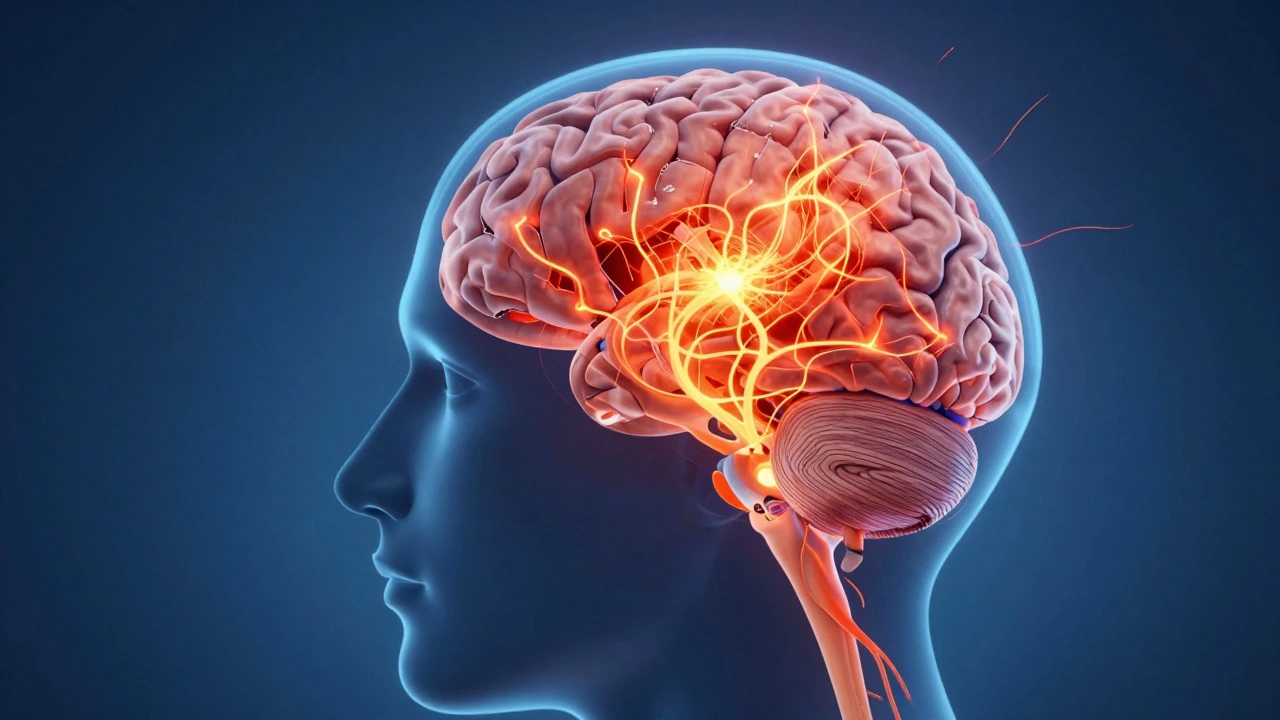
To understand why chronic pain feels so intense, we have to look at the hardware: your nerves. In acute pain, sensory neurons send a signal up the spinal cord to the brain. The brain says, "Ouch, stop doing that," and then turns the volume down once the threat is gone. In chronic pain, this volume knob gets stuck.
This phenomenon is known as central sensitization is a state of heightened reactivity within the central nervous system, leading to an exaggerated response to stimuli. Neurons in the spinal cord become hyper-excitable. They start firing spontaneously, sending pain signals to the brain even when nothing is actually hurting you. A light touch that used to feel like a caress now feels like sandpaper. This is called allodynia.
- Hyperalgesia: Increased sensitivity to painful stimuli. What used to be a mild pinch now feels like a sharp stab.
- Allodynia: Pain from non-painful stimuli. Brushing against bedsheets or wearing soft cotton can trigger waves of discomfort.
- Pain Radiation: Pain spreads to areas far from the original injury site due to cross-talk between nerve fibers in the spinal cord.
Brain Changes: More Than Just Mental
You might think chronic pain is "all in your head" because the brain is involved, but neuroimaging studies prove otherwise. Chronic pain physically alters brain structure. The amygdala, which processes fear and emotion, often shrinks or becomes overactive. Meanwhile, the prefrontal cortex, responsible for logic and decision-making, struggles to keep up with the constant noise of pain signals.
This creates a vicious cycle. The brain interprets pain as a threat, triggering the release of stress hormones like cortisol and adrenaline. These hormones further sensitize nerve endings, making the pain worse. It is a biological feedback loop that keeps you in survival mode, day after day.
| Feature | Acute Pain | Chronic Pain |
|---|---|---|
| Duration | Less than 3-6 months | More than 3-6 months |
| Function | Protective warning signal | Dysfunctional, self-perpetuating |
| Nerve State | Normal signaling | Hyper-excitable, sensitized |
| Response to Touch | Normal sensation | Allodynia (pain from light touch) |
| Brain Activity | Localized processing | Widespread, emotional involvement |
The Physical Toll on the Body
It is not just your nerves and brain that suffer. Chronic pain forces your entire body into a defensive posture. Muscles tense up to protect perceived vulnerable areas. Over time, this leads to muscle atrophy and joint stiffness. Your posture changes-you might hunch over to guard your back or limp to save your knee. These compensatory movements create new injuries, adding layers of pain on top of the original issue.
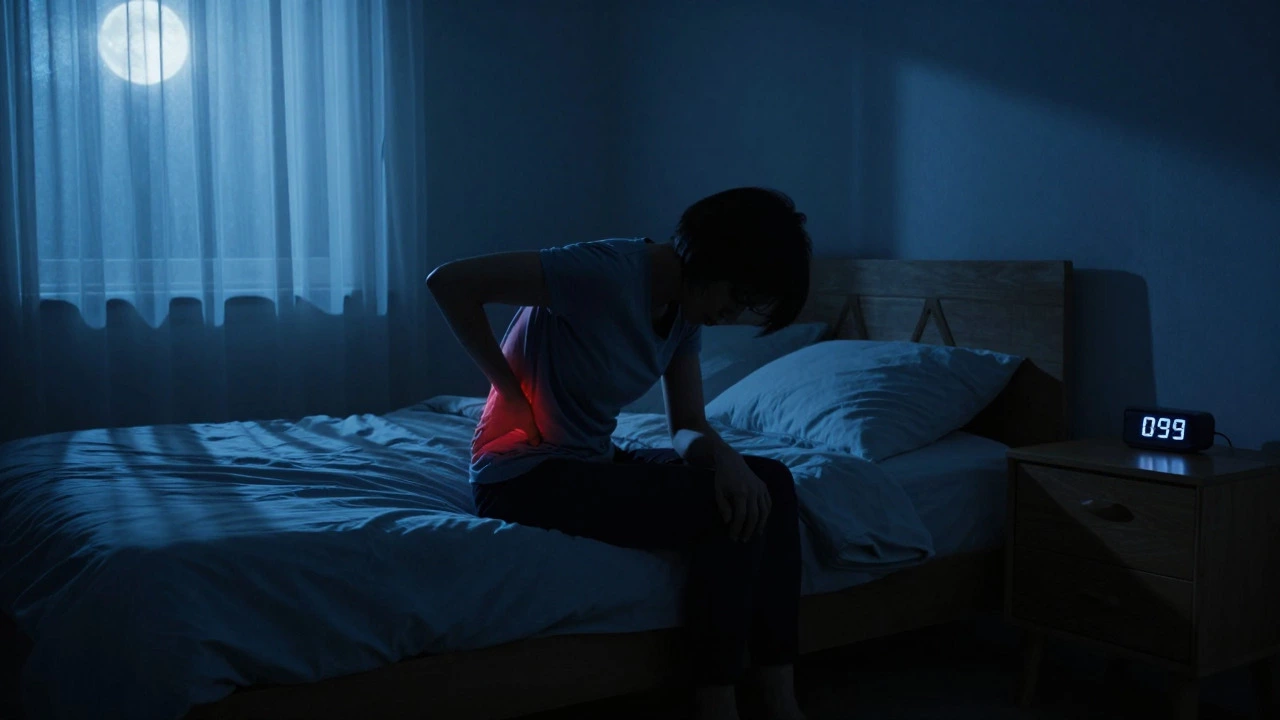
Sleep suffers significantly. Deep sleep is when the body repairs tissue and resets the nervous system. If you are in pain, you rarely reach deep sleep. This lack of restorative rest lowers your pain threshold the next day, making you more sensitive to pain. It is a domino effect: pain causes poor sleep, poor sleep increases pain sensitivity, and increased pain disrupts sleep further.
Mental Health and Cognitive Impact
Living with constant pain is exhausting. It drains cognitive resources. You find it harder to concentrate, remember things, or make decisions. This is sometimes called "brain fog." Because your brain is busy processing pain signals, less bandwidth is left for work, socializing, or hobbies.
Emotionally, the isolation sets in. Friends may not understand why you canceled plans again. Family members might get frustrated by the need for care. This social withdrawal can lead to depression and anxiety, which, ironically, lower the pain threshold even further. The connection between mental health and physical pain is bidirectional and powerful.
How Treatment Approaches Have Shifted
For decades, the go-to solution was opioids. While effective for short-term post-surgical pain, they often fail in chronic cases because they do not address the underlying sensitization. In fact, long-term opioid use can sometimes cause a condition called opioid-induced hyperalgesia, where patients become *more* sensitive to pain despite taking higher doses.
Modern chronic pain treatment is a multidisciplinary approach combining medication, physical therapy, and psychological support to manage symptoms and improve quality of life now focuses on a multi-modal strategy. This includes:
- Medication Adjustment: Using antidepressants or anticonvulsants (like gabapentin) that calm nerve firing rather than just blocking pain signals.
- Physical Therapy: Gentle movement to desensitize the nervous system and restore function without causing flare-ups.
- Cognitive Behavioral Therapy (CBT): Helping patients change their relationship with pain, reducing the fear-avoidance cycle.
- Lifestyle Changes: Improving sleep hygiene, nutrition, and stress management to lower systemic inflammation.
Practical Steps for Managing Daily Life
If you or someone you know is dealing with this, here are some actionable steps that can help break the cycle:
- Track Triggers: Keep a simple log of what makes the pain worse. Is it certain foods? Stress levels? Specific activities? Patterns will emerge.
- Pace Yourself: Avoid the "boom and bust" cycle of pushing through pain until you crash. Set realistic daily goals and take breaks before you hit the limit.
- Stay Active: Movement is medicine. Even gentle walking or swimming can help reduce central sensitization over time.
- Seek Specialist Care: General practitioners are great, but pain specialists understand the complex biology of chronic pain better. Look for clinics that offer multidisciplinary care.
Understanding that your pain is a physiological reality, not a weakness, is the first step toward managing it effectively. It changes the conversation from "why can't you just get over it?" to "how do we treat this condition?"
Is chronic pain caused by weak willpower?
No. Chronic pain is a medical condition involving changes in the nervous system. It is not a character flaw or a result of poor effort. Neurological evidence shows that the pain pathways are physically altered, requiring specific medical management rather than just positive thinking.
Can chronic pain ever go away completely?
While complete remission is possible for some, many people learn to manage the condition so well that it no longer dominates their lives. The goal of modern treatment is functional improvement and quality of life, not necessarily zero pain. Many patients report significant reductions in intensity and frequency with proper multidisciplinary care.
Why does touching my skin hurt if there is no visible injury?
This is likely allodynia, a symptom of central sensitization. Your spinal cord nerves have become so sensitive that they interpret normal touch signals as pain signals. It is a hallmark of chronic neuropathic pain conditions and responds well to medications that calm nerve activity.
Are opioids good for chronic pain?
They are generally not recommended as a first-line treatment for long-term chronic pain. While they may provide temporary relief, they carry risks of dependency and can worsen pain sensitivity over time (opioid-induced hyperalgesia). Non-opioid strategies are usually more effective for long-term management.
How does sleep affect chronic pain?
Poor sleep lowers your pain threshold, making you more sensitive to pain. Conversely, pain disrupts sleep. Breaking this cycle is crucial. Treating sleep disorders (like insomnia or apnea) alongside pain can lead to significant improvements in overall pain levels and energy.