Antibiotic Gut-Impact Analyzer
Select the antibiotic class prescribed to understand its potential impact on your microbiome and see recommended recovery steps.
Penicillins
Low to ModerateNarrow Spectrum
Clindamycin
Very HighBroad/Anaerobic
Cephalosporins
HighBroad Spectrum
Fluoroquinolones
HighVery Broad
Analysis for -
Primary Risks:
-
Recovery Roadmap:
Key Takeaways for Your Gut
- Broad-spectrum antibiotics cause the most widespread damage to gut flora.
- Clindamycin and Cephalosporins are notorious for triggering C. diff infections.
- Recovery requires more than just a random probiotic; it needs prebiotic fibers and patience.
- Always discuss "gut-sparing" alternatives with your doctor during your consultation.
The Broad-Spectrum Blowout
To understand why some drugs are worse than others, we have to look at the range. Broad-spectrum antibiotics is a class of antimicrobial agents designed to act against a wide range of disease-causing bacteria. While these are great when a doctor isn't sure exactly what is making you sick, they are the primary culprits for gut devastation.
Think of your gut as a rainforest. A narrow-spectrum antibiotic is like a targeted weed-killer that only hits one type of invasive plant. A broad-spectrum drug is a wildfire. It clears everything. When you lose those diverse bacterial species, you create a biological vacuum. This allows opportunistic pathogens, which aren't suppressed by the medication, to move in and take over the neighborhood. This state of imbalance is what experts call Dysbiosis, a condition where the composition of the gut microbiota is altered, leading to an overgrowth of harmful bacteria.
The Top Offenders: Which Drugs Do the Most Damage?
Not all antibiotics are created equal. Some are practically "gut-wreckers" because of how they interact with the intestinal lining and the specific species they target. If you are reviewing your prescription during an antibiotics gut health discussion with a provider, keep an eye out for these specific families.
Clindamycin is a lincosamide antibiotic often used for skin and soft tissue infections. It is widely regarded as one of the most disruptive drugs for the colon. Because it aggressively clears out the anaerobic bacteria that normally keep the gut in check, it leaves the door wide open for Clostridioides difficile (C. diff) to bloom. In some clinical settings, the risk of a C. diff infection after taking Clindamycin is significantly higher than with other agents.
Then we have Cephalosporins, a large group of beta-lactam antibiotics derived from the fungus Cephalosporium. While highly effective for pneumonia or surgical prophylaxis, certain generations of these drugs can wipe out a huge portion of the protective mucus layer in the gut. This makes the intestinal wall more permeable, which can lead to systemic inflammation.
We also can't forget Fluoroquinolones (like Ciprofloxacin). These are powerful, but they are "heavy hitters." Beyond just killing bacteria, some research suggests they can alter the mitochondrial function of the host cells, leading to a longer recovery period for the gut lining compared to simpler penicillins.
| Antibiotic Class | Target Range | Gut Impact Level | Primary Risk |
|---|---|---|---|
| Penicillins (Narrow) | Specific/Limited | Low to Moderate | Mild bloating / Yeast overgrowth |
| Clindamycin | Broad/Anaerobic | Very High | Severe C. diff colitis |
| Cephalosporins | Broad | High | Microbiome depletion / Inflammation |
| Fluoroquinolones | Very Broad | High | Long-term dysbiosis / Tendon issues |
The C. Diff Nightmare
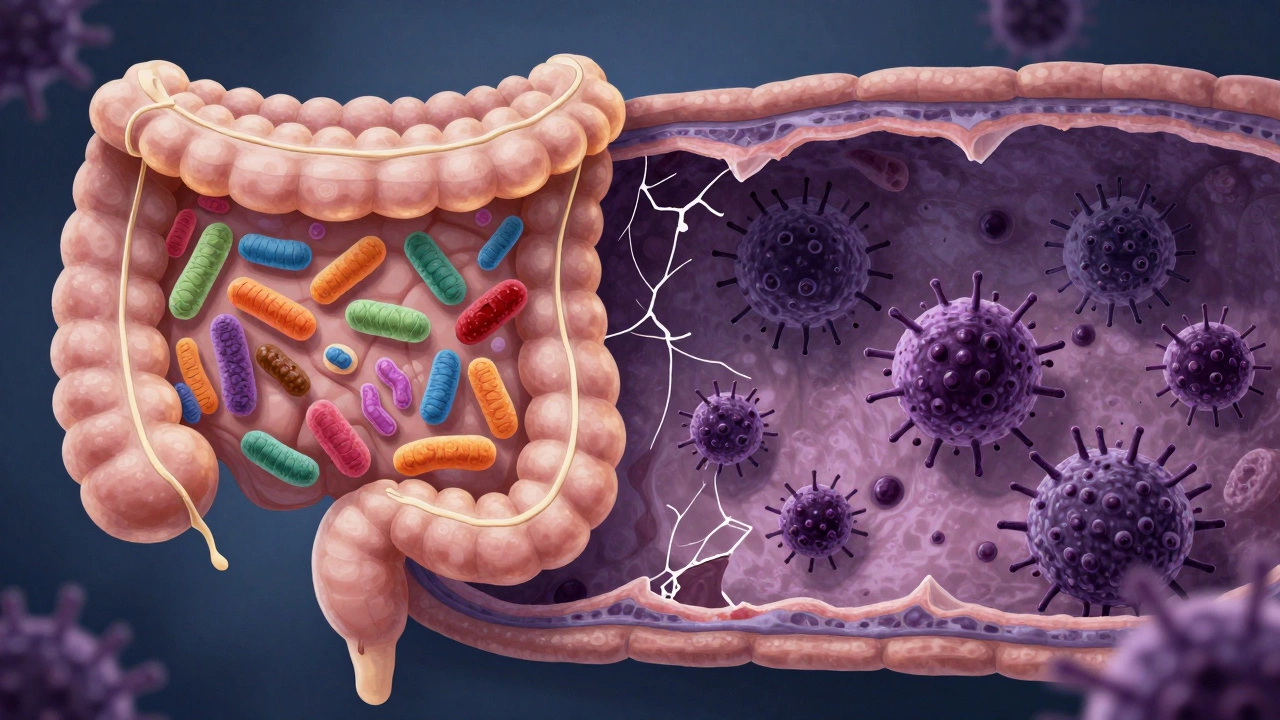
When we talk about the "worst" antibiotics, we usually mean the ones that lead to Clostridioides difficile, a spore-forming bacterium that causes severe inflammation of the colon (colitis). Most healthy people have a small amount of C. diff in their system, but it's kept in check by a diverse army of other bacteria.
When a broad-spectrum drug kills that army, C. diff starts producing toxins. These toxins attack the lining of the colon, causing watery diarrhea, intense abdominal pain, and fever. It is a vicious cycle: you take an antibiotic for an infection, it kills your gut flora, you get C. diff, and then you have to take another round of specialized antibiotics to kill the C. diff. This is why choosing the most targeted drug possible is so critical during your initial diagnosis.
How to Protect Your Gut During and After Treatment
You can't just ignore the damage and hope it fixes itself. While the gut is resilient, some species of bacteria may never return to their original levels without help. The goal isn't just to "add bacteria" but to create an environment where the right bacteria want to live.
First, timing is everything. If you take a probiotic pill at the exact same time as your antibiotic, the drug will simply kill the probiotic bacteria before they can do anything. It is a waste of money. Instead, space them out by at least three to four hours, or better yet, focus on heavy probiotic intake after the course is finished.
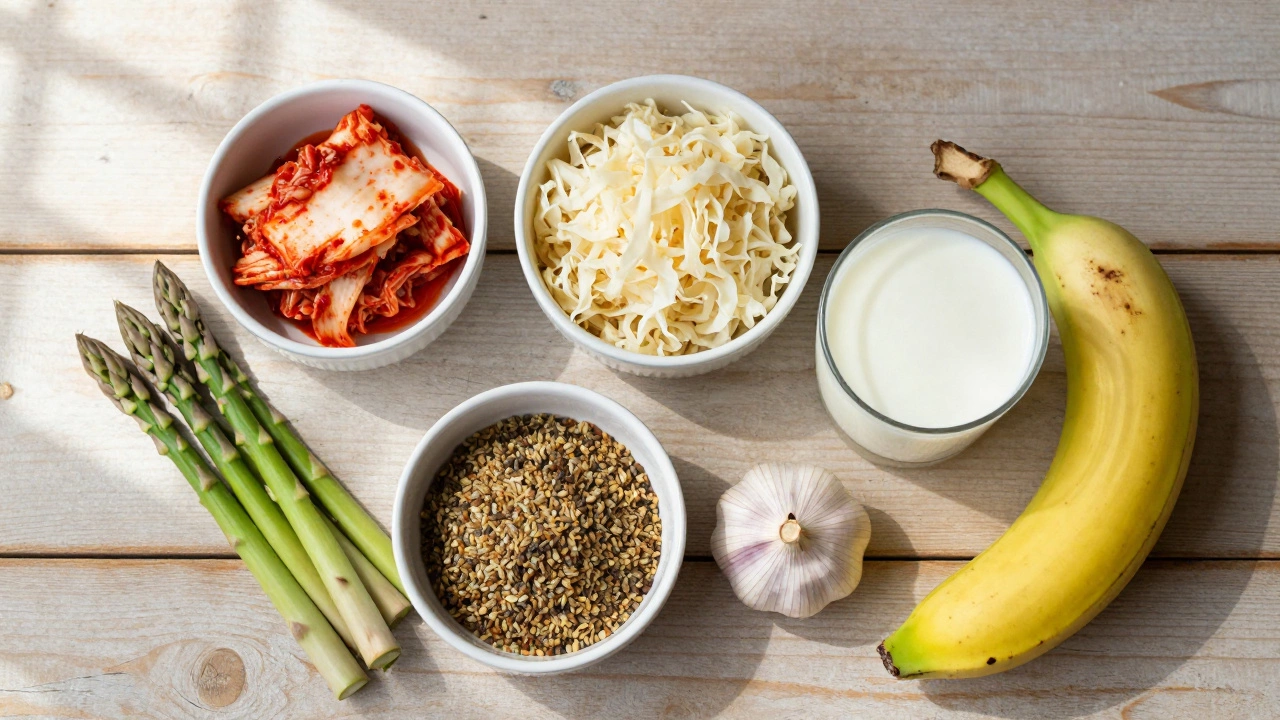
Second, feed the survivors. Prebiotics are non-digestible fibers that act as food for beneficial gut bacteria. Think of them as fertilizer. Eating garlic, onions, asparagus, and slightly under-ripe bananas provides the fuel your remaining good bacteria need to multiply and reclaim the territory from pathogens.
Finally, consider fermented foods. While supplements are easy, foods like kefir, sauerkraut, and kimchi offer a wider variety of bacterial strains than a single-strain capsule. This diversity is the key to a "stable" gut. If you're recovering from a heavy hitter like Clindamycin, a diet rich in diverse fibers and fermented veg is your best bet for a full recovery.
When to Consult a Professional
Knowing when to call a doctor is the difference between a mild stomach ache and a medical emergency. If you notice your stool becoming mucusy or bloody, or if you develop a fever after finishing your meds, don't wait. These are hallmarks of a secondary infection.
During an online consultation, be specific. Instead of saying "my stomach feels weird," tell the doctor: "I just finished a 10-day course of Ciprofloxacin and now I have persistent watery diarrhea." This helps the provider differentiate between a simple side effect and a serious case of colitis. They might suggest a stool test or a specific probiotic strain like Saccharomyces boulardii, which is a yeast-based probiotic that isn't killed by antibiotics, making it a great companion during treatment.
Can my gut ever fully recover after strong antibiotics?
For most people, yes, but it takes time. While the majority of the microbiome recovers within a few months, some rare species may take years to return or may disappear entirely. To speed up the process, focus on a high-fiber diet and fermented foods to encourage biodiversity.
Are all broad-spectrum antibiotics equally bad for the gut?
No. The level of damage depends on the "spectrum" of the drug. Some broad-spectrum drugs target a wider array of anaerobic bacteria than others. For instance, Clindamycin is generally more disruptive to the colonic flora than some first-generation cephalosporins.
Should I take probiotics while I'm still taking antibiotics?
It can be helpful, but only if you use the right kind. Most bacterial probiotics are killed by the antibiotics. However, yeast-based probiotics like Saccharomyces boulardii can survive the treatment and help prevent antibiotic-associated diarrhea. Always space your doses apart by several hours.
What are the signs of C. diff after antibiotics?
Watch for frequent, watery diarrhea (often with a distinct, foul odor), severe abdominal cramping, fever, and nausea. If these symptoms appear after a course of antibiotics, contact a healthcare provider immediately for a stool sample test.
Can I ask my doctor for a "gut-friendly" antibiotic?
Absolutely. During your consultation, you can ask if a narrow-spectrum antibiotic is appropriate for your specific infection. If the doctor knows exactly what bacteria is causing the issue, they can prescribe a more targeted drug that leaves your healthy gut flora alone.
Next Steps for Recovery
If you've just finished a round of heavy antibiotics, don't rush back into a restrictive diet. Your gut is in a fragile state. Start with "safe" prebiotic foods like cooked carrots or steamed asparagus before moving to raw cruciferous vegetables, which can be hard on a damaged lining. If you experience persistent bloating, it might be a sign of SIBO (Small Intestinal Bacterial Overgrowth), a common post-antibiotic complication that requires a different approach to treatment. When in doubt, a quick follow-up with your provider can ensure your microbiome is heading back in the right direction.