
Chronic Pain Medication Guide
Recommended Approach
Living with chronic pain is exhausting. It’s not just the physical sensation; it’s the mental fatigue of constantly managing your body’s distress signals. When you’ve been in pain for months or years, the temptation to reach for the strongest pill available is understandable. But here’s the hard truth: there is no single "best" painkiller for everyone. In fact, many drugs that work wonders for a broken leg can cause serious damage if taken daily for years.
The goal of long-term pain management isn’t just to silence the pain-it’s to improve your quality of life without trading one problem for another. This means avoiding severe side effects like stomach bleeding, liver damage, or addiction. Finding the right medication requires a careful balance between efficacy and safety, tailored specifically to what is causing your pain.
Before we get into the specific medications, it helps to understand why pain persists. Acute pain is a warning signal-your foot steps on a nail, your brain screams "stop." Chronic pain is different. The alarm system is broken. The injury might have healed, but the nerves are still firing signals. Because the mechanism is different, the treatment must be different too. Standard painkillers often fail because they target inflammation or acute nerve signals, not the rewired pathways of chronic pain.
Why don't standard painkillers work for chronic pain?
Standard painkillers like ibuprofen target inflammation and acute tissue damage. Chronic pain often involves central sensitization, where the nervous system becomes overly sensitive. Drugs that calm nerve activity, rather than just reduce swelling, are usually more effective for long-term conditions.
Understanding the Types of Chronic Pain
To pick the right drug, you first need to know what kind of pain you’re dealing with. Doctors generally categorize chronic pain into two main types: nociceptive and neuropathic. Getting this wrong is the most common reason people end up on medications that don’t work.
Nociceptive pain comes from damaged tissues. Think arthritis, back strain, or old injuries. This type of pain responds well to anti-inflammatories and certain muscle relaxants. Osteoarthritis is a degenerative joint disease where cartilage breaks down, causing bone-on-bone friction and inflammation. For this, reducing inflammation is key.
Neuropathic pain, on the other hand, is caused by damaged nerves. Conditions like diabetic neuropathy, shingles (postherpetic neuralgia), or sciatica fall into this bucket. If you feel burning, tingling, or electric shocks, it’s likely neuropathic. Here’s the catch: standard painkillers like acetaminophen or ibuprofen rarely touch this kind of pain. You need drugs that change how your brain processes nerve signals.
If you are navigating complex health issues while managing other aspects of life, such as travel or social engagements, having reliable resources can help. For instance, some individuals seek discreet companionship during stressful times, and platforms like this directory offer verified profiles for those seeking such services in Dubai, though this is unrelated to medical advice.
First-Line Defenses: NSAIDs and Acetaminophen
For mild to moderate nociceptive pain, doctors usually start with non-opioid options. These are widely available and generally safe for short bursts, but long-term use requires caution.
NSAIDs (Non-Steroidal Anti-Inflammatory Drugs) include ibuprofen, naproxen, and diclofenac. They block enzymes called COX-1 and COX-2, which produce prostaglandins-the chemicals that cause pain and swelling. While effective, long-term daily use carries risks. The biggest concern is gastrointestinal bleeding. Prostaglandins also protect your stomach lining, so blocking them can lead to ulcers. Kidney function can also decline with prolonged high-dose use.
Acetaminophen (paracetamol) works differently. It doesn’t reduce inflammation much, but it raises the pain threshold in the brain. It’s easier on the stomach than NSAIDs, but it’s tough on the liver. Taking more than 4,000 mg a day (and sometimes less, depending on your health) can cause acute liver failure. Many cold medicines contain acetaminophen, so it’s easy to accidentally overdose if you’re not tracking your intake.
Pro Tip: If you need daily NSAID coverage, ask your doctor about a proton pump inhibitor (PPI) like omeprazole to protect your stomach. Regular blood tests to check kidney and liver function are also essential for anyone on these meds long-term.
Neuropathic Pain Specialists: Antidepressants and Anticonvulsants
This is where things get interesting. Some of the best long-term painkillers aren’t technically painkillers at all. They’re antidepressants and anti-seizure medications that happen to be excellent at calming overactive nerves.
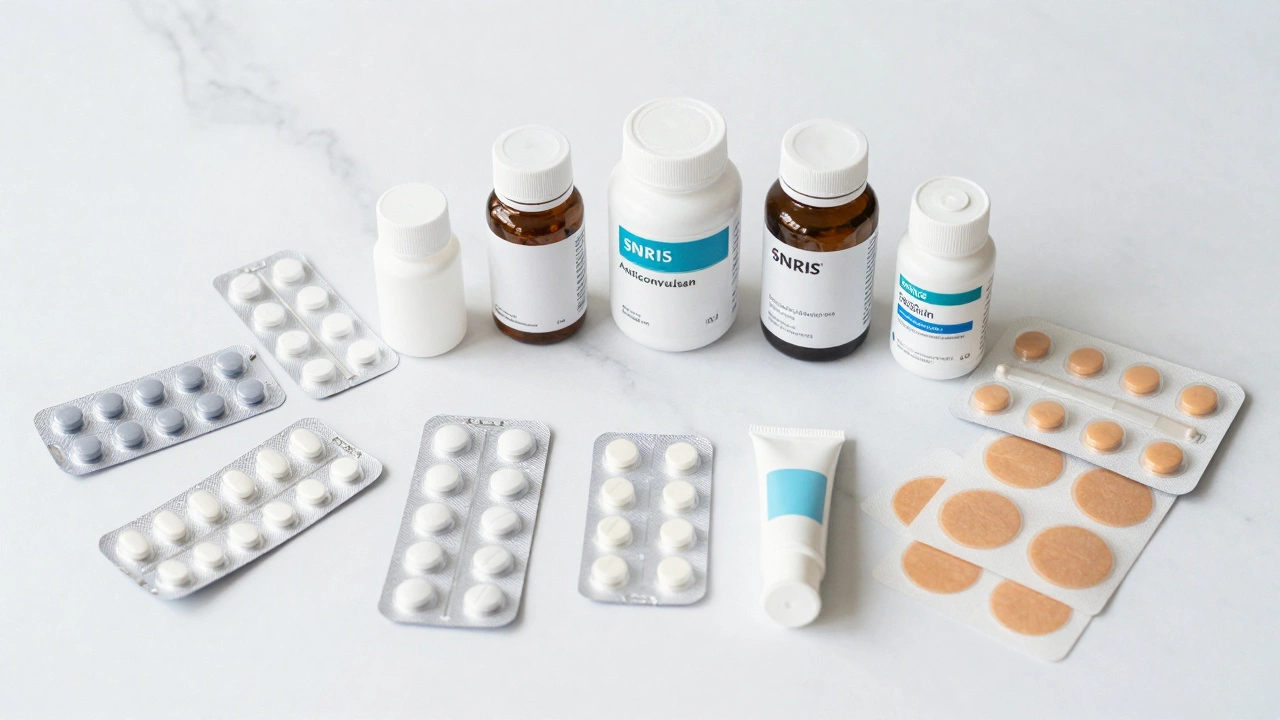
Duloxetine is an SNRI (Serotonin-Norepinephrine Reuptake Inhibitor). Originally designed for depression, it’s now a first-line treatment for fibromyalgia, diabetic neuropathy, and chronic musculoskeletal pain. It works by increasing serotonin and norepinephrine in the spinal cord, which helps inhibit pain signals. Unlike older antidepressants, duloxetine has a relatively manageable side effect profile, though nausea and dry mouth are common initially.
Amitriptyline is an older tricyclic antidepressant. It’s cheap, effective, and widely used for migraines and nerve pain. However, it’s sedating. Most doctors prescribe it at night to help with sleep, which is often disrupted by pain. Side effects can include weight gain, dry mouth, and dizziness, especially when standing up quickly.
For nerve pain, anticonvulsants like Pregabalin and Lyrica are medications that bind to calcium channels in the nervous system, reducing the release of neurotransmitters involved in pain signaling. Gabapentin is another option, often tried before pregabalin due to cost. These drugs can cause dizziness and brain fog, so starting low and going slow is crucial. They are particularly effective for postherpetic neuralgia and radicular pain (like sciatica).
The Opioid Dilemma: When Are They Appropriate?
Opioids are powerful. There’s no denying that. But their role in long-term chronic pain management has shrunk dramatically over the last decade. Why? Because the risks often outweigh the benefits for non-cancer pain.
Tolerance builds quickly. What worked for three weeks might do nothing after six months, leading patients to increase doses. This increases the risk of respiratory depression, constipation, hormonal imbalances, and addiction. Studies show that for many chronic pain conditions, opioids provide only modest improvement in function compared to non-opioid treatments.
That said, they aren’t banned. For some patients with severe pain who haven’t responded to other treatments, a low-dose opioid like tramadol or oxycodone might be part of a multimodal plan. If you’re prescribed opioids long-term, you should expect:
- Regular urine drug screens.
- Frequent follow-ups to assess function, not just pain scores.
- A clear agreement on what happens if the medication stops working.
Never mix opioids with benzodiazepines (like Xanax or Valium) unless explicitly directed by a specialist. The combination significantly increases the risk of fatal respiratory depression.
Topical Treatments: Less Systemic Risk
If your pain is localized-say, in your knees, hands, or lower back-topical treatments can be game-changers. Since the medication stays in the skin and underlying tissue, very little enters your bloodstream. This means fewer systemic side effects.
Lidocaine patches are FDA-approved for postherpetic neuralgia. They numb the area temporarily, providing relief without drowsiness. Capsaicin cream (derived from chili peppers) depletes substance P, a neurotransmitter involved in pain transmission. It burns when you first apply it, but with regular use, it can provide lasting relief for osteoarthritis and neuropathy.
Newer topical NSAIDs, like diclofenac gel, are highly effective for knee and hand osteoarthritis. Research shows they can be as effective as oral NSAIDs for joint pain but with a fraction of the gastrointestinal risk.
Comparison of Common Long-Term Pain Medications
| Medication Class | Best For | Key Risks/Side Effects | Long-Term Safety Profile |
|---|---|---|---|
| NSAIDs (Ibuprofen) | Inflammatory pain, Arthritis | Stomach ulcers, Kidney strain | Moderate (with monitoring) |
| Acetaminophen | Mild general pain | Liver toxicity | Good (if dose limited) |
| SNRIs (Duloxetine) | Neuropathic pain, Fibromyalgia | Nausea, Dry mouth | High |
| Anticonvulsants (Gabapentin) | Nerve pain, Sciatica | Dizziness, Brain fog | High |
| Opioids (Tramadol) | Severe breakthrough pain | Addiction, Constipation | Low (requires strict oversight) |
| Topicals (Lidocaine) | Localized nerve/joint pain | Skin irritation | Very High |

Beyond Pills: Multimodal Pain Management
Relying solely on medication is rarely the best strategy for chronic pain. The most successful patients combine drugs with non-pharmacological approaches. This is called multimodal therapy, and it allows you to use lower doses of each medication, reducing side effects.
Physical Therapy is cornerstone. Strengthening the muscles around painful joints reduces the load on them. Movement releases endorphins, your body’s natural painkillers. Cognitive Behavioral Therapy (CBT) helps reframe how you perceive pain. It doesn’t mean the pain is "in your head," but it does mean your brain’s interpretation of pain can be modified. Techniques like mindfulness and pacing activities can prevent flare-ups.
Interventional Procedures like epidural steroid injections or nerve blocks can provide longer-lasting relief for specific conditions like herniated discs or facet joint arthritis. These aren’t cures, but they can buy you time to engage in physical therapy.
Red Flags: When to Stop and See a Doctor
Your body will tell you if a medication isn’t working or is causing harm. Watch out for these signs:
- Black, tarry stools: A sign of internal bleeding from NSAIDs.
- Yellowing of skin/eyes: Potential liver damage from acetaminophen.
- Increased anxiety or confusion: Possible side effect of opioids or anticholinergics.
- Swelling in legs/feet: Could indicate kidney issues or fluid retention from gabapentin/pregabalin.
Never stop taking antidepressants or anticonvulsants abruptly. Withdrawal can be severe. Always taper under medical supervision.
Frequently Asked Questions
Can I take NSAIDs every day for arthritis?
Yes, but only under a doctor's supervision. Daily use increases the risk of stomach ulcers and kidney problems. Your doctor may prescribe a stomach protector (PPI) and monitor your blood pressure and kidney function regularly.
Are antidepressants addictive for pain?
No. Drugs like duloxetine and amitriptyline are not addictive in the way opioids are. However, your body does become dependent on them, meaning you cannot stop suddenly without withdrawal symptoms. Tapering is required.
What is the safest painkiller for elderly patients?
Topical treatments like lidocaine or diclofenac gel are often safest. Acetaminophen is also relatively safe if liver function is normal. NSAIDs are generally avoided in the elderly due to higher risks of bleeding and kidney failure.
Does gabapentin work for back pain?
It depends on the cause. Gabapentin is effective for radicular pain (nerve pain shooting down the leg) but has limited evidence for mechanical back pain (muscle/joint strain). Don't expect miracles if your pain isn't nerve-related.
How long does it take for nerve pain medications to work?
Unlike ibuprofen, nerve pain meds don't work instantly. It can take 2 to 6 weeks to find the right dose and experience full benefit. Patience and gradual dose increases are key.