Surgical Pain & Recovery Simulator
Recovery Forecast
Select a surgery to see details.
There is no single answer to which surgery hurts the most. Pain is subjective, shaped by your biology, your psychology, and the specific nerves involved in the procedure. However, medical literature and patient reports consistently point to a few procedures that rank at the top for intensity and duration of suffering.
If you are researching this because you or a loved one is facing a major operation, understanding what lies ahead can reduce anxiety. Knowing the difference between acute surgical pain and chronic post-operative discomfort helps you prepare better. It also helps you navigate the financial side of care, especially if you are considering private surgery cost options to access faster pain management protocols or specialized rehabilitation.
The Top Contenders for Most Painful Surgeries
Certain procedures involve cutting through muscle layers, manipulating sensitive organs, or fusing bones in ways that disrupt normal movement. Here are the surgeries most frequently cited by patients and surgeons as the most painful.
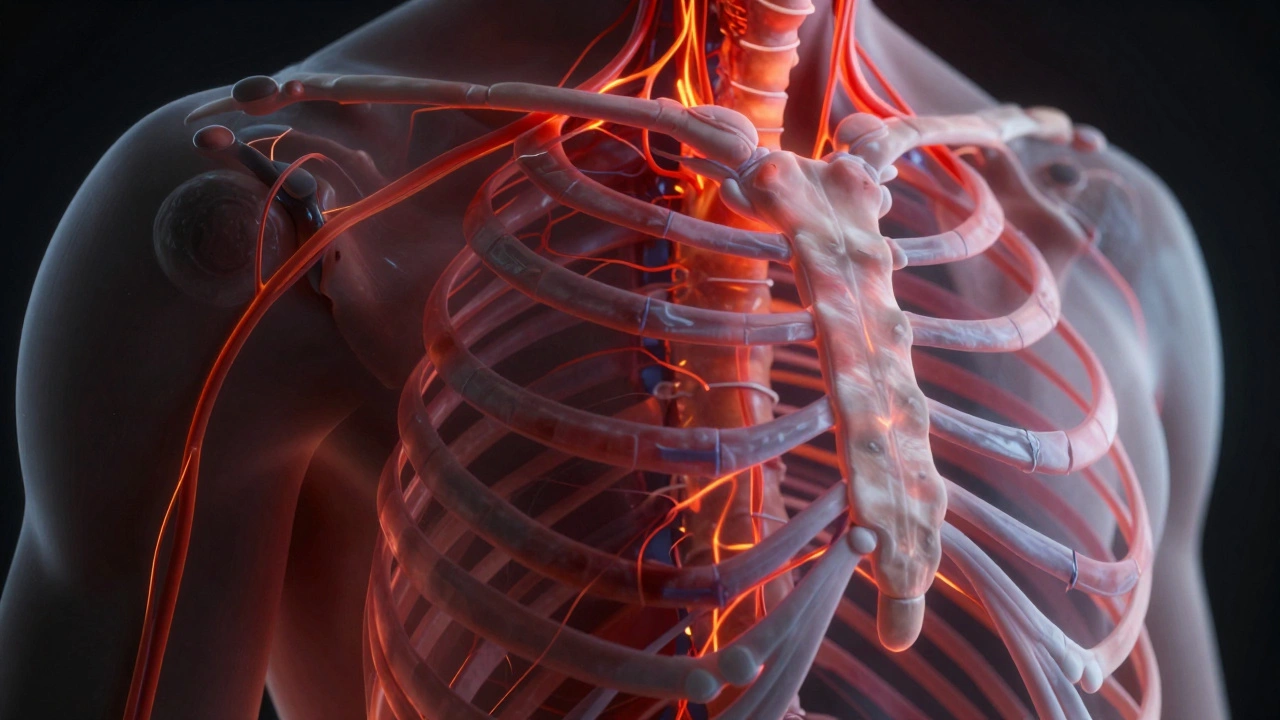
Thoracotomy is a chest surgery where an incision is made between the ribs to access the lungs, heart, or esophagus. This is often considered the gold standard for "worst pain." The surgeon must spread the ribs apart, sometimes breaking them slightly, to create space. This causes severe intercostal neuralgia (nerve pain) that can last for weeks or months. Breathing becomes agonizing, which ironically increases the risk of pneumonia if patients don't take deep enough breaths due to fear of pain.
- Spinal Fusion: This involves joining two or more vertebrae together using bone grafts and hardware like screws or rods. The pain comes from the extensive dissection of back muscles and the trauma to the spine itself. Recovery is slow, and many patients report significant stiffness and sharp pain during the first three months.
- Whipple Procedure (Pancreaticoduodenectomy): This complex abdominal surgery removes part of the pancreas, the gallbladder, part of the stomach, and part of the small intestine. It is primarily used for pancreatic cancer. The sheer volume of tissue removal and internal reconstruction leads to intense abdominal pain and a long hospital stay.
- Knee Replacement (Total Knee Arthroplasty): While modern techniques have improved recovery, replacing the knee joint requires cutting through bone and reshaping it. The initial post-op pain is sharp and intense, requiring strong opioids. The challenge here is balancing pain relief with the need to move the leg to prevent stiffness.
- Corneal Transplant: Don't let the size fool you. The cornea has one of the highest densities of nerve endings in the human body. Even minor procedures here can cause excruciating, burning pain that feels disproportionate to the visual scale of the surgery.
Why Pain Levels Vary So Much
You might hear two people describe the same surgery completely differently. One says it was manageable; the other says it was hell. Why?
First, consider pain tolerance. This isn't just about being tough. It’s genetic. Some people produce endorphins (natural painkillers) more efficiently than others. Second, look at anesthesia technique. Modern regional anesthesia, like epidurals or nerve blocks, can numb specific areas while you sleep. If your surgeon uses these effectively, your immediate post-op pain drops significantly.
Third, there is the psychological factor. Anxiety amplifies pain signals. If you are terrified of the outcome, your brain interprets every sensation as a threat, turning up the volume on the pain receptors. This is why pre-operative counseling and clear communication with your medical team are vital.
The Role of Private Surgery in Pain Management
This is where the discussion shifts from pure biology to logistics. In public healthcare systems, resources are stretched. You might wait longer for post-operative care, share rooms, or have less time with nurses who can adjust your pain medication quickly.
When you pay for private surgery cost, you are often buying more than just the surgeon's fee. You are paying for:
- Faster Access to Specialists: Pain management specialists can be consulted immediately if standard protocols fail.
- Better Facilities: Private hospitals often have single rooms, reducing stress and infection risk, which indirectly lowers pain levels.
- Advanced Technology: Access to newer, less invasive surgical tools (like robotic-assisted surgery) can mean smaller incisions and less tissue damage, leading to less pain.
- Personalized Care Plans: Nurses can monitor your pain scores more frequently and adjust medications in real-time rather than waiting for scheduled rounds.
However, money doesn't eliminate pain. It optimizes the environment for healing. If you are considering private care, ask specifically about their multimodal analgesia approach. This means using a combination of non-opioid drugs, nerve blocks, and physical therapy to manage pain, rather than relying solely on morphine.

Comparing Pain Profiles: A Quick Reference
| Surgery Type | Pain Source | Peak Pain Time | Recovery Difficulty |
|---|---|---|---|
| Thoracotomy | Rib spreading, lung irritation | Days 1-3 | Very High (breathing受限) |
| Spinal Fusion | Muscle dissection, bone fusion | Days 1-7 | High (mobility restricted) |
| Whipple Procedure | Abdominal cavity disruption | Days 2-5 | Very High (digestive issues) |
| Knee Replacement | Bone cutting, joint swelling | Days 1-2 | Medium-High (requires movement) |
| Gallbladder Removal (Laparoscopic) | Shoulder tip nerve referral | Hours 0-48 | Low-Medium |
How to Prepare for Severe Post-Op Pain
If you know you are facing one of these high-pain procedures, preparation is your best weapon. Don't wait until you are in the hospital bed to think about pain.
Educate Yourself: Ask your surgeon exactly what type of anesthesia they will use. Will there be a nerve block? Will you have a PCA (Patient-Controlled Analgesia) pump? Understanding the tools reduces fear.
Build Your Support System: You will not be able to drive or cook. Arrange for someone to stay with you for the first week. Emotional support directly impacts pain perception.
Discuss Medication Limits: Be honest with your doctor about your past experiences with pain meds. If you are prone to nausea from opioids, tell them now so they can prescribe anti-nausea meds alongside painkillers.
Consider Physical Therapy Early: For surgeries like knee replacements or spinal fusions, early mobilization is painful but necessary. Delaying movement leads to stiffness, which causes more pain later. Work with a physiotherapist before surgery to learn breathing and positioning techniques.

Navigating Costs and Insurance
In Ireland and the UK, the decision between public and private care often hinges on cost and waiting times. If you have private health insurance, check your policy limits. Does it cover post-operative rehabilitation? Many policies cover the surgery but leave out the crucial weeks of physiotherapy that help manage pain long-term.
If you are self-funding, get a detailed quote. The private surgery cost should include:
- Surgeon's fees
- Anesthetist's fees
- Hospital room charges
- Post-operative medications
- Follow-up appointments
Don't assume everything is included. Hidden costs can add up, causing financial stress, which, as mentioned, worsens pain perception.
Long-Term Pain vs. Short-Term Agony
It is important to distinguish between acute surgical pain and chronic pain. Acute pain is expected and temporary. Chronic pain persists beyond the normal healing time (usually 3-6 months). Surgeries like thoracotomies and spinal fusions carry a higher risk of chronic pain syndromes, such as neuropathic pain.
If you find yourself still in severe pain six months after surgery, seek a second opinion. You may need intervention from a pain clinic. Treatments like nerve ablation or cognitive behavioral therapy (CBT) for pain can help retrain your brain's response to pain signals.
Final Thoughts on Facing Surgery
No one wants to be in pain. But knowing that certain surgeries are notoriously difficult allows you to plan. Whether you choose public or private care, advocate for yourself. Ask questions. Demand a clear pain management plan. Your comfort is not a luxury; it is a critical part of your recovery.
Is a C-section more painful than vaginal birth?
Generally, no. While a C-section is major abdominal surgery, women typically report less pain during the immediate recovery compared to the trauma of vaginal birth. However, the pain profile is different: C-section pain is localized to the incision site, while vaginal birth pain involves the entire pelvic floor and perineum. Long-term, C-sections have a higher risk of complications in future pregnancies.
How long does the worst pain last after a thoracotomy?
The most intense pain usually lasts for the first 3 to 7 days. However, significant discomfort when breathing deeply or moving can persist for several weeks. Full resolution of intercostal nerve pain can take 3 to 6 months, and some patients experience lingering sensitivity for a year or more.
Does private surgery guarantee less pain?
Not necessarily. The skill of the surgeon matters more than the setting. However, private care often provides faster access to pain specialists, better facilities for rest, and more personalized nursing care, which can improve your overall comfort and recovery speed.
What is multimodal analgesia?
Multimodal analgesia is a pain management strategy that uses multiple types of medications and techniques to target pain from different angles. Instead of relying only on opioids, it combines NSAIDs, acetaminophen, nerve blocks, and local anesthetics. This approach reduces side effects like nausea and constipation while providing better pain control.
Can I avoid surgery if I'm afraid of pain?
Only if the surgery is elective. For life-saving procedures like cancer removal, avoiding surgery is not an option. However, you can discuss minimally invasive alternatives with your surgeon. Robotic or laparoscopic approaches often result in less pain and faster recovery than open surgeries.