UK Cosmetic Surgery Profile & Cost Estimator
Select options above to see estimated private clinic costs.
Why this range?
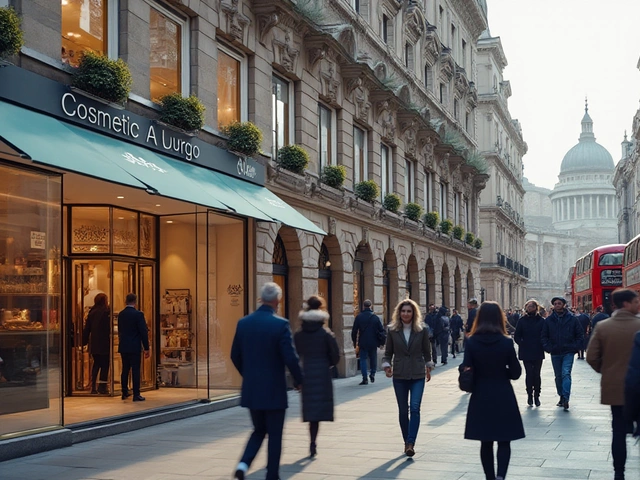
Costs vary significantly by region and practitioner registration. London clinics often charge a premium due to overheads, whereas regional hubs offer competitive rates with high-quality care.
Common Procedures by Gender (UK 2025 Estimates)
| Category | Primary Female Request | Primary Male Request | Key Driver |
|---|---|---|---|
| Surgical | Breast Augmentation, Rhinoplasty | Gynecomastia, Blepharoplasty | Aging, Body Image |
| Injectables | Lip Fillers, Botox | Botox, Jawline Contouring | Maintenance, Definition |
| Body Contouring | Tummy Tuck, Liposuction | Liposuction, Abdominal Etching | Fitness Plateaus |
Before You Book: Safety Checklist
You might picture the typical cosmetic surgery patient as a middle-aged woman seeking a facelift to look younger. But if you walked into a clinic in London or Manchester today, that image would likely be wrong. The face of cosmetic surgery in the United Kingdom has shifted dramatically over the last decade. It is no longer just about vanity or aging; it is about correction, confidence, and increasingly, maintenance.
So, who actually gets these procedures? Is it still the wealthy elite, or has it become mainstream? Are men really jumping on board, or is that just hype? And what role does social media play in driving people under the knife-or the needle?
The Shift from Surgical to Non-Surgical
If you look at the raw numbers, the biggest change isn't necessarily *who* is getting treated, but *what* they are getting. For years, surgical procedures like breast augmentations and rhinoplasties dominated the market. Today, non-surgical treatments make up the vast majority of cases. According to data from the British Association of Aesthetic Plastic Surgeons (BAAPS) and the Joint Council for Cosmetic Practitioners (JCCP), injectables like Botox and dermal fillers account for nearly 70% of all aesthetic interventions in the UK.
This shift changes the demographic profile significantly. You don't need general anesthesia, a week off work, or a £5,000 budget for a syringe of hyaluronic acid. This accessibility opens the door to younger patients and those with tighter budgets. We are seeing a surge in "prejuvenation"-preventative treatments aimed at stopping wrinkles before they start. Patients in their mid-20s are now common visitors to clinics, seeking subtle tweaks rather than major transformations.
Gender Dynamics: Men Are Catching Up
For a long time, cosmetic surgery was coded as female. That barrier has crumbled. While women still make up roughly 80% of patients, the number of men seeking treatment has risen steadily. In 2023 alone, male consultations rose by double digits in many private practices across England and Wales.
What do men want? It’s rarely about looking "pretty." It’s about looking rested, successful, or athletic. Gynecomastia (male breast reduction) remains a top request, often driven by body dysmorphia related to gym culture. Hair restoration is another massive driver, particularly among men aged 30-45 facing early hair loss. Unlike women, who often seek facial harmony, men tend to focus on specific problem areas that affect their professional or romantic life.
| Procedure Type | Primary Female Request | Primary Male Request | Key Driver |
|---|---|---|---|
| Surgical | Breast Augmentation, Rhinoplasty | Gynecomastia, Blepharoplasty (Eyelids) | Aging, Body Image |
| Injectables | Lip Fillers, Botox | Botox, Jawline Contouring | Maintenance, Definition |
| Body Contouring | Tummy Tuck, Liposuction | Liposuction, Abdominal Etching | Fitness Plateaus |
Age Groups: The Younger Patient Profile
The stereotype of the 50-year-old housewife is outdated. The fastest-growing age group in UK cosmetic surgery is actually between 18 and 34. Why? Two words: Instagram filters. The phenomenon known as "Snapchat Dysmorphia" refers to patients bringing in filtered selfies as reference photos. They aren't asking to look like a celebrity; they are asking to look like their digital selves.
However, this trend comes with risks. Many young patients lack the financial stability for high-quality care, leading them to cheaper, less regulated clinics. The JCCP warns that while regulation is improving, the market is flooded with practitioners who may not have medical backgrounds. If you are under 30, ensure your practitioner is registered with a recognized body like the GMC (General Medical Council) or holds a valid JCCP register entry.

Regional Differences: London vs. The Rest of the UK
Geography plays a huge role in access and cost. London accounts for a disproportionate share of high-end procedures simply because that is where the specialist surgeons cluster. However, regional hubs like Manchester, Leeds, Birmingham, and Glasgow have seen significant growth. Patients are increasingly willing to travel for specific specialists, especially for complex revisions or rare procedures.
Cost varies wildly. A nose job in Mayfair might cost £6,000, while the same procedure in Newcastle could be £3,500. Does location dictate quality? Not always. Many top-tier surgeons operate in regional cities to avoid the overheads of central London. Always check the surgeon's portfolio and patient reviews rather than assuming the capital offers the best standard of care.
The Role of Social Media and Celebrity Culture
We cannot ignore the elephant in the room: reality TV and influencers. Shows like *Love Island* have normalized cosmetic enhancements for a generation. When contestants openly discuss their lip fillers or breast surgeries, it removes the stigma. This transparency drives demand, particularly among women aged 18-25.
But there is a flip side. The pressure to maintain a specific look can lead to over-treatment. Doctors report seeing patients with "pillow faces"-a result of excessive filler use trying to mimic an unrealistic filter. The key differentiator between satisfied and dissatisfied patients is expectation management. Those who view surgery as a tool for improvement, rather than a cure for unhappiness, tend to have better outcomes.

Financial Realities: Who Can Afford It?
Cosmetic surgery is rarely covered by the NHS unless it is reconstructive (e.g., after trauma or cancer). This means it is an out-of-pocket expense. Credit financing has become a major enabler. Clinics often offer payment plans, making £3,000 procedures feel manageable at £150 a month. This has democratized access, allowing teachers, nurses, and retail workers to afford treatments previously reserved for the affluent.
However, hidden costs matter. If you need revision surgery, insurance might not cover it. Always ask about the surgeon's complication policy. Some reputable clinics include one free revision within 12 months; others charge full price again. Budgeting for potential fixes is crucial.
Checklist: Before You Book Your Consultation
- Verify Registration: Check if the doctor is on the GMC register or the JCCP register.
- Review Portfolios: Look for before-and-after photos of patients with similar features to yours.
- Ask About Complications: What happens if things go wrong? Is there a follow-up plan?
- Understand Recovery Time: Do you have enough leave from work? Swelling can last weeks.
- Get Multiple Opinions: Never settle for the first quote. Compare approaches, not just prices.
Is cosmetic surgery more popular among men or women in the UK?
Women still represent the majority of patients, accounting for approximately 80% of procedures. However, the male demographic is growing rapidly, with men increasingly seeking hair transplants, gynecomastia correction, and non-surgical skin treatments to address signs of aging and improve professional appearance.
What is the most common cosmetic procedure in the UK?
Non-surgical treatments dominate the market. Botulinum toxin injections (Botox) and dermal fillers are the most frequently performed procedures due to their lower cost, minimal downtime, and immediate results compared to surgical options like breast augmentation or rhinoplasty.
Does social media influence cosmetic surgery choices?
Yes, significantly. Platforms like Instagram and TikTok drive trends such as fuller lips and defined jawlines. Many patients bring filtered images to consultations, seeking to replicate digital aesthetics. This has led to a rise in younger patients seeking preventative treatments and contributed to the normalization of cosmetic enhancements.
Are cosmetic surgery prices higher in London?
Generally, yes. London clinics often charge premium rates due to higher overheads and the concentration of specialist surgeons. However, high-quality care is available across the UK in cities like Manchester, Leeds, and Edinburgh, often at more competitive prices without compromising on safety or expertise.
Can I get cosmetic surgery on the NHS?
Typically, no. The NHS covers reconstructive surgery necessary for health or function, such as after accidents, burns, or cancer removal. Purely cosmetic procedures aimed at enhancing appearance are considered elective and must be paid for privately, either upfront or through finance plans offered by clinics.