Dental Tourism Savings Calculator
Treatment Details
Based on your inputs, here is how the costs compare across popular destinations.
(£0)
(£0)
Key Takeaway
Walking into a private clinic in London for a full-mouth implant restoration can leave you staring at a bill that rivals a used car. For many British patients, this price tag is the main driver behind considering dental tourism. But where should you actually go? Is it worth flying to Eastern Europe or Asia to save money, or are there hidden risks in chasing the lowest quote?
The answer isn't just about the cheapest flight. It’s about balancing cost savings with clinical standards, language barriers, and the logistics of follow-up care. This guide breaks down the top destinations for UK residents seeking affordable yet high-quality dental work, specifically focusing on implants, veneers, and full restorations.
Why Do UK Patients Travel Abroad for Dental Work?
The NHS provides excellent basic care, but complex procedures like Dental Implants is a surgical procedure involving placing titanium posts into the jawbone to support artificial teeth. These are rarely covered by the National Health Service unless part of a specific orthodontic case. Consequently, most implant work falls under private care.
In the UK, the average cost for a single dental implant ranges from £1,500 to £3,500 depending on the region and clinic prestige. In contrast, the same procedure in popular dental tourism hubs can cost between £800 and £1,500. When you factor in accommodation and flights, the total package often remains 40-60% cheaper than staying home. However, "cheaper" doesn't automatically mean "better value." You need to look at the quality of materials used, the experience of the surgeon, and the regulatory environment of the destination country.
Top Destinations for UK Dental Tourists
Not all countries offer the same balance of safety, cost, and convenience. Here are the three most popular regions for UK patients, each with distinct advantages.
Hungary: The European Standard
Hungary is a Central European country known for its advanced dental infrastructure and English-speaking professionals. Budapest has become a hub for dental tourism due to its proximity to the UK (short flights) and high standard of education. Many Hungarian dentists train in Western Europe or the US. The use of premium brands like Nobel Biocare is a leading manufacturer of dental implant systems recognized globally for reliability. is common, ensuring longevity. The language barrier is minimal in major clinics, making communication easier during consultations.
Turkey: The All-Inclusive Package
Turkey, particularly Istanbul and Antalya, offers some of the lowest prices in Europe. Clinics here often market "all-inclusive" packages that cover flights, hotel stays, airport transfers, and unlimited aftercare calls. This model appeals to patients who want a holiday combined with their treatment. However, the sheer volume of clinics means quality varies significantly. Some operate as high-end medical centers, while others may cut corners on sterilization or material sourcing. Due diligence is critical when choosing a provider here.
Thailand: The Asian Specialist
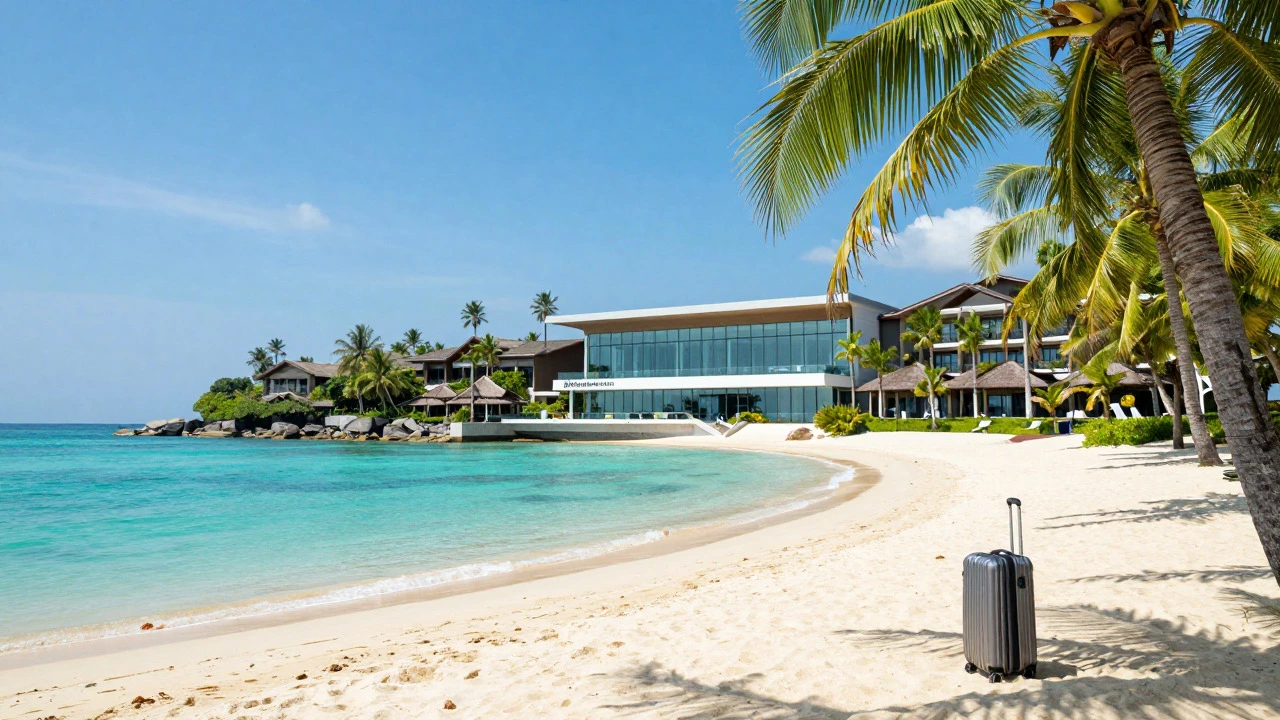
For those willing to take a longer trip, Thailand is a Southeast Asian nation renowned for its luxury healthcare facilities and tropical climate. Bangkok and Phuket host world-class hospitals that cater specifically to expats and tourists. The service level is exceptionally high, often including concierge services. While the flight time is significant, the combination of a beach holiday and comprehensive dental care makes it attractive for full-mouth reconstructions.

Cost Comparison: UK vs. Abroad
To help you visualize the potential savings, here is a comparison of typical prices for common procedures. Note that these are averages; individual quotes will vary based on complexity and clinic tier.
| Procedure | UK Private Average | Hungary Average | Turkey Average | Savings % (Approx.) |
|---|---|---|---|---|
| Single Dental Implant | £2,500 | £1,200 | £900 | 52-64% |
| All-on-4 Full Arch | £20,000 - £30,000 | £8,000 - £12,000 | £6,000 - £10,000 | 50-70% |
| Ceramic Veneers (Per Tooth) | £800 - £1,200 | £400 - £600 | £300 - £500 | 50-60% |
| Root Canal Treatment | £1,000 - £1,500 | £400 - £600 | £300 - £500 | 50-60% |
These figures exclude travel and accommodation. A typical week in Hungary might cost £1,500-£2,000 for flights and a decent hotel. Even after adding these expenses, the net saving on a full-mouth restoration can exceed £10,000.
Key Factors to Consider Before Booking
Choosing the right clinic is more important than choosing the right country. Here is what you need to verify before signing any contract.
- Regulatory Compliance: Ensure the clinic operates under EU regulations if in Europe. This guarantees strict adherence to hygiene standards and patient rights. In non-EU countries, look for JCI accreditation (Joint Commission International), which is a global benchmark for hospital quality.
- Material Transparency: Ask exactly which brand of implants and crowns they use. Reputable clinics will show you the packaging. Avoid vague terms like "premium grade" without specifying the manufacturer.
- Warranty Terms: What happens if an implant fails after you return to the UK? Does the warranty cover re-treatment abroad, or do you have to pay again? Get this in writing.
- Follow-Up Care: Most implant cases require 2-3 check-ups over the first year. Will the clinic provide video consultations? Can you visit a partner clinic near you in the UK, or do you have to fly back?
Managing Risks and Logistics
Dental tourism carries inherent risks, primarily related to communication and continuity of care. To mitigate these, consider the following steps:
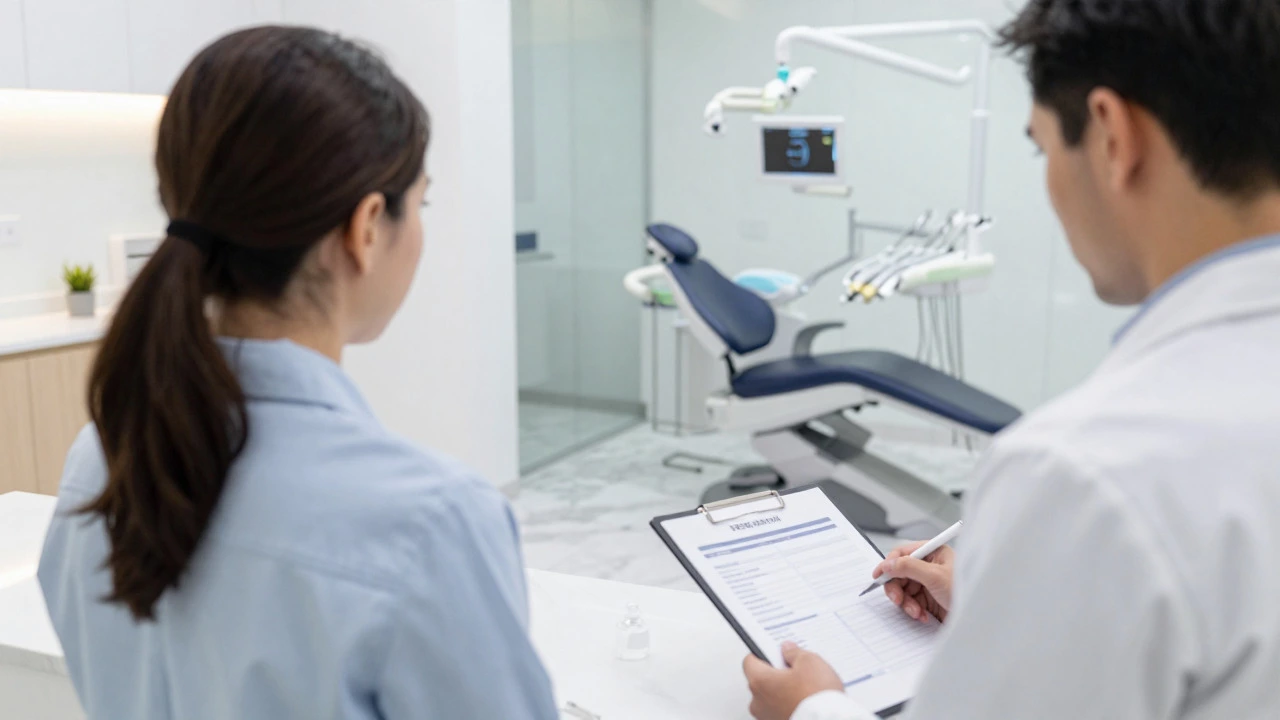
- Consult Locally First: Visit your UK dentist for an initial assessment and X-rays. Bring these digital records to the overseas clinic. This ensures both parties are working from the same data and reduces the risk of misdiagnosis.
- Choose English-Speaking Staff: Misunderstanding instructions post-surgery can lead to complications. Prioritize clinics where the coordinator and surgeon speak fluent English.
- Budget for Emergencies: Set aside a contingency fund of 10-15% of your treatment cost for unexpected issues like bone grafting or sinus lifts that might not be included in the initial quote.
- Travel Insurance: Standard travel insurance often excludes pre-existing conditions or elective procedures. Check if your policy covers dental emergencies abroad or purchase a specialized medical travel policy.
Frequently Asked Questions
Is it safe to get dental implants abroad?
Yes, provided you choose a reputable, accredited clinic. Countries like Hungary and Turkey have well-established dental tourism industries with thousands of successful cases annually. The key is verifying the clinic's credentials, reading independent reviews, and confirming the qualifications of the specific surgeon performing your operation.
How long does a typical dental trip last?
For simple procedures like veneers or fillings, 3-5 days is usually sufficient. For full-mouth implants using the All-on-4 technique, expect to stay for 7-10 days. This allows time for the initial consultation, surgery, healing period, and final crown fitting, which often happens after a few weeks of osseointegration.
Will my UK dentist accept work done abroad?
Most UK dentists are happy to maintain records for patients treated abroad, especially if you bring detailed notes and X-rays. However, some may prefer to handle follow-ups themselves if complications arise. It is best to inform your local dentist of your plans beforehand to ensure a smooth handover of care.
What is the difference between EU and non-EU dental care?
In EU countries like Hungary, patient rights are protected by European directives, meaning you have legal recourse if something goes wrong. In non-EU countries like Thailand or Turkey, consumer protection laws may differ, making it harder to pursue compensation. Always rely on contractual warranties rather than local law in non-EU jurisdictions.
Are there financing options for dental tourism?
Many overseas clinics offer payment plans, allowing you to pay a deposit upfront and the remainder upon completion. Some also partner with third-party finance providers. However, interest rates and terms vary widely, so compare these against UK private dental finance options to see which is more cost-effective.