UK Botox Provider Compliance Checker
Enter details about your potential provider or clinic to assess their compliance with UK safety and regulatory guidelines.
Select options and click "Run Compliance Check" to see your results.
You’re sitting in a clinic chair, ready for your anti-wrinkle treatment, and you hear whispers about "new laws." Maybe you’re worried the price will jump, or perhaps you’re wondering if your favorite practitioner can still legally touch your face. The confusion around Botox a neurotoxin used to temporarily paralyze muscles to reduce wrinkles regulations in the UK is real, but it’s often mixed up with older proposals that never quite made it into hard statute in the way headlines suggest.
Here’s the reality check: As of late 2026, there isn’t one single "Botox Act" that suddenly changed everything overnight. Instead, we are dealing with a tightening web of regulations involving the Care Quality Commission (CQC), updated licensing standards from the Joint Council for Cosmetic Practitioners (JCCP), and strict age restrictions enforced by local councils. If you’ve been avoiding treatments because you thought they were illegal, or if you’re nervous about safety, this guide breaks down exactly what has changed, who needs to be registered, and how to spot a legitimate provider versus a risky bargain.
The Myth vs. Reality of Recent Legislation
A lot of people confuse proposed bills with enacted law. For years, the government debated banning non-surgical cosmetic procedures for anyone under 18. While several private members’ bills introduced this idea, the definitive national legislation specifically targeting Botox for minors faced delays and amendments. However, most reputable clinics and professional bodies have voluntarily adopted an under-18 ban well before any statutory mandate forced their hand.
So, what actually happened? The shift wasn’t a sudden criminalization of Botox itself-it was a move toward treating it as a medical procedure rather than a beauty service. This distinction matters. It means the person injecting you needs medical oversight, not just a certificate from a weekend course. The regulatory focus shifted to Care Quality Commission the independent regulator of health and social care in England inspections and mandatory registration for providers offering injectable treatments.
Who Needs to Be Registered?
This is where things get specific. Not every injector is required to register with the CQC, which causes massive confusion. Generally, if a business provides regulated activities-like administering prescription-only medicines such as Botulinum Toxin Type A-they fall under stricter scrutiny.
- Nurses and Doctors: They must be registered with their respective professional bodies (NMC or GMC) and hold appropriate indemnity insurance.
- Dentists: Can administer Botox if they have undergone specific training and are registered with the General Dental Council.
- Non-Medical Injectors: Dentists, pharmacists, and sometimes paramedics can inject, but they operate under different supervision structures. Purely aesthetic practitioners without a clinical background often work under the supervision of a prescriber (doctor or dentist).
The key takeaway? Look for the JCCP register. It’s not a government body, but it’s the industry gold standard. If your injector isn’t on it, ask why. The Joint Council for Cosmetic Practitioners a voluntary register for cosmetic practitioners ensuring competence and safety requires proof of training, insurance, and ongoing education.
| Practitioner Type | Primary Regulator | Prescribing Authority | Typical Supervision Required? |
|---|---|---|---|
| Doctor (GP/Specialist) | GMC | Yes | No |
| Nurse Prescriber | NMC | Yes | No |
| Dentist | GDC | Yes (for facial aesthetics) | No |
| Pharmacist | GPhC | Depends on qualification | Often Yes |
| Non-Medical Aesthetician | JCCP (Voluntary) | No | Yes (must work with a prescriber) |
The Under-18 Ban: What You Need to Know
Even if the national law is nuanced, the practical rule is clear: reputable clinics won’t touch a teenager’s forehead lines. Why? Because adolescent faces are still developing. Injecting Botox into a growing muscle group can lead to asymmetry or unintended weakness in other facial areas.
Some local councils have issued guidance strongly discouraging cosmetic injectables for those under 18 unless there’s a therapeutic reason (like severe hyperhidrosis or migraine treatment). Always ask for parental consent forms if you’re under 18, even if the clinic claims it’s allowed. Better safe than sorry when it comes to permanent-ish changes to your facial structure.
Safety Standards and Hygiene Rules
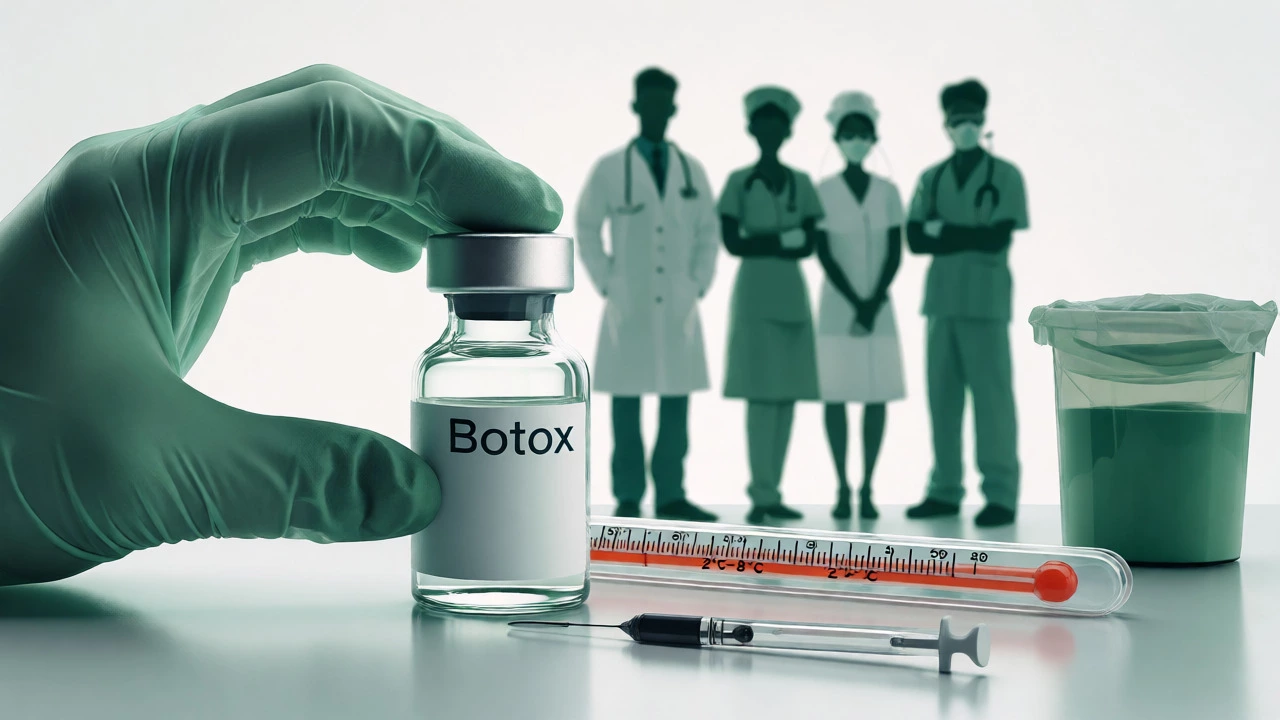
The new emphasis on hygiene stems from high-profile cases of infection and botulism-like symptoms from poorly stored products. Botox is a biological product. It needs cold chain storage-kept between 2°C and 8°C until mixed. If a clinic leaves vials out on a counter all day, the toxin degrades, and you’re paying for water.
Inspectors now look for:
- Single-use needles: No reusing syringes across patients, ever.
- Waste disposal: Sharps bins must be locked and serviced regularly.
- Patient records: Detailed notes on dosage, batch numbers, and injection sites.
If you walk into a salon and see a messy station or no autoclave for tools, walk away. The "new" expectation is clinical sterility, not spa ambiance.

Price Hikes and Insurance Costs
Let’s talk money. Since liability insurance premiums rose sharply after several negligence lawsuits, prices for Botox have increased. A unit might cost £15-£20 depending on location and practitioner expertise. Cheap deals (e.g., £150 for full face) often signal unqualified staff or diluted product.
Remember, you’re buying safety, not just liquid. Ask your provider: "Do you carry professional indemnity insurance?" If they hesitate, run. The General Medical Council the regulator for doctors in the UK mandates this for doctors, but it’s good practice for everyone.
How to Verify Your Provider
Don’t rely on Instagram likes. Use these three steps before booking:
- Check the CQC website: Search for the clinic name. Look for "Good" or "Outstanding" ratings.
- Ask for the JCCP number: Verify it on the JCCP online register.
- Request a consultation: A legit provider will assess your muscle movement before discussing price. If they quote over email without seeing you, be cautious.
The landscape of Aesthetic Medicine medical specialties focused on enhancing appearance through minimally invasive procedures is maturing. The days of cowboy injectors operating from kitchen tables are numbered, thanks to tighter enforcement and informed consumers.
Is Botox illegal in the UK?
No, Botox is not illegal. It is a licensed prescription-only medicine. However, it must be administered by a qualified healthcare professional or under their direct supervision, following strict regulatory guidelines.
Can I get Botox if I am under 18?
While not universally banned by statute, most reputable clinics and professional bodies prohibit cosmetic Botox for under-18s due to ongoing facial development. Therapeutic uses may be permitted with specialist approval.
Does my injector need to be a doctor?
Not necessarily. Nurses, dentists, and pharmacists can also administer Botox if they have the correct qualifications and prescribing authority. Non-medical practitioners usually require supervision from a prescriber.
What happens if I go to an unregistered clinic?
You risk receiving counterfeit or degraded products, improper dosing, and lack of recourse if something goes wrong. Unregistered clinics may not have valid insurance, leaving you liable for correction costs.
Are prices going up because of the new laws?
Prices have risen primarily due to increased insurance premiums for practitioners and higher compliance costs for clinics adhering to CQC and hygiene standards, rather than a direct tax on the drug itself.