NHS Healthcare Cost Estimator
Your Situation
Results
When you land in the UK-whether you’re visiting for a week, studying for a year, or moving permanently-you might wonder: Do foreigners pay for healthcare in the UK? The answer isn’t simple. It depends on where you’re from, why you’re here, and what kind of care you need. The UK doesn’t have private health insurance like the U.S. Instead, it has the NHS-National Health Service-which offers mostly free care at the point of use. But that doesn’t mean everyone gets it for free.
Who Gets Free Care on the NHS?
If you’re a resident of the UK, you don’t pay for most NHS services. That includes seeing a GP, hospital treatment, maternity care, and mental health support. But residency isn’t just about having a visa. You need to be ordinarily resident-meaning you live here lawfully on a settled basis, not just visiting or on a short-term visa.
That means students from the EU, Australia, Canada, or the U.S. studying for more than six months usually qualify for free NHS care. So do workers on long-term visas, refugees, and asylum seekers. But tourists, short-term business visitors, and people on visitor visas don’t automatically qualify.
What About Tourists and Short-Term Visitors?
If you’re visiting the UK for less than six months, you’re not entitled to free NHS care-except for emergencies. You won’t get charged for treatment in an A&E department if you have a heart attack, break a bone, or suffer a serious injury. That’s because the NHS must treat life-threatening conditions regardless of your status.
But here’s the catch: if you’re admitted to hospital after an emergency, you’ll get billed later. The NHS sends invoices to overseas visitors for non-emergency treatment. A single overnight stay for something like appendicitis can cost over £2,000. A complicated surgery could run into tens of thousands.
There’s no automatic insurance coverage. Unlike in some European countries, there’s no reciprocal agreement with the U.S. or most of Asia. Even if you have travel insurance, many policies don’t cover pre-existing conditions or ongoing treatment. Always check your policy before you travel.
What About EU Citizens After Brexit?
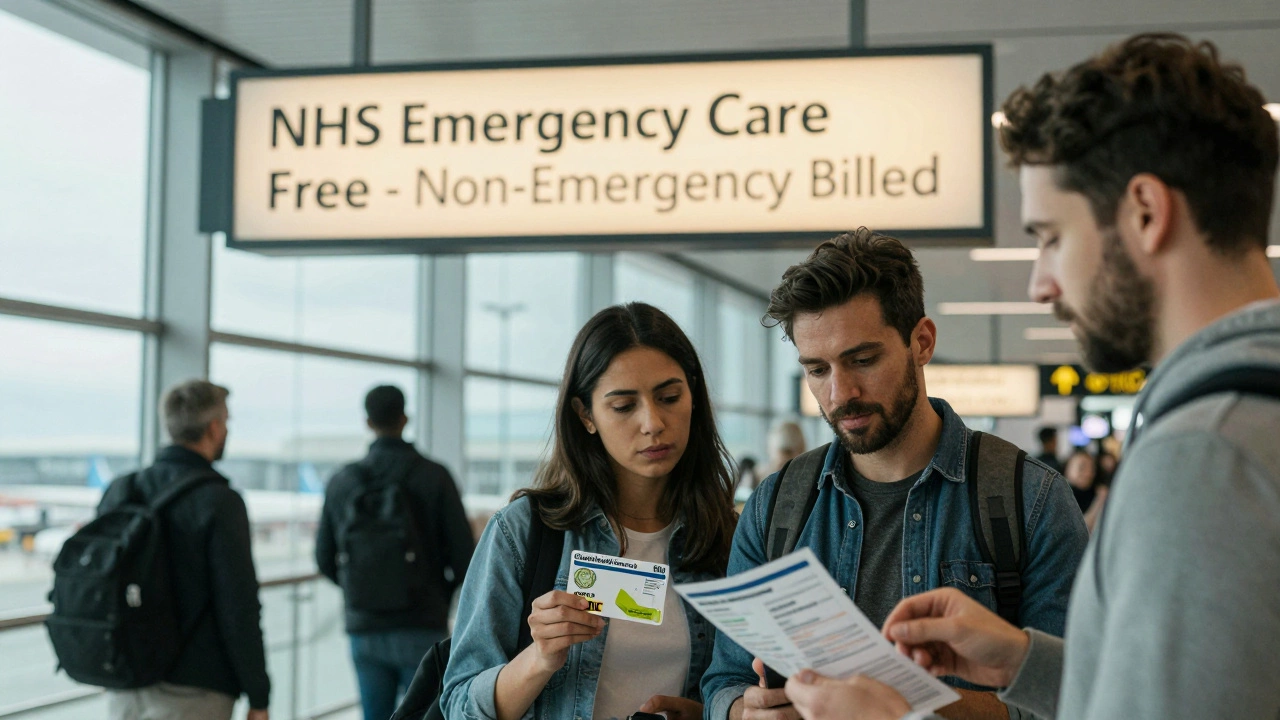
Since Brexit, EU citizens visiting the UK no longer get automatic access to free NHS care. The old European Health Insurance Card (EHIC) is no longer valid for UK visitors. Instead, the UK now accepts the Global Health Insurance Card (GHIC) for those from EU countries who are entitled to it-but only for necessary medical treatment during a temporary stay.
GHIC covers emergency and necessary care, like dialysis or chemotherapy, if you’re already receiving it. But it doesn’t cover planned treatment or routine check-ups. If you’re going to the UK for a hip replacement or a specialist consultation, you’ll need private insurance or to pay out of pocket.
Students and Workers: What’s Different?
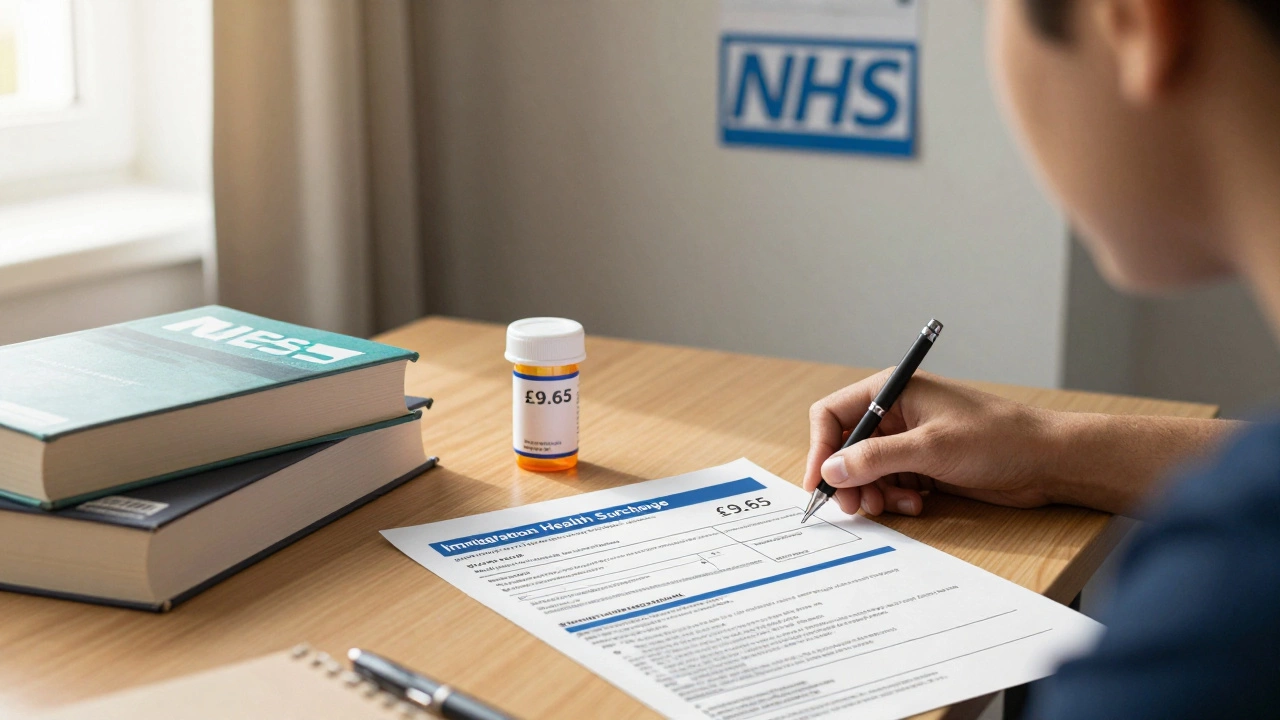
International students enrolled in courses lasting six months or more automatically qualify for NHS care. They pay an Immigration Health Surcharge (IHS) when applying for their visa-usually £776 per year. That fee gives them full access to the NHS, just like a UK resident.
Workers on skilled visas (like the Skilled Worker visa) also pay the IHS. It’s built into the visa application. Once paid, they get the same access to GPs, hospitals, and prescriptions as anyone else living in the UK.
But here’s something many don’t realize: even if you pay the IHS, you still pay for prescriptions in England. That’s £9.65 per item as of 2026. Scotland, Wales, and Northern Ireland offer free prescriptions to everyone, regardless of nationality. So if you’re in Edinburgh or Cardiff, you won’t pay for your asthma inhaler. In London, you will.
What About Emergency Care?
Emergency care is always free. That’s the law. If you collapse on the street, get into a car crash, or have a stroke, the NHS will treat you immediately. No questions asked. No upfront payment required.
But if you’re admitted to hospital and the treatment turns out to be non-emergency-say, you came in with chest pain but it turned out to be indigestion-you’ll be charged. The hospital’s overseas visitors office will contact you after discharge. They’ll send a bill for the full cost of treatment, including ambulance transport, scans, and medications.
Some people try to avoid paying by leaving the country. But the UK government now shares data with immigration authorities. If you owe more than £500, your next UK visa application will be denied until you pay. It’s not just a fine-it blocks your ability to return.
Prescriptions, Dental, and Eye Care: The Hidden Costs
Even if you’re eligible for free NHS care, not everything is free. In England, prescriptions cost £9.65 per item. Dental check-ups start at £26.80, and fillings can be £70 or more. Eye tests cost around £25-£30. These fees apply to everyone, including UK citizens.
Visitors who aren’t eligible for NHS care pay the full market rate. A dental filling for a tourist can cost £150-£250. An eye test might be £50. Private clinics often charge more than NHS providers, but they’re faster and don’t require referrals.
If you’re planning to stay longer, consider private health insurance. It won’t cover NHS services you’re already eligible for, but it can cover things like faster access to specialists, private rooms, or treatments not available on the NHS-like certain cosmetic procedures or alternative therapies.
What Happens If You Can’t Pay?
The NHS won’t turn you away for an emergency. But if you owe money for non-emergency care, you’ll get letters. First, a reminder. Then, a final demand. After that, the debt is passed to a collection agency. And as mentioned, unpaid bills over £500 can block future UK visas.
Some charities help with medical debt for low-income visitors, but they’re rare. The best move is to pay what you owe-or get insurance before you come.
How to Avoid Big Bills
Here’s how to protect yourself:
- Get travel insurance that covers medical evacuation and pre-existing conditions.
- Check if your home country has a reciprocal agreement with the UK (only a few do-like Australia and New Zealand for some treatments).
- If you’re moving to the UK for work or study, pay the Immigration Health Surcharge when you apply for your visa.
- Keep all receipts and paperwork if you receive treatment-especially if you’re billed later.
- Know the difference between emergency and non-emergency care. Don’t go to A&E for a cold or a rash.
The NHS is one of the most efficient healthcare systems in the world. But it’s not free for everyone. Understanding who pays and who doesn’t can save you thousands-and keep you from getting blocked from re-entering the UK.
Do tourists get free healthcare in the UK?
No, tourists don’t get free healthcare in the UK. Emergency care is always free, but any non-emergency treatment-like hospital admission, specialist visits, or prescriptions-will be billed. The NHS sends invoices to overseas visitors, and unpaid bills can block future UK visas.
Do I need health insurance to visit the UK?
You’re not legally required to have health insurance to visit the UK, but it’s strongly advised. Without it, you could face bills of thousands of pounds for hospital treatment. Travel insurance that covers medical emergencies and evacuation is essential, especially if you have pre-existing conditions.
Can I use my EU health card in the UK?
The old European Health Insurance Card (EHIC) no longer works in the UK. EU citizens can use the Global Health Insurance Card (GHIC) for necessary emergency or ongoing treatment during a temporary visit. But it doesn’t cover planned care like surgery or routine check-ups.
Do international students pay for NHS care?
Yes, but they pay in advance. International students on visas for courses longer than six months must pay the Immigration Health Surcharge (IHS)-currently £776 per year. After paying, they get full NHS access, including GP visits and hospital care. They still pay for prescriptions in England unless they’re in Scotland, Wales, or Northern Ireland.
What happens if I don’t pay my NHS bill?
If you owe more than £500 for NHS treatment and don’t pay, the debt is reported to UK Visas and Immigration. Your next visa application will be refused until you settle the bill. This applies to tourists, students, and workers alike. The NHS doesn’t forgive debts, and collection agencies may pursue you even after you leave the UK.