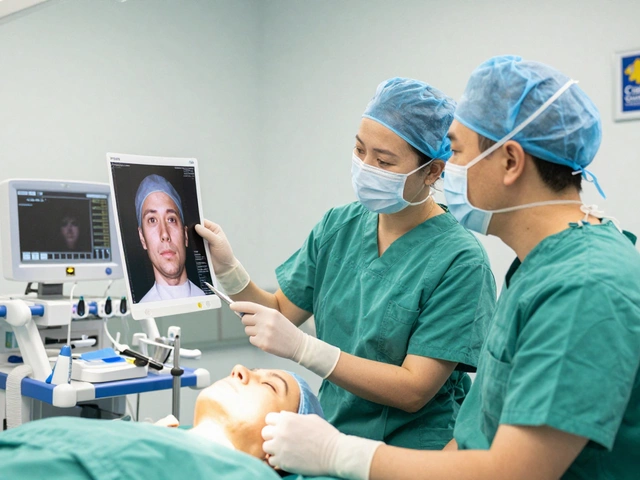
Private Surgery Cost Estimator (2026)
Select a procedure and customize your care plan to see an estimated total cost.
Include Additional Services?
Estimated Total Cost
2026 EstimateMany providers offer payment plans. Spreading this cost over 12 months could be approximately £0/month.
Imagine needing a knee replacement or a hip repair. You know it will fix your pain, but the moment you hear "surgery," two things hit you: the fear of the operation itself, and the dread of the bill. If you are looking at getting surgery privately because public waiting lists are stretching thin, the first question on your mind is almost always the same: how much does most surgery cost?
The answer isn't a single number. It’s not like buying a loaf of bread. The price tag for private surgery varies wildly depending on what procedure you need, where you live, and whether you have insurance. In 2026, with inflation still touching down on healthcare sectors and demand for private care hitting record highs due to NHS waiting times, understanding these costs is critical. This guide breaks down exactly what you can expect to pay, from minor outpatient procedures to major orthopedic surgeries, so you aren’t blindsided by the final invoice.
Why Costs Vary So Much
Before we look at specific price tags, you need to understand why one clinic might quote you €5,000 while another asks for €12,000 for the same surgery. It’s rarely just about greed; it’s about complexity and overhead.
Private hospitals operate differently than public systems. They don't have government subsidies covering their base costs. Every stitch, every hour of anesthesia, and every day spent in a post-op bed must be paid for by someone. That someone is usually you, or your insurer. Here are the main factors that drive the price up or down:
- The Surgeon's Fee: Senior consultants with decades of experience charge more. You often get what you pay for in terms of skill and lower complication rates, though this isn't always guaranteed.
- Anesthesia: General anesthesia is significantly more expensive than local anesthesia because it requires an anesthetist to monitor you throughout the procedure.
- Hospital Stay: A day-case surgery (where you go home the same day) costs a fraction of an inpatient stay. Each night in a private room adds hundreds to thousands to the bill.
- Location: Clinics in central London or Dublin city centers have higher overheads than those in smaller towns or regional hubs.
- Implants and Materials: For joint replacements, the type of implant used (ceramic vs. metal, brand name vs. generic) can swing the cost by thousands.
Average Costs for Common Surgeries (2026 Estimates)
Let’s get to the numbers. These figures are averages based on current market rates in the UK and Ireland for 2026. Remember, these are estimates. Always get a written quote before committing.
| Procedure Type | Average Cost (GBP/EUR) | Typical Stay |
|---|---|---|
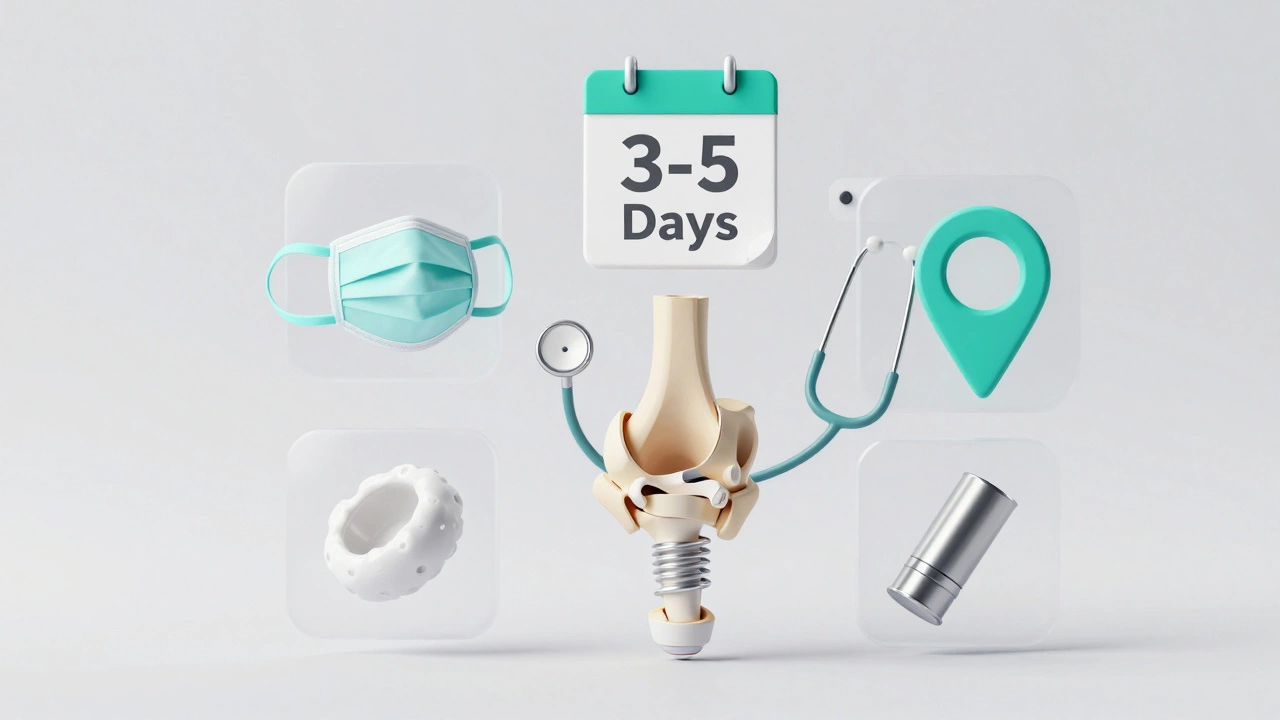
| Knee Replacement | £12,000 - £18,000 / €14,000 - €20,000 | 3-5 days |
| Hip Replacement | £11,000 - £16,000 / €13,000 - €19,000 | 3-5 days |
| Hernia Repair | £4,000 - £7,000 / €4,500 - €8,000 | 1-2 days |
| Gallbladder Removal | £5,000 - £8,000 / €5,500 - €9,000 | 1-2 days |
| Cataract Surgery | £1,500 - £3,000 / €1,800 - €3,500 | Day case |
| Appendectomy | £4,500 - £7,500 / €5,000 - €8,500 | 1-3 days |
| Varicose Vein Treatment | £2,000 - £4,000 / €2,500 - €4,500 | Day case |
Notice the range? A simple hernia repair might seem affordable, but if complications arise, the cost balloons. Major joint replacements are the big ticket items. If you’re self-funding, these prices can be daunting. However, many providers now offer payment plans, which can make a £15,000 knee replacement feel more manageable over 12 months.
Insurance vs. Self-Pay: What’s Covered?
If you have private health insurance, your out-of-pocket cost might be zero. But there’s a catch. Insurance policies are notoriously complex. Here is what you need to check before booking:
- Pre-existing Conditions: Most insurers won’t cover conditions you had before taking out the policy. If you’ve been waiting for a knee op for years, your new policy likely won’t touch it.
- Excess Payments: Many policies require you to pay an "excess" (a deductible) per claim. This could be anywhere from £250 to £1,000.
- Consultation Fees: Sometimes the insurance covers the surgery but not the initial surgeon consultation or the pre-op tests. Read the fine print.
- Network Hospitals: Your insurer may only cover treatment at specific "network" hospitals. Going outside this network could mean paying 100% of the bill yourself.
If you are self-paying, you have more freedom. You can choose any hospital or surgeon you like. Some people even opt for "medical tourism"-going to countries like Turkey or Poland where the same surgery might cost half as much. While tempting, this carries risks regarding follow-up care and legal recourse if something goes wrong.
Hidden Costs to Watch Out For
The headline price for surgery is rarely the final price. When you ask for a quote, ensure it includes everything. Here are common hidden costs that catch people off guard:
- Pre-operative Tests: Blood work, X-rays, and MRIs done privately can add £200-£500.
- Physiotherapy: Post-surgery rehab is crucial. Is it included in the package? Often, it’s not. Expect to pay £50-£80 per session.
- Medications: Painkillers and antibiotics prescribed after discharge are usually billed separately.
- Follow-up Appointments: Some quotes include one follow-up visit; others charge extra for each subsequent check-in.
Always ask for a "package deal" quote. Reputable private hospitals will provide a detailed breakdown that includes surgeon fees, anesthetist fees, hospital charges, and standard post-op care. If they hesitate, walk away.

How to Reduce the Cost of Private Surgery
You don’t have to take the first quote you get. Shopping around is smart financial behavior. Here are practical ways to lower your bill:
Choose a Day-Case Procedure: If your doctor says you can have a gallbladder removal or hernia repair as a day case, do it. Avoiding the overnight stay saves thousands.
Negotiate Cash Prices: Believe it or not, some private clinics offer discounts for upfront cash payments. It reduces their administrative burden and risk of non-payment. Ask politely if a discount is available.
Consider Teaching Hospitals: University-affiliated teaching hospitals sometimes offer lower rates because junior doctors under supervision assist senior surgeons. The quality of care remains high, but the fee structure is different.
Bundle Services: If you need multiple procedures (e.g., cataracts in both eyes), doing them together or negotiating a bundle rate can save money compared to separate invoices.
When Is Private Surgery Worth It?
This is the real question. Is paying £10,000 worth it to avoid a six-month wait on the NHS? For many, yes. Time is valuable. Pain affects your job, your family life, and your mental health. Getting back on your feet sooner has intrinsic value.
However, for non-urgent conditions, consider the opportunity cost. Could that money be better spent on retirement savings, home repairs, or family needs? If the surgery is elective and not causing severe distress, waiting for the public system might be the financially prudent choice. But if you’re in pain and the wait is indefinite, private surgery offers peace of mind and speed.
Does private health insurance cover all surgery costs?
No. Most policies have exclusions, such as pre-existing conditions, cosmetic procedures, and experimental treatments. You may also face excess payments (deductibles) and limits on annual payouts. Always read your policy document carefully to understand what is and isn't covered.
Can I negotiate the price of private surgery?
Yes, especially if you are paying out-of-pocket. Some hospitals offer discounts for upfront cash payments. Additionally, shopping around and comparing quotes from different providers can help you find the best rate. Don't be afraid to ask if a package deal includes all ancillary costs like physiotherapy.
Is it cheaper to go abroad for surgery?
Often, yes. Countries like Turkey, Poland, and Thailand offer significant savings, sometimes 50-70% less than UK or Irish prices. However, you must factor in travel costs, accommodation, and the risk of complications requiring follow-up care back home. Ensure the facility is internationally accredited (e.g., JCI).
What happens if my insurance denies coverage?
If your insurer denies coverage, you become responsible for the full cost unless you appeal the decision. Appeals can succeed if you can prove the condition wasn't pre-existing or was misclassified. Be prepared to pay out-of-pocket or seek alternative financing options if the appeal fails.
Are there payment plans for private surgery?
Many private hospitals and third-party finance companies offer interest-free or low-interest payment plans. These allow you to spread the cost over 6, 12, or 24 months. Check the terms carefully for any setup fees or late payment penalties.