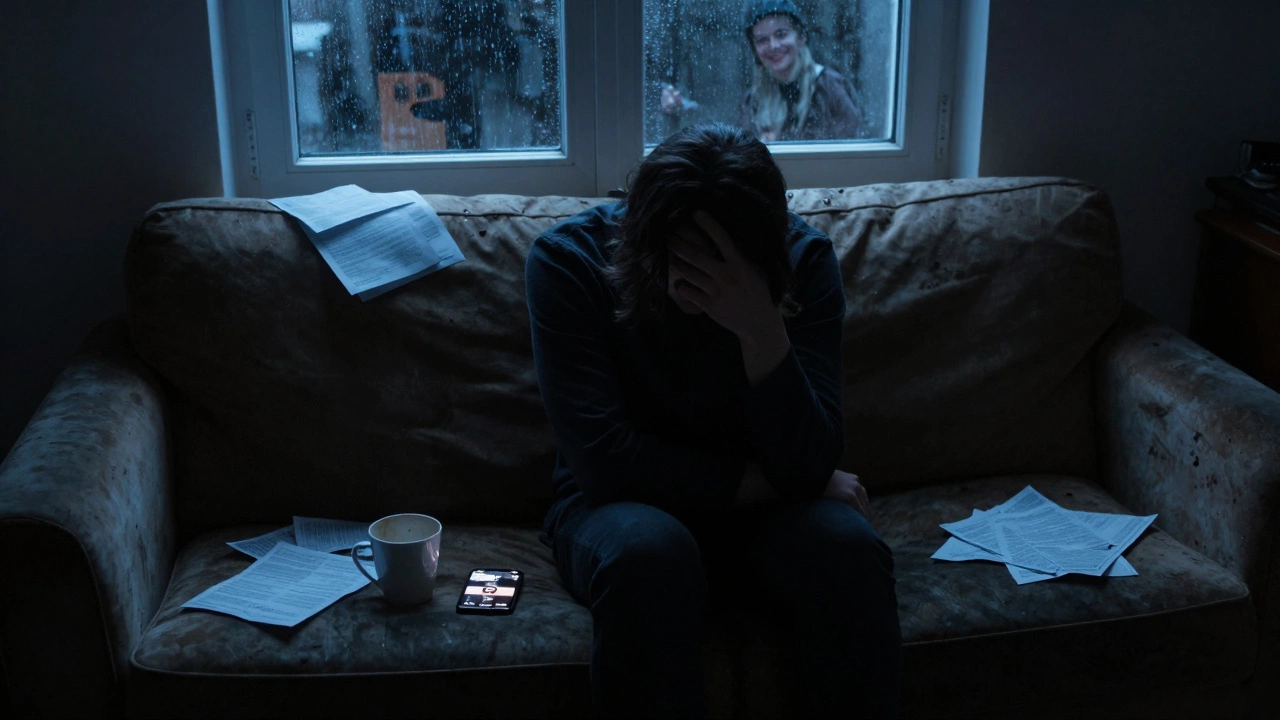
Isolation Mental Health: Why Loneliness Hurts and How to Fight It
When you feel isolation mental health, the psychological strain of being cut off from meaningful human connection. Also known as emotional isolation, it doesn’t require being physically alone—you can feel isolated in a crowded room, at work, or even with family. This isn’t just sadness. It’s a biological stress response. Studies show chronic loneliness raises cortisol levels, weakens your immune system, and increases your risk of heart disease and depression—just like smoking or obesity.
People often confuse social isolation, the objective lack of contact with others. Also known as physical isolation, it’s when you have few or no social interactions with loneliness, the subjective feeling of being disconnected, even when surrounded by people. Also known as emotional isolation, it’s the ache you feel when no one truly gets you. You can be married and lonely. You can live alone and feel deeply connected. The problem isn’t just being alone—it’s feeling unseen, unheard, or unvalued. That’s where the real damage happens.
And it’s more common than you think. After the pandemic, rates of isolation mental health spiked across all age groups—not just the elderly. Young professionals working remotely, new parents, people recovering from illness, even those grieving a loss—they all face this. And because it’s invisible, it’s often ignored. No one asks, "Are you okay?" because they assume you’re fine if you’re not crying or screaming. But isolation doesn’t scream. It whispers. It shows up as exhaustion, irritability, trouble sleeping, or losing interest in things you used to love.
Thankfully, it’s not hopeless. Support doesn’t always mean therapy or medication. Sometimes, it’s a text that says, "I’m here." Sometimes, it’s walking into a community center, joining a free group class, or even volunteering. Small, consistent connections rebuild your sense of belonging. And if you’re helping someone else? Don’t offer advice. Don’t say "just get out more." Just show up. Listen. Ask, "What do you need right now?"—and mean it.
The posts below aren’t about theory. They’re about real people who’ve been there. You’ll find practical ways to recognize isolation mental health in yourself or someone else, what actually helps—beyond clichés—and how to access support, even if you’re on a tight budget. No fluff. No platitudes. Just what works.