
Chronic Pain Self-Assessment Tool
Fill out the form on the left and click "Analyze" to see potential patterns associated with your symptoms.
You wake up stiff. Your shoulders ache before you even hit snooze. By lunch, your lower back throbs, and by evening, your knees feel like they’re grinding gravel. You’re not injured. You didn’t fall off a bike or lift something too heavy last week. The pain is just... there. Constantly.
So, what is it called when your body hurts all the time? If you’re Googling this at 2 AM, you’re likely looking for a label to make sense of the chaos. The short answer: it’s usually chronic pain, specifically a subtype like widespread pain or generalized pain disorder. But that label doesn’t tell you why it’s happening or how to stop it. Let’s break down the actual medical terms, the hidden mechanisms behind them, and what you can actually do about it.
The Medical Labels: What Doctors Actually Call It
When patients say "my whole body hurts," doctors don’t just shrug. They look for specific patterns. The term you’ll hear most often in clinical settings is Chronic Primary Pain. This is defined by the International Association for the Study of Pain (IASP) as pain that persists beyond the normal tissue healing time-usually more than three months-and cannot be explained by another disease process alone.
But "chronic primary pain" is a bucket term. Here are the specific diagnoses that fit the "hurts everywhere" description:
- Fibromyalgia: Characterized by widespread musculoskeletal pain, fatigue, and cognitive issues (often called "fibro fog"). It affects roughly 2-4% of the population, mostly women.
- Myofascial Pain Syndrome: Unlike fibromyalgia, this involves localized trigger points in muscle fascia that refer pain to other areas. If pressing on your shoulder blade makes your head hurt, this might be it.
- Central Sensitization: This isn’t a diagnosis per se, but a mechanism. Your central nervous system becomes hypersensitive. Normal stimuli feel painful (allodynia), and painful stimuli feel excruciating (hyperalgesia). Think of it as a volume knob stuck on maximum.
If your pain started after a specific injury but never went away, it might be classified as Chronic Secondary Pain, such as persistent post-surgical pain or chronic nerve damage.
Why Does My Whole Body Hurt? The Mechanism
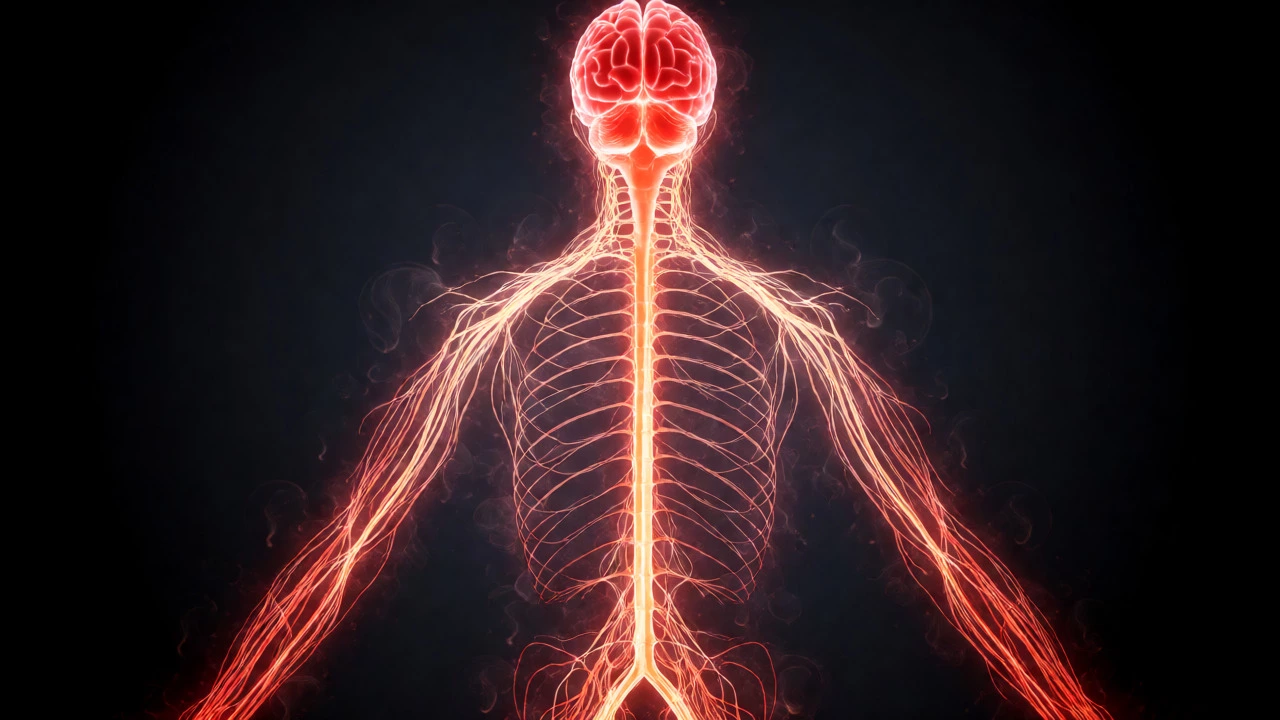
Imagine your nervous system as a smoke alarm. Normally, it goes off when there’s fire (tissue damage). In cases of constant body pain, the alarm has become faulty. It’s ringing because the wiring is glitchy, not because there’s a fire.
This happens through neuroplasticity. Your brain rewires itself based on repeated signals. If you’ve been in pain for years, your brain learns to expect pain. It lowers the threshold for firing pain signals. Suddenly, a slight change in temperature or a mild stretch triggers a full-blown pain response.
It’s also linked to inflammation. Low-grade systemic inflammation, often driven by stress, poor sleep, or diet, keeps immune cells active. These cells release cytokines-chemical messengers that sensitize nerve endings. So, while you might not have visible swelling, your nerves are bathed in inflammatory chemicals 24/7.
Distinguishing Between Fibromyalgia and Other Conditions
Not all widespread pain is fibromyalgia. Autoimmune diseases like Lupus or Rheumatoid Arthritis can mimic it. Thyroid disorders, particularly hypothyroidism, cause muscle aches and stiffness. Vitamin D deficiency is rampant in places like Ireland and causes deep bone pain that feels like it’s coming from inside your legs and arms.
Here’s how to spot the differences:
| Condition | Pain Pattern | Key Accompanying Symptoms | Diagnostic Clue |
|---|---|---|---|
| Fibromyalgia | Widespread, symmetrical, migratory | Fatigue, sleep disturbance, brain fog | Tender points; normal blood tests |
| Rheumatoid Arthritis | Symmetrical, joint-focused | Morning stiffness >30 mins, swelling | Elevated CRP/ESR, Rheumatoid Factor |
| Hypothyroidism | Muscle aches, cramps | Weight gain, cold intolerance, dry skin | High TSH, Low T4 |
| Vitamin D Deficiency | Deep bone/muscle pain | Weakness, mood changes | Low serum 25-hydroxyvitamin D |
| Chronic Fatigue Syndrome (ME/CFS) | Post-exertional malaise | Severe crash after activity | Pain worsens significantly after effort |
The Impact on Daily Life and Mental Health
Pain isn’t just physical. It hijacks your brain chemistry. Chronic pain alters the prefrontal cortex and amygdala-the parts of your brain responsible for decision-making and emotion. This is why people with constant pain often experience anxiety or depression. It’s not "in your head" in the dismissive sense; it’s in your neural pathways.
Sleep disruption creates a vicious cycle. Pain prevents deep sleep. Lack of deep sleep reduces pain tolerance. Lower pain tolerance increases pain perception. Breaking this cycle is often the first step toward management. You can’t fix the pain if you’re running on four hours of broken sleep.
How Is It Diagnosed?
There is no single blood test for fibromyalgia or central sensitization. Diagnosis is largely clinical. A good doctor will take a detailed history. They’ll ask:
- Where exactly does it hurt? (Use a body map.)
- How long has it been going on?
- Does movement help or hurt?
- Do you have sleep or mood issues?
Blood tests are used to rule out other causes. Expect checks for inflammation markers (CRP, ESR), thyroid function, vitamin levels, and autoimmune antibodies. If these come back normal, but you still hurt, you’re likely dealing with a functional pain disorder like fibromyalgia or central sensitization.

Treatment: Moving Beyond Pills
Old-school medicine often reached for opioids. Newer evidence suggests they’re ineffective for non-cancer chronic pain and can worsen sensitivity over time. Instead, current guidelines emphasize a multimodal approach.
Exercise Therapy is the gold standard. It sounds counterintuitive-move when you hurt?-but graded aerobic exercise releases endorphins and improves blood flow to muscles. Start small. Ten minutes of walking beats an hour of bed rest.
Cognitive Behavioral Therapy (CBT) helps retrain the brain’s response to pain signals. It’s not about ignoring pain; it’s about changing your reaction to it. Studies show CBT can reduce pain intensity by 20-30% in chronic pain patients.
Medications may still play a role. Antidepressants like duloxetine or amitriptyline aren’t prescribed here for depression, but because they affect serotonin and norepinephrine, which modulate pain pathways. Gabapentinoids (like pregabalin) can calm overactive nerves, though side effects like dizziness are common.
Practical Steps You Can Take Today
Don’t wait for a specialist appointment to start feeling better. Try these evidence-backed strategies:
- Track your pain: Use an app or notebook. Note pain levels, activities, and sleep. Patterns emerge quickly.
- Heat therapy: Warm baths or heating pads relax tense muscles. Cold packs work best for acute flare-ups.
- Pacing: Break tasks into smaller chunks. Don’t push through pain spikes; rest before they escalate.
- Sleep hygiene: Keep a cool, dark room. Avoid screens an hour before bed. Consistency matters more than duration.
- Nutrition: Reduce processed sugars and alcohol, which fuel inflammation. Focus on omega-3s (salmon, walnuts) and antioxidants (berries).
Is widespread pain always serious?
Not necessarily. While it can signal conditions like lupus or cancer, widespread pain is most commonly associated with benign but debilitating conditions like fibromyalgia or tension-related myofascial pain. However, any new, unexplained pain should be evaluated by a healthcare professional to rule out underlying causes.
Can stress really cause body-wide pain?
Yes. Stress triggers the release of cortisol and adrenaline, which tighten muscles and increase inflammation. Over time, this leads to muscle guarding and increased pain sensitivity. Managing stress through mindfulness, therapy, or lifestyle changes can significantly reduce pain levels.
Why do I hurt more in the morning?
Morning stiffness is common in inflammatory conditions like rheumatoid arthritis and ankylosing spondylitis. It occurs because joints remain immobile during sleep, leading to fluid accumulation and reduced lubrication. Gentle stretching upon waking can help alleviate this.
Is fibromyalgia a real disease?
Absolutely. Once dismissed as "psychosomatic," fibromyalgia is now recognized by major health organizations as a neurological condition involving abnormal pain processing. Brain imaging studies show distinct differences in how fibromyalgia patients process pain signals compared to healthy individuals.
Will exercise make my pain worse?
Initially, yes, some discomfort is expected. However, sedentary behavior worsens chronic pain. Graded exercise-starting very low and increasing slowly-is proven to reduce long-term pain and improve function. The key is consistency over intensity.