Healthcare System Simulator: UK vs US
Select Your Scenario
Choose a medical situation to see how it plays out in both systems.Comparison Results
Public Model
Description goes here.
Insurance Model
Description goes here.
Select a medical scenario on the left to begin the simulation.
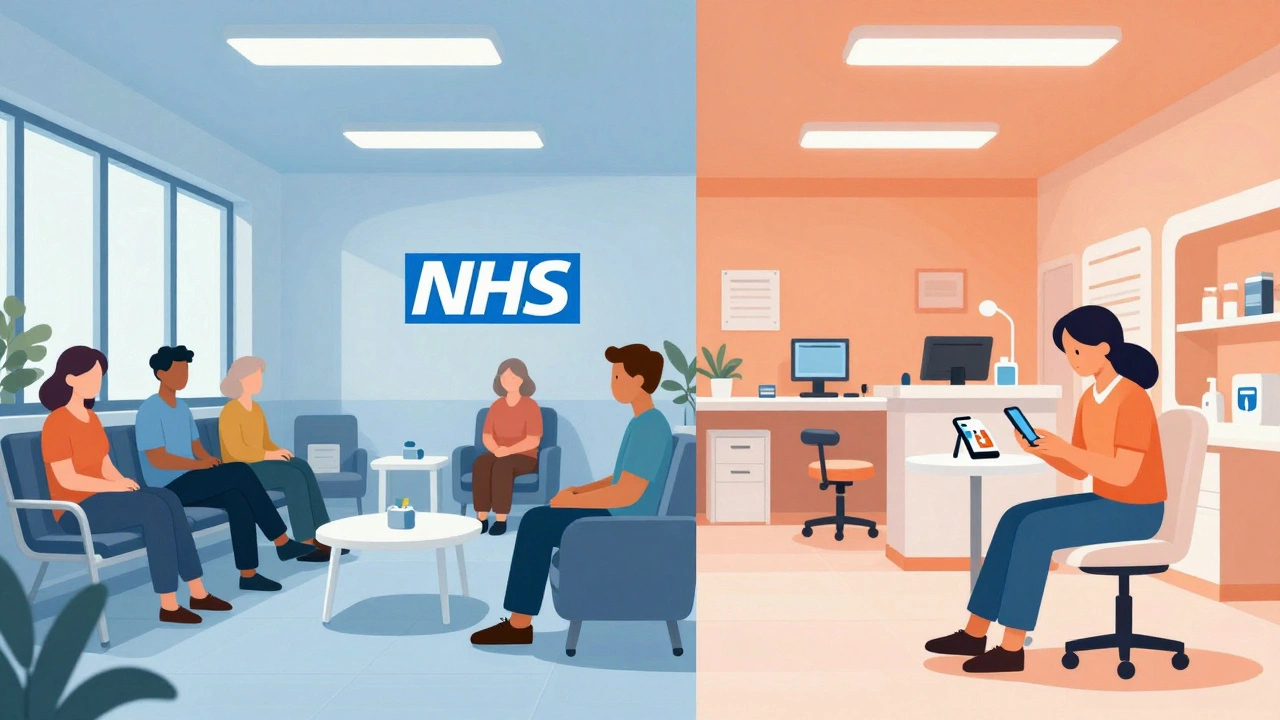
You have a nagging pain in your back. Do you walk into a clinic today, or do you join a queue that could stretch for months? This is the fundamental choice between two of the world’s most discussed medical systems. One promises care based on need, not wealth. The other promises speed and cutting-edge technology, provided you can afford it. The question isn’t just about which system is 'better' in theory. It is about which one works for you when things go wrong.
Comparing UK healthcare, centered on the National Health Service (NHS), with the United States’ mixed public-private model reveals stark contrasts. The UK system is funded by taxes and offers free-at-the-point-of-use care. The US system relies heavily on employment-based healthcare insurancecoverage purchased by individuals or employers to pay for medical services. Neither is perfect. Each has deep flaws and significant strengths depending on what you value most: cost predictability or immediate access.
The Cost Factor: Who Pays the Bill?
If you are worried about bankruptcy from a hospital stay, the UK wins by a landslide. In the United Kingdom, the National Health Service (NHS)the publicly funded healthcare system in the United Kingdom covers almost everything. You do not see a bill after an emergency room visit, a surgery, or a specialist consultation. Prescription costs are capped at a fixed fee per item, currently around £9.65, though many groups like children, seniors, and those on low incomes get them for free.
In the US, the financial risk is personal. Even with insurance, you face deductibles, co-pays, and out-of-pocket maximums. A simple ER visit for a minor issue can cost hundreds of dollars if you are underinsured. Major surgeries can run into tens of thousands. According to data from the Commonwealth Fund, Americans spend nearly twice as much per capita on health as people in other high-income nations, yet they often receive lower quality care for chronic conditions. The stress of navigating these bills is a unique burden in the American experience.
| Service | UK (NHS) | US (Average with Insurance) |
|---|---|---|
| Emergency Room Visit | £0 | $1,000 - $3,000+ |
| Primary Care Consultation | £0 | $15 - $75 co-pay |
| Prescription Drugs | ~£9.65/item | $10 - $500+ depending on tier |
| Knee Replacement Surgery | £0 (patient cost) | $15,000 - $50,000+ |
Access and Speed: The Waiting Game
Money is only half the story. Time is the other. If you need an MRI for a suspected tumor, how long do you wait? In the UK, NHS waiting timesthe duration patients must wait for non-emergency treatments and diagnostics have become a major political issue. As of 2024-2025, millions of people were on backlogs for elective surgeries like hip replacements and cataract operations. Getting a routine referral from a General Practitioner (GP) to a specialist can take weeks or even months. For life-threatening emergencies, however, the A&E (Accident & Emergency) departments are generally efficient, though overcrowding is common.
In the US, if you have good insurance and money, you can often see a specialist within days. Private clinics operate on efficiency. You can schedule a knee replacement next week. But this speed comes with a catch: gatekeeping. Without a primary care physician’s referral, many insurance plans won’t cover the specialist. And if you are uninsured or underinsured, you might delay care entirely due to cost, leading to worse outcomes later. The US system rewards those who can navigate its complexity quickly; the UK system forces everyone into the same line, regardless of status.
Quality of Care and Outcomes
Which system keeps you alive longer? On paper, the UK performs surprisingly well. Life expectancy in the UK is comparable to many Western European nations, and the NHS excels at preventative care and managing chronic diseases like diabetes and hypertension through community-based GP practices. The focus is on population health rather than individual profit.
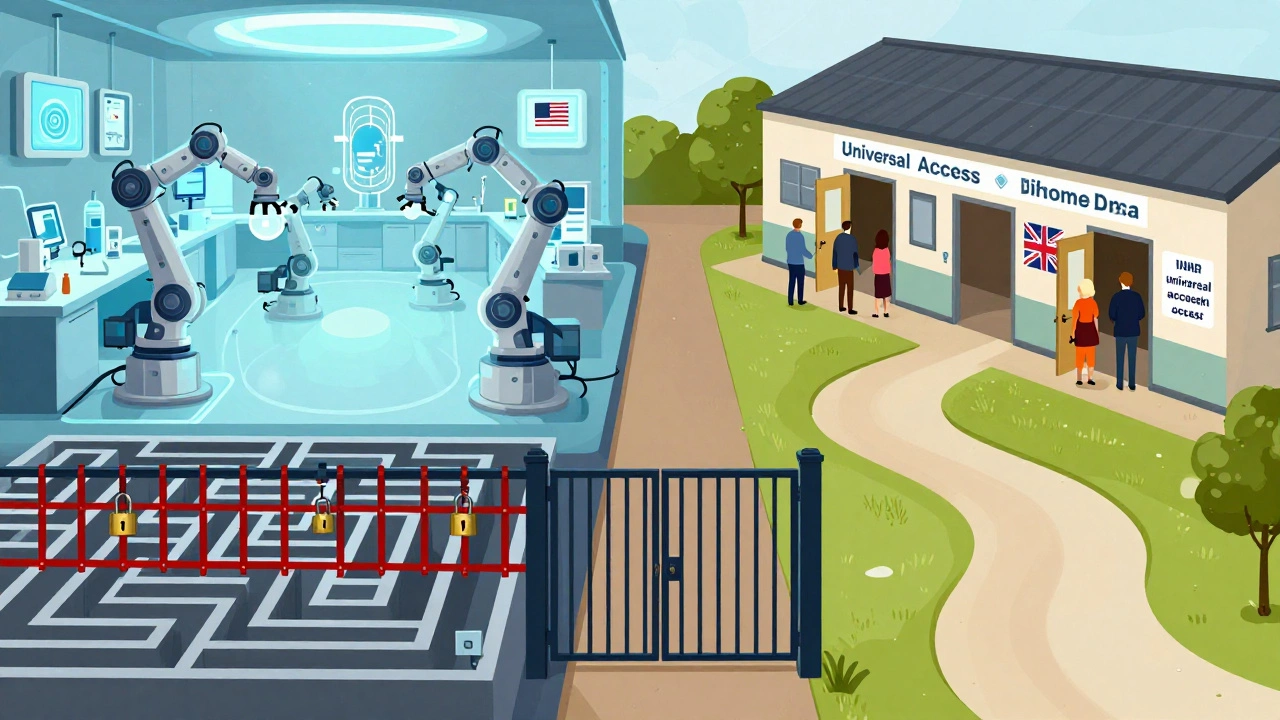
The US leads in innovation. New drugs, experimental therapies, and advanced surgical techniques often arrive in America first. If you have cancer, you may have access to targeted immunotherapies years before they are approved and funded in the UK. However, this technological edge doesn’t always translate to better survival rates for common conditions. Studies consistently show that the US lags behind peer nations in infant mortality, maternal health outcomes, and management of heart disease. The fragmentation of the US system means patients often fall through the cracks, whereas the integrated nature of the NHS ensures continuity of care.

The Role of Private Healthcare in the UK
Many people assume the UK system is purely public. That is no longer true. Private healthcare UKsupplementary medical services paid for out-of-pocket or via private insurance has grown significantly. Wealthier Britons buy private insurance to bypass NHS waiting lists. They see consultants faster, choose their surgeons, and stay in nicer rooms. Companies like Bupa and AXA PPP dominate this space. This creates a two-tier reality: the rich get fast, personalized care, while the rest wait. Yet, even private hospitals in the UK rely heavily on NHS-trained staff and facilities, blurring the lines between the two sectors.
Insurance Complexity: Simplicity vs Choice
In the UK, you don’t shop for insurance. You pay taxes, and you are covered. There is no network to check, no pre-authorization forms to fill out for standard care. The administrative burden on patients is near zero. In the US, healthcare insurancefinancial protection against medical expenses is a complex product. You choose between HMOs, PPOs, and EPOs. You worry about whether your doctor is 'in-network.' You fight denials. This complexity consumes billions of dollars annually in administrative costs-money that never touches a patient’s body. For someone living abroad or moving between countries, the simplicity of the UK model is often a relief, but the lack of choice can feel restrictive.
Mental Health and Social Care
Mental health support highlights another gap. The NHS provides talking therapies (like CBT) and psychiatric care for free. Wait times for these services are long, but the door is open. In the US, mental health coverage varies wildly by plan. High deductibles mean many people skip therapy sessions because $50 per visit adds up. Consequently, the US sees higher rates of untreated severe mental illness among low-income populations. Social care, such as help for the elderly at home, is also more robustly integrated into the UK’s social safety net, although local council funding cuts have strained this area recently.
Which System Is Better for You?
There is no single winner. If you value financial security and universal access, the UK system is superior. You will never go bankrupt from illness. If you value speed, choice, and access to the latest unproven treatments, and you have the income to support it, the US system offers more flexibility. For expats or travelers, understanding these differences is crucial. Relying solely on travel insurance in the UK might leave gaps if you need long-term treatment, while assuming US care is affordable without comprehensive international health insurance is a dangerous mistake.
Is healthcare free in the UK?
Most NHS services are free at the point of use for residents, funded by taxes. However, there are small charges for prescriptions, dental treatments, and eye tests. Non-residents may be charged for certain services unless covered by a reciprocal healthcare agreement.
Can I buy private health insurance in the UK?
Yes, many people purchase private health insurance to access faster appointments, private rooms, and elective procedures without waiting on the NHS list. It does not replace the NHS but supplements it.
Why are healthcare costs so high in the US?
High costs stem from expensive administrative processes, higher prices for drugs and medical devices, a fee-for-service payment model that encourages volume over value, and limited price negotiation power compared to single-payer systems.
Do NHS waiting times affect emergency care?
Generally, no. Emergency care in A&E is prioritized based on clinical urgency. Long waits usually apply to non-urgent elective surgeries and specialist referrals. However, ambulance response times can be delayed during peak periods.
Is US healthcare better for chronic conditions?
Not necessarily. While the US offers advanced treatments, studies show the UK often achieves better outcomes for chronic diseases like diabetes and heart disease due to stronger preventative care and continuous management through GPs.