Dental Implant Recovery Timeline & Pain Predictor
Select a day below to see what to expect regarding pain levels, symptoms, and recommended actions during your recovery.
Top Tip for This Day
Apply ice packs immediately to reduce initial swelling.
You’re sitting in a chair in London or Manchester, heart pounding, wondering if you’ve made a mistake. The idea of having metal screws drilled into your jawbone sounds like something out of a horror movie. You’ve heard stories from friends about endless pain, swollen faces, and weeks off work. But here is the truth that most dentists won’t tell you until it’s too late: Dental implants are not the torture they seem.
In fact, for most patients in the UK, the procedure itself is completely painless thanks to modern anaesthesia. The real question isn’t whether it hurts during the surgery-it’s how you manage the few days of discomfort afterwards. Let’s cut through the fear and look at exactly what happens, what it costs on the NHS versus private clinics, and how to keep the pain manageable.
The Reality of Pain During Surgery
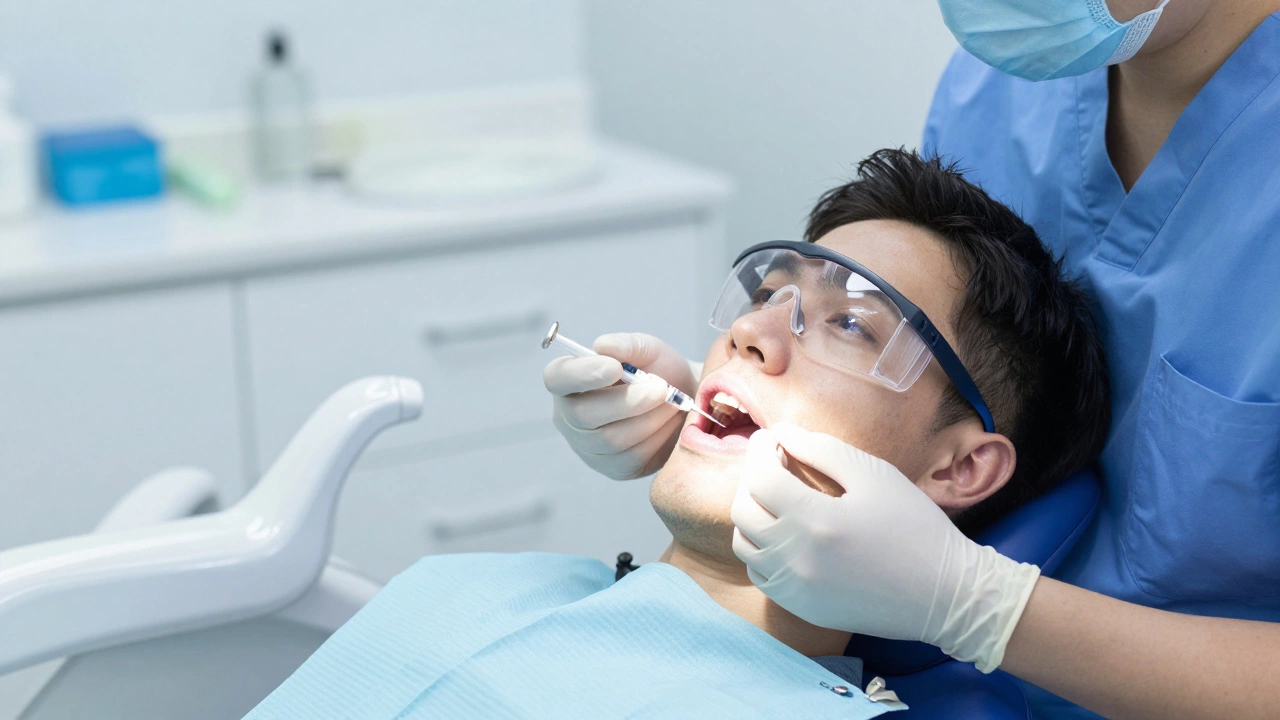
First things first: you will not feel pain while the surgeon is working. This is non-negotiable in any reputable clinic across the UK. Your dentist will use local anaesthetic, similar to what you get for a filling, but stronger. For anxious patients, many practices offer sedation dentistry, which can range from nitrous oxide (laughing gas) to IV sedation where you drift into a light sleep.
The sensation you might feel is pressure. Think of it like someone pushing firmly against your gum. You’ll hear the drill, which can be unsettling, but you won’t feel sharp pain. If you do, you raise your hand, and the dentist tops up the anaesthetic immediately. It’s a simple protocol that ensures comfort.
Why does this matter? Because anxiety amplifies pain perception. When you know you’re safe, your body relaxes, which actually helps the healing process later on. In the UK, the General Dental Council (GDC) strictly regulates these procedures, ensuring that every clinician follows best practices for patient comfort.
Post-Operative Discomfort: What to Expect
Once the anaesthetic wears off, usually within 2-4 hours, you will feel some soreness. This is normal. It’s your body’s inflammatory response to the trauma of drilling and screwing the titanium post into the bone. Most patients describe it as a dull ache, similar to a toothache after a deep filling.
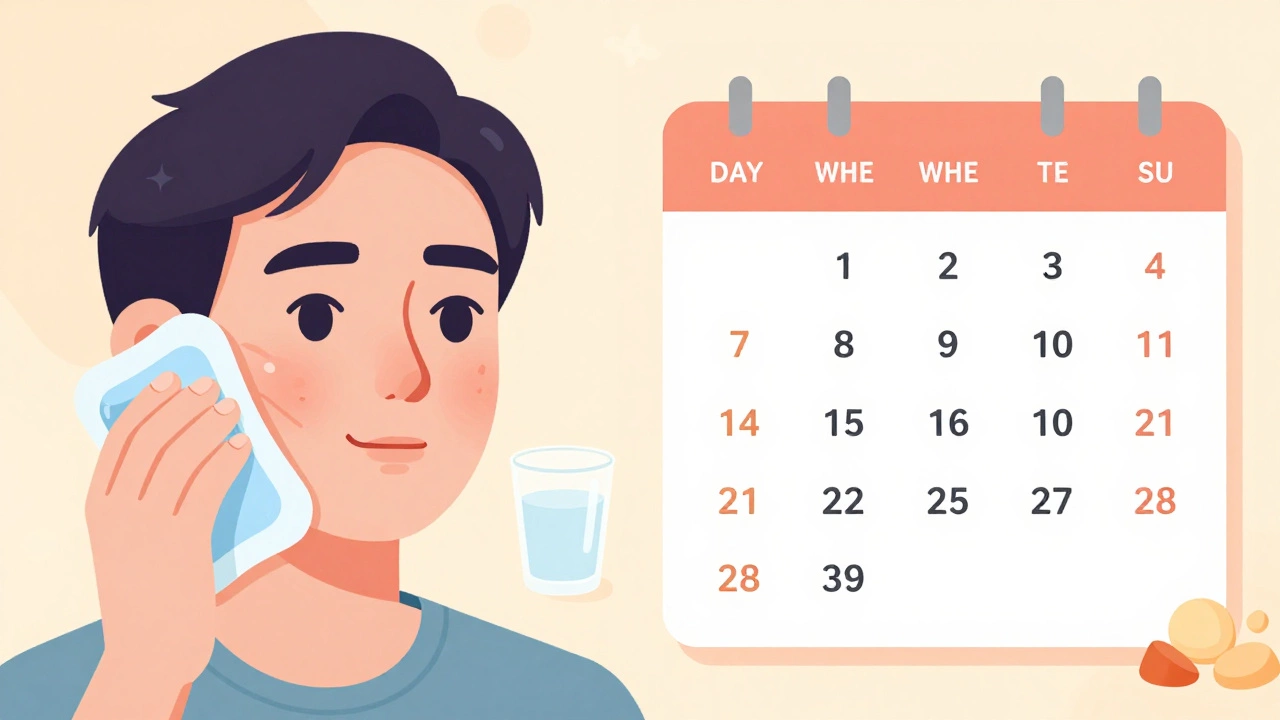
- Day 1: Mild throbbing. Swelling begins around the cheek.
- Day 2: Peak swelling and bruising may occur. Pain is manageable with over-the-counter medication.
- Day 3: Swelling starts to subside. Soreness decreases significantly.
- Day 4-7: Most people return to normal activities. Any remaining discomfort is minor.
This timeline assumes a straightforward single-tooth implant. If you’re getting multiple implants or a full arch restoration like All-on-4, the recovery period might be slightly longer, and the initial swelling more pronounced. However, the principle remains the same: it’s uncomfortable, not agonizing.
A common misconception is that you need strong prescription painkillers. In reality, most UK dentists recommend sticking to paracetamol and ibuprofen. These anti-inflammatories are highly effective for dental pain and have fewer side effects than opioids. Only in rare cases of complex surgery will a dentist prescribe stronger medication.
NHS vs Private: Does Payment Method Change Pain?
This is a crucial distinction in the UK healthcare system. Getting dental implants through the National Health Service is exceptionally difficult. The NHS generally considers implants a cosmetic procedure unless there’s a specific medical necessity, such as trauma or congenital defects. Even then, availability varies wildly by region.
If you do qualify for NHS implants, the clinical standard is the same. The pain management protocols don’t change based on who pays the bill. However, private treatment often offers more flexibility in terms of timing and follow-up care. Private clinics may provide more personalized post-op check-ins, which can give you peace of mind if you’re worried about complications.
Cost is a bigger factor than pain. An NHS band charge might cover a basic assessment, but the actual implant procedure is rarely covered. Private costs in the UK typically range from £2,000 to £3,500 per implant, depending on location and complexity. London and the South East tend to be at the higher end of this spectrum.
| Feature | NHS | Private |
|---|---|---|
| Availability | Limited; only for medical necessity | Widely available |
| Cost | Band charges + potential extra fees | £2,000 - £3,500 per implant |
| Waiting Time | Months to years | Weeks to months |
| Pain Management | Standard protocols | Standard protocols + optional sedation |
Factors That Influence Pain Levels
Not everyone experiences the same level of discomfort. Several factors play a role in how painful your recovery will be:
- Bone Density: If your jawbone is dense, the implant integrates faster, leading to less long-term soreness. Low bone density may require a bone graft, which adds to the initial trauma and recovery time.
- Surgical Complexity: Simple single-tooth replacements hurt less than full-mouth reconstructions. More incisions mean more swelling.
- Personal Pain Threshold: Everyone handles pain differently. Some people breeze through it; others find even mild soreness distressing.
- Aftercare Compliance: Following your dentist’s instructions is vital. Skipping rinses or eating hard foods can irritate the site and increase pain.
Smoking is another major culprit. Nicotine constricts blood vessels, reducing blood flow to the healing site. This not only increases pain but also raises the risk of infection and implant failure. If you smoke, quitting even for a week before and after surgery can make a significant difference in your comfort levels.
Tips to Minimize Discomfort
You have control over how much pain you experience after the surgery. Here are practical steps to keep discomfort low:
- Cold Compresses: Apply an ice pack to your cheek for 15 minutes on, 15 minutes off during the first 24 hours. This reduces swelling and numbs the area.
- Soft Diet: Stick to yoghurt, soup, mashed potatoes, and smoothies for the first few days. Avoid hot, spicy, or crunchy foods.
- Elevation: Keep your head elevated when sleeping for the first night or two. This prevents blood from pooling in the head, which can cause throbbing.
- Gentle Hygiene: Don’t brush directly over the implant site for the first 24 hours. After that, use a soft-bristled toothbrush and avoid vigorous rinsing.
- Medication Schedule: Take your painkillers regularly for the first 48 hours, rather than waiting for the pain to peak. This keeps inflammation under control.
These aren’t just suggestions-they’re proven strategies used by oral surgeons worldwide. Ignoring them often leads to unnecessary suffering.

When to Worry About Pain
Some pain is normal. Severe, unrelenting pain is not. Contact your dentist immediately if you experience:
- Pain that worsens after day 3 instead of improving.
- Fever or chills, which could indicate an infection.
- Excessive bleeding that doesn’t stop with pressure.
- A foul taste or pus discharge from the surgical site.
These symptoms suggest complications like dry socket or infection. Early intervention prevents minor issues from becoming major problems. In the UK, most private clinics offer emergency lines for post-op concerns, so you’re never left hanging.
The Long-Term View
Remember, dental implants are a long-term investment. While the initial recovery involves some discomfort, the result is a permanent solution that feels and functions like natural teeth. Unlike dentures, which can slip and cause sore spots, implants fuse with your bone. Once healed, you forget they’re there.
Studies show that patient satisfaction rates for dental implants exceed 90%. Most people say they wish they had done it sooner because the freedom of chewing normally outweighs the brief period of recovery pain. In the UK, with its high standards of dental care, you can expect safe, effective treatment that prioritizes your comfort.
Do dental implants hurt during the procedure?
No, you should not feel pain during the procedure. Local anaesthetic ensures the area is numb, and sedation options are available for anxious patients. You may feel pressure, but no sharp pain.
How long does the pain last after dental implants?
Most patients experience mild to moderate soreness for 3-7 days. Peak discomfort usually occurs on day 2, followed by gradual improvement. Over-the-counter painkillers are typically sufficient.
Can I get dental implants on the NHS in the UK?
It is very difficult. The NHS usually only covers implants for medical reasons, such as trauma or congenital defects. Cosmetic cases are typically treated privately.
What is the best painkiller for dental implant recovery?
A combination of paracetamol and ibuprofen is often recommended. These reduce inflammation and pain effectively without the risks associated with stronger prescription medications.
Does smoking affect dental implant pain?
Yes, smoking increases pain and slows healing. Nicotine restricts blood flow, raising the risk of infection and implant failure. Quitting before and after surgery improves outcomes.