Facelift Cost & Safety Comparison Tool
Estimate your total expenditure and compare regulatory safety standards across top global destinations for 2026.
1. Select Destination
2. Estimate Your Costs
Surgical Fee Range: £8,000 - £15,000 | Est. Travel/Accommodation: £0
3. Total Cost Breakdown
Estimated Total Investment
£12,650
Includes approx. 10% buffer for hidden fees
Safety & Recovery Profile
Regulatory Body
GMC / BAAPS
Recovery Support
Local access, NHS backup
Safety Rating
High
Walking into a clinic for a facelift is a major surgical procedure designed to tighten loose skin and restore youthful contours to the face and neck. You are likely asking this question because you want results that look natural, not "pulled," but you are also worried about hidden risks. The "best" place isn't just the one with the lowest price tag or the most Instagram filters. It is the location where the surgeon's skill matches your specific anatomy and where the legal protections back you up if something goes wrong.
This guide breaks down where people actually go for this surgery in 2026, why the UK remains a top contender despite high costs, and how to vet a facility so you don't end up with complications. We will look at the real trade-offs between domestic care and international travel, focusing on safety, cost, and long-term outcomes.
Why Location Matters More Than Price
Many patients assume that a facelift is a commodity. They think any board-certified surgeon can do it the same way. This is a dangerous misconception. A facelift involves lifting the SMAS (Superficial Musculoaponeurotic System) layer, which requires precise anatomical knowledge. If the tension is off by even a few millimeters, you risk nerve damage or an unnatural expression.
The "best" location is defined by three factors:
- Regulatory Oversight: How strictly does the country regulate plastic surgeons? In the UK, for example, only GMC-registered doctors can perform these procedures. In some other countries, the rules are looser.
- Complication Management: What happens if you bleed or get an infection two days after surgery? Can you easily return to the hospital?
- Surgeon Volume: Does the doctor perform enough of these surgeries each year to maintain high proficiency?
If you choose a destination solely based on saving £5,000, you might pay for that savings later with revision surgery. The goal is to find a balance between value and verified expertise.
The UK: The Gold Standard for Safety
For many residents in Ireland and across Europe, the UK remains the primary destination for elective cosmetic surgery. Why? Because the regulatory framework is robust. The General Medical Council (GMC) maintains a public register of all licensed doctors. Before booking, you can verify if your surgeon is on this list and check for any past disciplinary actions.
Furthermore, the British Association of Aesthetic Plastic Surgeons (BAAPS) sets strict standards for clinics. They require specific equipment, sterile environments, and post-operative care protocols. While the UK is expensive, the insurance and legal recourse are strong. If a complication arises, the path to resolution is clearer than in jurisdictions with weaker consumer protection laws.
London, Manchester, and Birmingham host some of the highest-volume aesthetic centers in the world. Surgeons here see a wide variety of facial structures, from deep-set eyes to prominent jowls, which keeps their skills sharp.
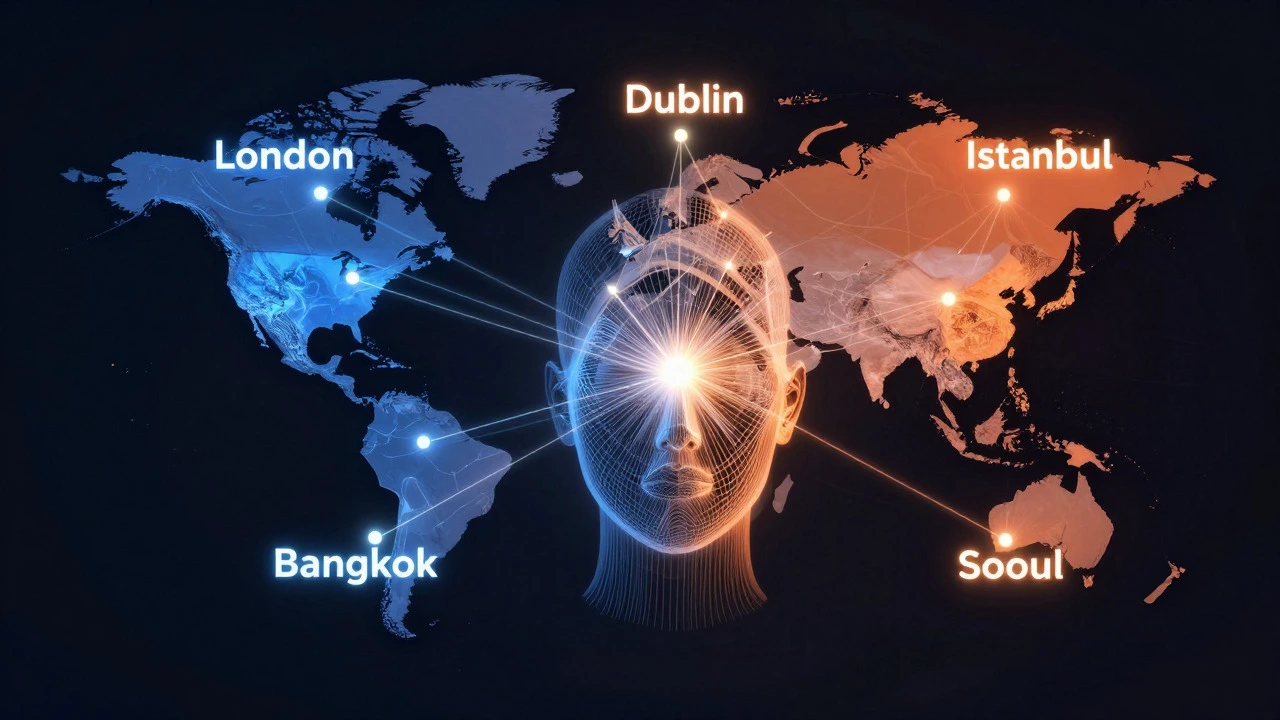
International Hubs: Turkey, Thailand, and South Korea
If budget is a major constraint, you might consider medical tourism. Three destinations dominate the global market for facelifts.
Turkey: Istanbul and Ankara
Turkey has become a massive hub for plastic surgery. The exchange rate makes procedures significantly cheaper than in Western Europe. Istanbul, in particular, attracts thousands of patients annually. The quality of care has improved dramatically over the last decade, with many clinics catering specifically to English-speaking tourists.
However, language barriers and time zones can complicate follow-up care. Most patients stay for five to seven days. If a minor issue arises after you fly home, coordinating with the surgeon via email or video call can be slow. You need to ensure the clinic offers clear post-op instructions in your native language.
Thailand: Bangkok and Phuket
Thailand offers a blend of luxury hospitality and skilled surgical teams. Many hospitals in Bangkok are JCI (Joint Commission International) accredited, which is a high standard for patient safety. The cost is generally lower than the UK, but higher than Turkey. The main draw is the recovery environment; you can hire private nurses and stay in hotel-like facilities while you heal.
South Korea: Seoul
Seoul is the undisputed leader in facial aesthetics, particularly for Asian features. If you have East Asian facial characteristics, Korean surgeons often have more experience with the specific bone structure and skin thickness involved. Their approach to facelifts often focuses on subtlety and longevity. However, unless you speak Korean or hire a certified interpreter, communication during consultations can be challenging.

Comparing Top Destinations for Facelifts
To help you decide, here is a comparison of the key factors for the most popular destinations. Note that prices vary widely based on the complexity of the procedure (e.g., deep plane vs. mini-lift).
| Destination | Avg. Cost (GBP) | Regulatory Body | Recovery Support | Best For |
|---|---|---|---|---|
| United Kingdom | £8,000 - £15,000 | GMC / BAAPS | Local access, NHS backup | Maximum safety, complex cases |
| Ireland | £7,500 - £14,000 | Medical Council of Ireland | Local access, familiar system | Convenience, Irish residents |
| Turkey | £3,000 - £6,000 | Ministry of Health | Hotel packages, concierge | Budget-conscious travelers |
| Thailand | £4,500 - £8,000 | JCI Accredited Hospitals | Luxury recovery suites | All-inclusive experiences |
| South Korea | £5,000 - £9,000 | Korean Society of Plastic Surgery | Interpreter services | East Asian facial features |
How to Vet a Surgeon Regardless of Location
No matter where you choose to go, the surgeon matters more than the building. Here is how to verify their credentials without getting overwhelmed.
- Check Board Certification: Ensure they are certified in plastic surgery, not just general surgery. In the US, this means ABPS certification. In the UK, it means membership in the Royal College of Surgeons.
- Review Before-and-After Photos: Look for unedited photos. Ask to see examples of patients who looked like you before surgery. Did the results look natural? Or did the patients look surprised or stretched?
- Ask About Complication Rates: A good surgeon will openly discuss risks. If they promise zero risk, walk away. Ask specifically about hematoma rates and nerve injury statistics.
- Verify Clinic Accreditation: Is the clinic accredited by a recognized body? In the UK, look for CQC registration. Internationally, look for JCI accreditation.
During your consultation, bring a trusted friend or family member. When you are nervous, it is easy to nod along to what the doctor says. Having a second set of ears helps you catch inconsistencies.
Hidden Costs to Consider
The quoted price for the surgery is rarely the final number. You need to budget for the following additional expenses:
- Anesthesia Fees: Sometimes billed separately from the surgeon's fee.
- Hospital Charges: Even for day-case procedures, there may be facility fees.
- Medications: Antibiotics, painkillers, and compression garments.
- Travel and Accommodation: If traveling internationally, factor in flights, hotels, and potential extended stays for swelling management.
- Revision Costs: Keep a reserve fund in case minor adjustments are needed six months later.
In the UK and Ireland, these extras can add 10-15% to the total cost. In medical tourism hubs, these are often bundled into a package, which can make budgeting easier but less transparent.
Recovery and Aftercare Logistics
A facelift is not a weekend trip. Swelling peaks around day three to five and can take several weeks to fully subside. You will need to sleep with your head elevated for at least two weeks. Bruising is common and may persist for up to four weeks.
If you choose an international destination, plan for a minimum of ten days. Days one through three are the most critical for monitoring bleeding. By day seven, you can usually fly home safely, but you should still have a local GP or nurse available to check your incisions. Flying too early increases the risk of blood clots and can worsen swelling due to cabin pressure changes.
Frequently Asked Questions
Is it safer to get a facelift in the UK or abroad?
Generally, the UK offers stronger legal protections and stricter regulatory oversight through the GMC. However, top-tier clinics in Turkey and Thailand are also highly safe if they hold JCI accreditation. The "safest" choice depends on verifying the specific surgeon's credentials rather than just the country's reputation.
How much cheaper is a facelift in Turkey compared to the UK?
You can expect to save approximately 50% to 60% on the surgical fee in Turkey. A procedure costing £10,000 in London might cost £4,000 to £5,000 in Istanbul. However, you must add travel and accommodation costs, which typically range from £1,500 to £2,500 for a week-long stay.
What is the best age to get a facelift?
There is no single "best" age. Most patients are between 45 and 65 years old. The ideal candidate has significant sagging skin and good underlying muscle tone. Younger patients (30s) might benefit more from non-surgical options, while older patients (70+) need realistic expectations regarding healing times.
Does a facelift hurt?
The procedure itself is performed under general anesthesia, so you feel nothing. During recovery, you will experience tightness, bruising, and discomfort, which is manageable with prescribed pain medication. Most patients report that the first 48 hours are the most uncomfortable, followed by a gradual improvement.
Can I fly immediately after a facelift?
It is recommended to wait at least 7 to 10 days before flying. Flying too soon can increase swelling due to pressure changes and raises the risk of deep vein thrombosis (DVT). If you are traveling internationally for the surgery, plan your flight home for at least one week post-operation.