
Chronic Pain Medication Matcher
Select your primary pain characteristics below to see which medication classes are typically recommended as first-line or second-line treatments. This tool is for educational purposes only.
Recommended Approach
Fill in the details above and click "Analyze My Pain Profile" to see tailored suggestions.
Living with chronic pain is a daily battle that affects sleep, mood, and physical ability. Many people turn to medication as the first line of defense, but choosing the right tablet isn't just about finding something that stops the hurt. It’s about managing side effects, avoiding dependency, and matching the drug to the specific type of pain you’re experiencing. Whether it’s dull ache from arthritis or sharp shooting sensations from nerve damage, the "best" tablet varies significantly from person to person.
This guide breaks down the main classes of painkillers used in modern medicine. We’ll look at how they work, who they suit best, and what pitfalls to watch out for. The goal here is to help you have a more informed conversation with your doctor, so you can find a regimen that lets you live your life rather than just survive it.
Understanding the Types of Chronic Pain
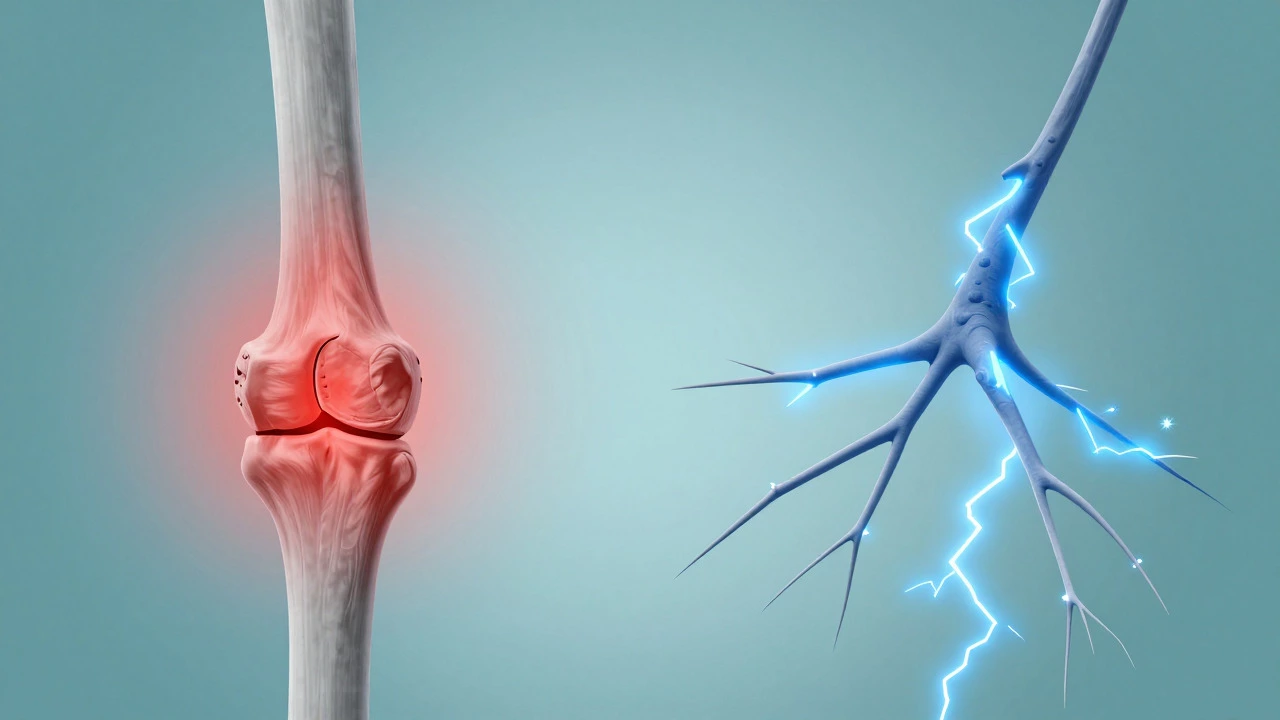
Before picking a pill, you need to know what kind of pain you’re dealing with. Doctors generally categorize chronic pain into two main buckets: nociceptive and neuropathic. Nociceptive pain comes from tissue damage, like inflammation in joints or muscles. Think of the grinding sensation in knees with osteoarthritis or the stiffness in lower backs after an injury. This type usually responds well to anti-inflammatories.
Neuropathic pain is different. It arises when nerves themselves are damaged or irritated. Imagine burning, tingling, or electric-shock feelings. Conditions like diabetic neuropathy or sciatica fall into this category. Standard painkillers often fail here because the issue isn’t inflammation; it’s faulty signaling. Using the wrong class of medication for neuropathic pain is a common reason why patients feel their treatment isn’t working.
First-Line Options: Non-Opioid Analgesics
For most people starting treatment, doctors begin with non-opioid options. These are safer for long-term use and carry less risk of addiction. The two main players here are paracetamol (known as acetaminophen in the US) and NSAIDs.
Paracetamol is the gentlest option. It works by blocking pain signals in the brain without causing significant inflammation. It’s effective for mild to moderate pain and has fewer stomach issues than other drugs. However, it’s not a powerhouse. If your pain is severe, paracetamol alone might not cut it. Also, be careful with dosage; taking too much over time can quietly damage your liver.
NSAIDs, or non-steroidal anti-inflammatory drugs, are the heavy hitters for inflammatory pain. Common examples include ibuprofen, naproxen, and diclofenac. They reduce swelling and pain simultaneously. If you have rheumatoid arthritis or acute back pain with inflammation, these are often the go-to. But they come with caveats. Long-term use can irritate the stomach lining, increase blood pressure, and stress the kidneys. If you have a history of ulcers or heart disease, your doctor will likely weigh these risks carefully.
When Nerves Are Involved: Neuropathic Agents
If standard painkillers aren’t touching the problem, you might have neuropathic pain. In these cases, doctors prescribe medications originally designed for other conditions. This might sound strange, but these drugs calm down hyperactive nerves.
Gabapentin and its cousin pregabalin are frequently prescribed. They work by binding to calcium channels in the nervous system, reducing the release of excitatory neurotransmitters. You won’t feel immediate relief; it takes weeks to build up effectiveness. Drowsiness and dizziness are common early on, so start with low doses. Topical treatments like lidocaine patches can also help if the pain is localized to a small area, such as shingles aftermath.
Another option includes certain antidepressants, specifically tricyclics like amitriptyline or SNRIs like duloxetine. Despite their name, they are used for pain at lower doses than those used for depression. They alter how the brain processes pain signals. Duloxetine is particularly noted for helping with both chronic musculoskeletal pain and associated mood changes. If you struggle with anxiety or low mood alongside pain, these dual-action drugs can be a strategic choice.
Opioids: The Last Resort?
Mentioning opioids brings up strong reactions. Drugs like codeine, oxycodone, and morphine are powerful. They bind to opioid receptors in the brain and spinal cord to block pain perception. For short-term, severe pain-like after surgery-they are invaluable. But for chronic pain lasting months or years, the picture gets complicated.
The main concerns are tolerance and dependence. Over time, you may need higher doses to get the same effect. Withdrawal symptoms can be physically miserable if you stop abruptly. There’s also the risk of side effects like constipation, nausea, and sedation, which can make daily life harder. Guidelines in many countries, including Ireland and the UK, now recommend using opioids cautiously for chronic non-cancer pain. They are usually reserved for cases where other treatments have failed and the benefits clearly outweigh the risks. If you are on opioids, regular reviews with your specialist are essential to adjust dosages and monitor for signs of misuse.
Comparing Common Pain Medications
To visualize the differences, let’s look at a comparison of the primary medication classes. This table highlights key attributes to help you discuss options with your healthcare provider.
| Medication Class | Best For | Common Side Effects | Dependency Risk |
|---|---|---|---|
| Paracetamol | Mild to moderate pain | Liver toxicity (if overdosed) | Low |
| NSAIDs (e.g., Ibuprofen) | Inflammatory pain (arthritis, back pain) | Stomach irritation, kidney strain | Low |
| Neuropathic Agents (e.g., Gabapentin) | Nerve pain (burning, tingling) | Drowsiness, dizziness | Moderate |
| Opioids (e.g., Oxycodone) | Severe pain unresponsive to others | Constipation, sedation, nausea | High |

Combining Treatments for Better Results
Rarely does one single tablet solve everything. Modern pain management often involves a multimodal approach. This means combining different types of medications that target pain through different mechanisms. For example, you might take an NSAID for joint inflammation and a low-dose antidepressant for background nerve sensitivity. Adding topical agents like capsaicin cream can provide localized relief without systemic side effects.
Non-pharmacological strategies should always run parallel to medication. Physiotherapy strengthens the muscles supporting painful areas, while cognitive behavioral therapy helps manage the emotional burden of pain. Exercise, even light walking or swimming, releases endorphins, your body’s natural painkillers. Ignoring these elements can lead to a cycle where you rely more heavily on pills, increasing the dose and potential side effects.
Practical Tips for Managing Your Medication
Managing chronic pain meds requires discipline. Keep a pain diary. Note down your pain levels, what you were doing, and when you took your medication. This data is gold for your doctor. It helps identify patterns and triggers that you might not notice day-to-day.
Don’t mix medications without checking. Some combinations can be dangerous. For instance, mixing NSAIDs with blood thinners increases bleeding risk. Always tell every doctor you see about all the pills you take, including over-the-counter ones. Finally, review your treatment regularly. What worked six months ago might not be optimal today. As your condition evolves, your medication plan should too.
Frequently Asked Questions
Can I take paracetamol and ibuprofen together?
Yes, they are often taken together for better pain relief because they work differently. However, ensure you don’t exceed the maximum daily dose of either medication. Always follow the label instructions or your doctor’s advice regarding timing and dosage.
Are opioids addictive?
All opioids carry a risk of physical dependence and addiction. While many people use them safely under medical supervision for chronic pain, the risk increases with higher doses and longer duration. Regular monitoring by a specialist is crucial to minimize these risks.
Why doesn’t my painkiller work anymore?
This could be due to tolerance, where your body adjusts to the drug, or because the underlying cause of pain has changed. It might also indicate that the current medication isn’t targeting the right type of pain. Consult your doctor to reassess your diagnosis and treatment plan.
What is the safest long-term pain medication?
Safety depends on your individual health profile. Generally, paracetamol is considered safe for most people if taken within recommended limits. NSAIDs require caution for those with stomach or kidney issues. Neuropathic agents vary. There is no single "safest" drug for everyone; it must be tailored to your medical history.
Do I need a prescription for all chronic pain tablets?
Not all. Paracetamol and some NSAIDs are available over-the-counter. However, stronger NSAIDs, neuropathic agents like gabapentin, and all opioids typically require a prescription. A doctor can assess your needs and provide appropriate access.