
Mental Breakdown First Aid Kit
The 5-4-3-2-1 Method
Use this when you feel overwhelmed or panicked. Click each item as you identify it in your surroundings.
5 Things You Can See
4 Things You Can Feel
Touch your chair, your clothes, your hands...
3 Things You Can Hear
Traffic, a clock ticking, your own breath...
2 Things You Can Smell
Coffee, fresh air, soap...
1 Thing You Can Taste
Toothpaste, water, lingering food...
Self-Assessment: Burnout or Breakdown?
Answer these questions honestly to understand your current state. This is not a medical diagnosis.
You’re standing in the kitchen, staring at a pile of unwashed dishes, and suddenly you can’t move. Your chest feels tight, your thoughts are racing like a runaway train, and everything-work, family, bills-feels impossibly heavy. You aren’t just having a bad day; you might be hitting what many call a mental breakdown. It’s not a clinical diagnosis you’ll find in the DSM-5, but it is a very real state of acute emotional distress where your usual coping mechanisms simply stop working.
Here is the truth nobody tells you when you’re panicking: you don’t have to fix your entire life today. You just have to get through the next hour. A mental breakdown is your brain’s way of pulling the emergency brake because the engine is overheating. Whether you’re in Dublin or anywhere else, the immediate goal isn’t productivity-it’s stabilization. Let’s walk through exactly how to handle this moment, right now, without judgment or medical jargon.
What Actually Is a Mental Breakdown?
First, let’s clear up the confusion. When people say they are "having a nervous breakdown," they usually mean they are experiencing an episode of extreme stress that makes normal functioning impossible. Clinically, this often overlaps with severe anxiety attacks, major depressive episodes, or acute burnout. The National Institute of Mental Health (NIMH) notes that while "breakdown" isn't a formal term, the symptoms are genuine and treatable.
Think of it as a system crash. If you run a computer program too long without a reboot, it freezes. Your mind does the same thing. Common signs include:
- Emotional numbness or overwhelming sadness: You might feel nothing at all, or cry for no apparent reason.
- Physical exhaustion: Sleep doesn’t help. You feel drained even after eight hours in bed.
- Cognitive fog: Simple tasks like answering emails or cooking dinner feel monumental.
- Social withdrawal: You cancel plans repeatedly and avoid phone calls.
If you recognize these signs, stop blaming yourself. This isn’t weakness. It’s biology. Your cortisol levels are likely spiked, and your prefrontal cortex-the part of your brain responsible for logic-is temporarily offline.
The First 60 Minutes: Stop the Spiral
When you realize you’re breaking down, your instinct might be to push harder. Don’t. Pushing against a wave only knocks you over. Instead, focus on grounding yourself physically before trying to solve mental problems.
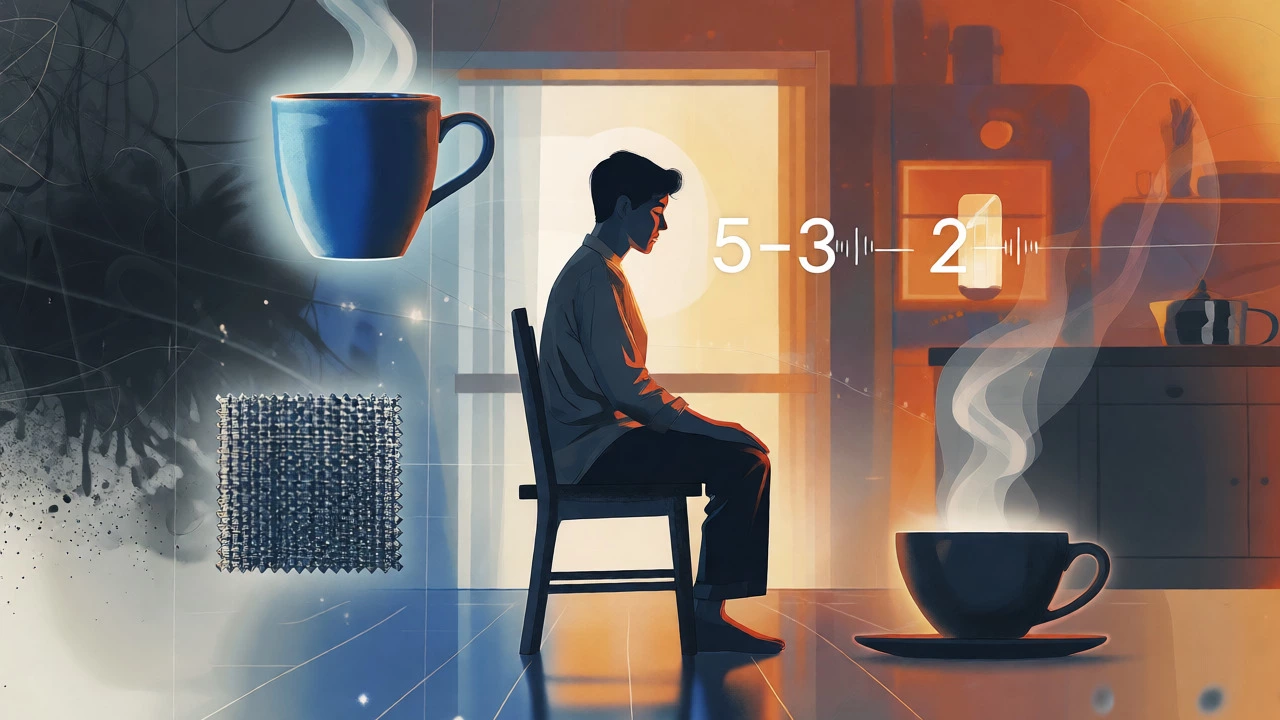
Try the 5-4-3-2-1 technique. It sounds simple, almost too simple, but it works by forcing your brain to switch from internal panic to external observation. Look around and name:
- Five things you can see (the blue mug, the crack in the wall).
- Four things you can touch (the fabric of your chair, your own hands).
- Three things you can hear (traffic outside, the hum of the fridge).
- Two things you can smell (coffee, fresh air).
- One thing you can taste (toothpaste, water).
This interrupts the feedback loop of anxiety. Once you’ve grounded yourself, check your basic needs. Have you eaten? Are you hydrated? Have you slept poorly for days? Sometimes, a glass of water and a banana do more for a panic attack than deep philosophical reflection. Treat your body like it’s sick, because in this moment, it is.
Burnout vs. Breakdown: Knowing the Difference
It’s crucial to distinguish between chronic burnout and an acute breakdown. They are related, but they require different responses. Burnout is a slow leak; a breakdown is a burst pipe.
| Feature | Burnout | Mental Breakdown |
|---|---|---|
| Onset | Gradual, over months or years | Sudden or acute escalation |
| Primary Feeling | Cynicism, detachment, fatigue | Overwhelm, paralysis, intense distress |
| Functionality | Can still work, but poorly | Often unable to function normally |
| Solution Focus | Lifestyle changes, boundaries | Immediate rest, professional support |
If you’ve been feeling cynical and tired for six months, you’re dealing with burnout. If you woke up today and couldn’t get out of bed because the weight of existence felt unbearable, you’re likely in a breakdown phase. Recognizing this helps you choose the right tool: lifestyle tweaks for burnout, and crisis management for a breakdown.
Communicating Without Overexplaining
One of the hardest parts of a mental breakdown is telling people you need space. We tend to over-explain, fearing judgment. You don’t owe anyone a detailed psychological report. Keep it brief and factual.
For work, try saying: "I’m dealing with a personal health issue and need to take a day off to recover. I’ll update you tomorrow." For friends and family: "I’m overwhelmed right now and need some quiet time. I’m safe, but I can’t talk much today."
Setting this boundary protects your energy. Every minute spent explaining your feelings to others is a minute taken away from your recovery. In Ireland, where social connections are vital, it can feel rude to withdraw. But remember, you cannot pour from an empty cup. True friends will respect your need for silence.
Building a Safety Net: Who to Call?
You shouldn’t navigate this entirely alone. While solitude is healing, isolation can be dangerous if left unchecked. Identify one or two trusted people in your circle who know how to listen without trying to "fix" you immediately.
In Dublin, resources are available if you need more than a friend. Services like Jigsaw provide early intervention services for young adults, while the Samaritans offer 24/7 listening lines for anyone in distress. Calling them isn’t admitting defeat; it’s using a resource designed for exactly this moment.
If your symptoms include thoughts of self-harm or suicide, seek emergency care immediately. Go to the Emergency Department or call 999. There is no shame in needing hospital-level support for mental health, just as there would be none for a broken leg.

The Recovery Phase: Small Wins Only
Once the acute crisis passes, you enter the recovery phase. This is where most people make mistakes by trying to return to full capacity too quickly. Think of recovery like physical rehab after surgery. You wouldn’t run a marathon the day after knee surgery.
Adopt the "one thing" rule. Each day, commit to completing just one small task. Make the bed. Shower. Walk to the end of the street. Celebrate these micro-wins. Dopamine, the reward chemical, releases when we complete tasks, even tiny ones. By stacking small successes, you rebuild confidence in your ability to cope.
Avoid big decisions during this period. Don’t quit your job, end a relationship, or move house unless absolutely necessary. Decision fatigue is high, and your cognitive bandwidth is low. Wait until your baseline stabilizes before making life-altering choices.
Preventing the Next Crash
After you’ve stabilized, look at the root causes. Was it workplace toxicity? Lack of sleep? Unresolved grief? A mental breakdown is often a signal that your current lifestyle is unsustainable. Use this experience as data.
Consider speaking with a therapist or counselor. Cognitive Behavioral Therapy (CBT) is particularly effective for identifying negative thought patterns that contribute to overwhelm. Many Irish insurers cover therapy sessions, so check your policy. Even bi-weekly sessions can provide a structured space to process emotions before they boil over again.
Finally, integrate rest into your schedule proactively. Don’t wait for a breakdown to force you to stop. Schedule downtime like you schedule meetings. Protect it fiercely. Rest is not a reward for finishing work; it’s a prerequisite for doing it well.
Is a mental breakdown the same as depression?
Not exactly. Depression is a clinical mood disorder characterized by persistent sadness and loss of interest. A mental breakdown is an acute episode of extreme stress where functioning stops. However, a breakdown can be a symptom of untreated depression, anxiety, or other conditions. They often overlap, but the key difference is the acute nature of the breakdown versus the chronic nature of depression.
How long does a mental breakdown last?
The duration varies significantly based on individual circumstances and support systems. An acute episode might last a few days to a week, while the recovery period can take weeks or months. With proper rest, therapy, and lifestyle adjustments, most people return to their baseline within a few months. Ignoring the signs can prolong the recovery.
Should I go to work if I am having a mental breakdown?
Generally, no. If you are unable to concentrate, perform basic tasks, or are emotionally unstable, going to work may worsen the situation. Taking short-term sick leave allows you to stabilize. Communicate clearly with your employer about your need for rest without necessarily disclosing every detail of your mental health status.
Can exercise help during a mental breakdown?
Gentle movement can help, but intense exercise might add stress. During the acute phase, prioritize rest. As you recover, light activities like walking or yoga can boost mood-regulating neurotransmitters. Avoid high-intensity workouts until your energy levels and stress tolerance improve.
What should I avoid eating or drinking?
Limit caffeine and alcohol. Both can exacerbate anxiety and disrupt sleep, which is critical for recovery. Alcohol might seem calming initially but often leads to rebound anxiety and poor sleep quality. Stick to hydration and balanced meals to keep your blood sugar stable, which supports emotional regulation.