
When someone has chronic pain-whether it’s from arthritis, back injuries, nerve damage, or something else-their main question isn’t usually about the cause. It’s: what do most doctors prescribe for pain? The answer isn’t simple. It’s not just one pill, and it’s not what you see on TV ads. Doctors don’t hand out painkillers like candy anymore. The landscape has changed, and for good reason.
It’s Not Just Opioids Anymore
A decade ago, opioids like oxycodone and hydrocodone were the go-to for chronic pain. But the opioid crisis changed everything. In Ireland, prescription opioid use dropped by 42% between 2017 and 2024, according to the Health Service Executive. Doctors now avoid them unless absolutely necessary, and even then, only for short-term use. The risk of addiction, overdose, and long-term side effects just isn’t worth it for most chronic conditions.
Instead, most doctors start with a mix of non-opioid medications, physical therapy, and lifestyle changes. The goal isn’t to erase pain completely-it’s to make it manageable so you can move, sleep, and live again.
The Most Common First-Line Prescriptions
Here’s what you’re most likely to get if you walk into a GP or pain clinic with chronic pain:
- Paracetamol (acetaminophen) - Often the first step. It’s cheap, widely available, and safe for most people when taken at recommended doses. But it doesn’t work for everyone, especially nerve pain.
- NSAIDs like ibuprofen or naproxen - These reduce inflammation and are effective for joint or muscle pain. Long-term use can cause stomach ulcers or kidney issues, so doctors monitor this closely.
- Antidepressants like amitriptyline or duloxetine - Yes, you read that right. These aren’t just for depression. They help calm overactive pain signals in the nervous system. Duloxetine is FDA-approved for diabetic nerve pain and fibromyalgia.
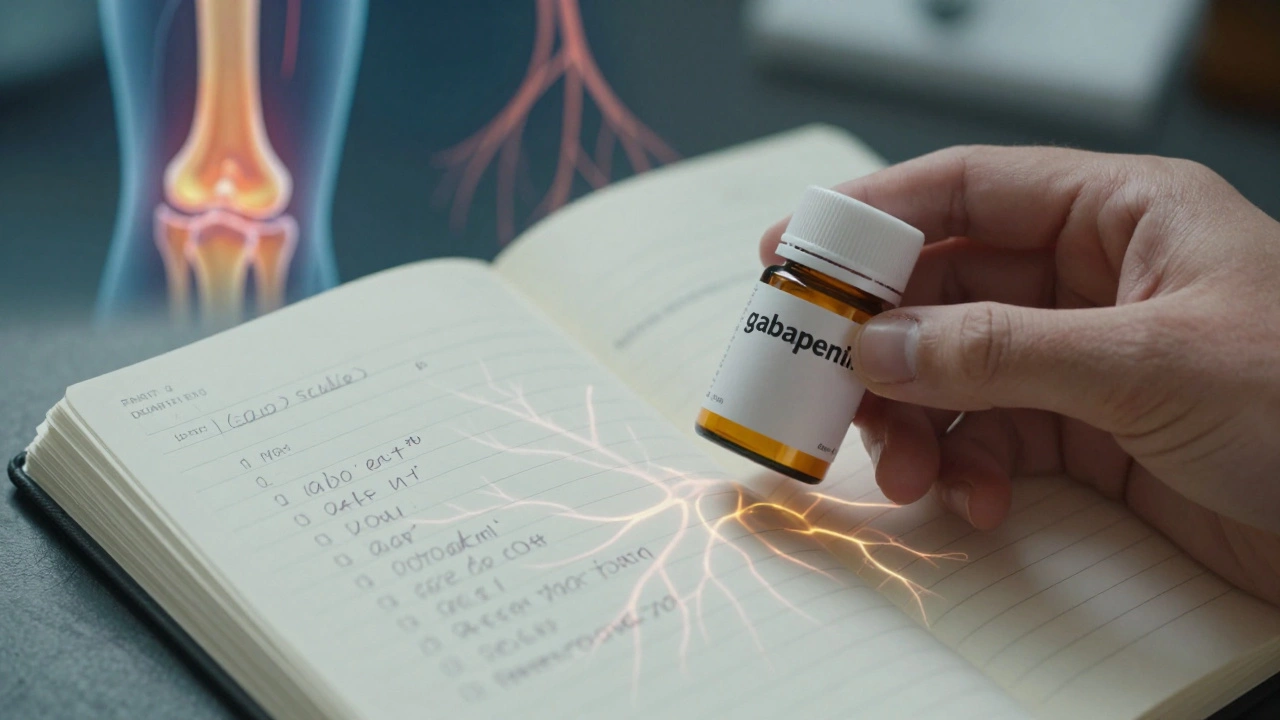
- Anticonvulsants like gabapentin or pregabalin - Originally for seizures, these drugs are now frontline for nerve pain. They’re especially common for sciatica, shingles, or neuropathy. Side effects include dizziness and weight gain, so dosing is slow and careful.
These four categories cover about 80% of first prescriptions for chronic pain in Ireland and the UK. Opioids? They’re now reserved for cancer-related pain or after major surgery-not for lower back pain or osteoarthritis.
Why These Drugs Work (Even When They Don’t Seem Like It)
Chronic pain isn’t just ‘injury that won’t heal.’ It’s a malfunction in the nervous system. The brain keeps sounding the alarm even when there’s no real damage. That’s why drugs that target nerves, mood, or inflammation often work better than strong painkillers.
For example, gabapentin doesn’t numb the pain like morphine. Instead, it reduces the abnormal firing of nerve cells that send pain signals. Amitriptyline helps by increasing serotonin and norepinephrine-chemicals that naturally dampen pain messages. These aren’t quick fixes. It can take weeks to feel the difference.

What Doctors Avoid
There are several drugs you won’t see prescribed anymore for long-term pain:
- Codeine - Often combined with paracetamol, but it’s weak and has high addiction potential. Most GPs now avoid it entirely.
- Tramadol - A weaker opioid with serotonin-boosting effects. Still used sometimes, but only for short bursts, and never for patients with a history of substance use.
- Corticosteroid injections - These can help flare-ups (like a bad sciatica episode), but repeated use damages tissue. Most doctors limit them to 2-3 per year.
Even over-the-counter pain patches and creams (like capsaicin or menthol) are now considered part of a smart treatment plan-not just ‘band-aid solutions.’
The Real Game-Changer: Multimodal Therapy
Doctors know that no single pill works for everyone. The most effective pain management combines three things:
- Medication - The right drug, at the right dose.
- Physical rehab - Strengthening muscles, improving posture, and learning movement patterns that reduce strain. A physiotherapist is often more important than a pharmacist.
- Mind-body tools - Cognitive behavioral therapy (CBT), mindfulness, and pacing techniques help retrain how the brain responds to pain. Studies show CBT can reduce pain intensity by 30-50% in chronic conditions.
Some clinics in Dublin now offer ‘pain management programs’ that include all three. Patients who stick with these programs report better sleep, less anxiety, and fewer hospital visits.
What About Cannabis or CBD?
You’ve probably heard about medical cannabis for pain. In Ireland, it’s legal but tightly controlled. Only specialists can prescribe it, and only after other treatments have failed. It’s used for severe nerve pain, MS-related spasticity, or cancer pain-not as a first option.
CBD oils sold online? They’re not regulated. A 2023 study in the British Journal of Pain found that 60% of over-the-counter CBD products in Europe didn’t contain the amount of CBD listed on the label. Some had traces of THC. That’s risky if you’re on other meds or have a mental health condition.
Doctors won’t recommend CBD unless you’re in a monitored clinical trial. It’s not a magic bullet.
When Is an Opioid Still Used?
There are exceptions. If you have advanced cancer, end-of-life care, or severe trauma recovery, opioids still have a place. But even then, doctors use them differently:
- Short-term only (usually under 14 days)
- Lowest effective dose
- Combined with non-opioid drugs to reduce the total amount needed
- Regular check-ins to monitor for dependence
Prescriptions are tracked in a national database. If a patient fills an opioid prescription from two different doctors, the system flags it. That’s how seriously this is taken now.
What You Can Do Right Now
If you’re living with chronic pain and feel stuck, here’s what actually helps:
- Keep a pain diary. Note what hurts, when, how bad (1-10 scale), and what made it better or worse. This tells your doctor more than any scan.
- Ask for a referral to physiotherapy. Even if your GP says ‘just rest,’ movement is often the cure.
- Try a free CBT app like ‘Headspace’ or ‘Pain Reprocessing Therapy’ exercises. They’re backed by research.
- Don’t be afraid to ask: ‘What’s the next step if this doesn’t work?’ Doctors appreciate patients who are informed and proactive.
Chronic pain is complex. There’s no one-size-fits-all solution. But there are better, safer, and more effective ways than just popping pills. The goal isn’t to eliminate pain overnight. It’s to rebuild your life around it-so pain doesn’t control you anymore.
What’s the most common painkiller doctors prescribe today?
The most common first-line medications are paracetamol, NSAIDs like ibuprofen, gabapentin for nerve pain, and duloxetine for chronic conditions like fibromyalgia. Opioids are rarely prescribed for long-term non-cancer pain.
Can I get prescribed tramadol for chronic back pain?
Tramadol is rarely prescribed for chronic back pain in Ireland anymore. It’s considered a weak opioid with addiction risk, and guidelines now recommend non-opioid alternatives first. If it’s used, it’s only short-term and under strict supervision.
Are antidepressants really used for pain?
Yes. Drugs like amitriptyline and duloxetine work on brain chemicals that regulate pain signals. They’re especially effective for nerve pain, fibromyalgia, and chronic headaches. You don’t need to be depressed to benefit from them.
Why don’t doctors prescribe stronger painkillers?
Stronger painkillers like oxycodone carry high risks: addiction, tolerance, overdose, and side effects like constipation and drowsiness. For chronic non-cancer pain, the risks outweigh the benefits. Evidence shows non-opioid treatments work better long-term.
Is CBD oil a good alternative to prescription pain meds?
Over-the-counter CBD oil isn’t regulated and often doesn’t contain what’s on the label. Medical cannabis is legal in Ireland but only for specific conditions and under specialist care. It’s not a substitute for proven treatments like physiotherapy or CBT.
What’s Next If This Doesn’t Work?
If you’ve tried the usual medications and still struggle, don’t give up. There are other paths:
- Spinal cord stimulators - Implantable devices that send mild electrical pulses to block pain signals. Used for failed back surgery or severe neuropathy.
- Radiofrequency ablation - A minimally invasive procedure that heats nerves to stop pain signals. Good for arthritis in the spine or facet joints.
- Specialist pain clinics - These offer multidisciplinary care: doctors, physiotherapists, psychologists, and pain nurses all working together.
Many of these treatments are available through the HSE if your GP refers you. You don’t need to pay privately to access them.
Chronic pain is not a life sentence. But it does require a smarter approach than just asking for stronger pills. The best doctors don’t just write prescriptions-they help you build a plan. And that plan is always more than a bottle of pills.