
Cosmetic Surgery Risk Estimator
Select a procedure and answer questions about your health to estimate your relative risk of needing a revision or experiencing complications.
Estimated Personal Risk Score
Analysis:
Please select a procedure to see your estimated risk profile.
You see them on Instagram: flawless noses, perky breasts, and skin so smooth it looks airbrushed. But behind those filtered images lies a messy reality. If you are considering going under the knife, you need to know what goes wrong. And when things go wrong, they often go wrong in the same few places.
So, what is the most failed surgery? There isn't one single answer because "failure" means different things to different people. For some, it is a medical emergency. For others, it is just looking like a caricature of yourself. However, data from the UK’s NHS and private clinics points to a clear pattern. Rhinoplasty (nose jobs) and breast augmentation top the list for revision rates and patient dissatisfaction. Why? Because these surgeries involve complex anatomy and high aesthetic expectations. Let’s break down why these specific procedures trip up even experienced surgeons, and what you can do about it.
The Nose Job Trap: Why Rhinoplasty Tops the List
If there is a king of "botched" surgeries, it is the nose job. Studies suggest that between 10% and 15% of primary rhinoplasties require a secondary procedure. That is a massive number. The nose is a tiny, intricate structure made of bone, cartilage, and thin skin. One millimeter off, and your face looks unbalanced.
Rhinoplasty is a surgical procedure that changes the shape or size of the nose. It sounds simple, but it is arguably the hardest facial plastic surgery to master. Surgeons have to rebuild the structural support of the nose while ensuring it still breathes properly. When it fails, patients often report a "pinched" look, a twisted tip, or breathing difficulties.
In the UK, the General Medical Council (GMC) has flagged rhinoplasty as having higher complaint rates than many other cosmetic procedures. Why? Partly because social media filters create unrealistic standards. People bring photos of celebrities with surgically altered noses to their consultations, expecting identical results. But your skin thickness and bone structure are unique. You cannot simply copy-paste a nose onto a different face.
- Common failures: Asymmetry, over-resection (making the nose too small), and saddle nose deformity.
- Recovery reality: Swelling takes up to a year to fully settle. Many patients panic at three months, thinking they are "failed," when they are just swollen.
- Revision difficulty: Fixing a bad nose is harder than doing it right the first time. Scar tissue makes the second surgery more unpredictable.
Breast Augmentation: The Implant Problem
Next up is breast augmentation. This is one of the most popular cosmetic surgeries globally, including here in Ireland and the UK. But popularity doesn’t equal perfection. The main issue here isn’t always the surgeon’s skill; it’s the body’s reaction to foreign objects.
Breast implants are not lifetime devices. They wear out. Ruptures happen. Capsular contracture-where scar tissue tightens around the implant, making the breast hard and painful-is a frequent complication. Some estimates suggest up to 20% of women will need another surgery within 8-10 years due to complications or desire for change.
Another major trend causing "failures" is the shift away from large implants. Ten years ago, bigger was better. Today, many patients regret large implants that sag prematurely or look unnatural. These aren’t technical errors by the surgeon; they are result of changing tastes and poor initial counseling. If your surgeon didn’t discuss long-term aging effects, that’s a red flag.
| Procedure | Most Common Failure Mode | Revision Rate Estimate | Primary Cause |
|---|---|---|---|
| Rhinoplasty | Aesthetic asymmetry / Breathing issues | 10-15% | Complex anatomy & Unrealistic expectations |
| Breast Augmentation | Capsular Contracture / Rupture | ~20% (long term) | Body rejection & Implant lifespan |
| Facelift | Wind-swept look / Nerve damage | 5-10% | Over-tightening & Poor technique |
| Liposuction | Contour irregularities / Lumps | ~5% | Skin elasticity & Uneven removal |
The Facelift: Pulling Too Hard
Facelifts are notorious for the "wind-swept" look. This happens when surgeons pull the skin too tightly instead of repositioning the underlying muscle layers (the SMAS layer). The result? A stretched appearance where ears look pulled downward and the expression looks frozen.
This is a classic case of a technical failure. Modern facelift techniques focus on deep-plane lifting, which moves the tissues back to where they were in your youth without stretching the skin. Yet, cheaper clinics often cut corners. They do a quick skin-only lift because it is faster and easier. The patient pays less upfront but ends up needing a correction later.
Nerve injury is another risk. While temporary numbness is normal, permanent weakness in the mouth corner (marginal mandibular nerve injury) occurs in roughly 1-2% of cases. It might seem minor, but smiling unevenly affects confidence daily. Choosing a specialist who understands facial nerve anatomy is critical here.
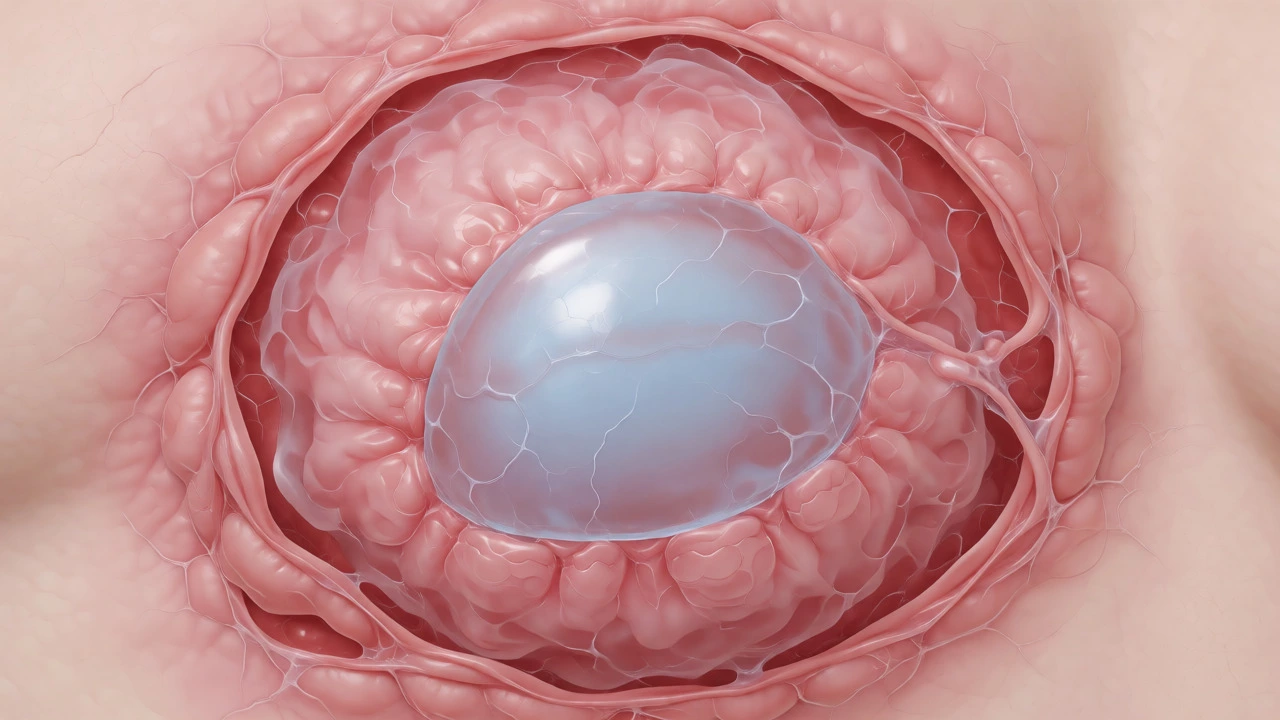
Liposuction: When Smooth Isn't Smooth
Liposuction seems straightforward: suck out fat. But if the surgeon removes fat unevenly, you get lumps, dents, and wavy contours. This is especially common in areas like the abdomen and thighs where skin elasticity varies.
Older liposuction methods relied heavily on manual suction, which led to more trauma and unevenness. Newer technologies like Vaser or SmartLipo use ultrasound or laser energy to liquefy fat before removal, allowing for smoother results. However, no technology fixes bad hands. If the surgeon doesn’t sculpt carefully during the procedure, the machine won’t save you.
Also, liposuction doesn’t fix loose skin. If you have significant weight loss history, removing fat might leave you with deflated, saggy skin. Patients often expect a flat stomach but end up with an empty, wrinkled appearance. This isn’t a surgical error per se, but a mismatch between expectation and physiological reality.
Why Do Surgeries Fail? It’s Not Just the Surgeon
We blame the doctor, but often the patient plays a role. Smoking, for instance, drastically increases complication rates. Nicotine constricts blood vessels, reducing oxygen flow to healing tissues. In cosmetic surgery, this can mean wound breakdown or skin necrosis (death). Smokers have significantly higher failure rates across almost all procedures.
Then there is the "Instagram Face" phenomenon. Social media distorts perception. Filters blur pores, shrink noses, and plump lips. Patients arrive wanting to look like their filtered selfie, not their actual self. Surgeons struggle to explain that real skin has texture and real noses have shadows. When the post-op photo shows reality, disappointment sets in. This psychological gap is a leading cause of perceived "failure."
Finally, cost matters. Cheap deals often hide expensive mistakes. A £3,000 nose job might sound great compared to a £7,000 quote, but ask yourself: Who is operating? Are they a consultant plastic surgeon registered with the GMC or the Irish Medical Council? Or is it a nurse practitioner with limited surgical training? Experience correlates strongly with lower revision rates.

How to Avoid Becoming a Statistic
You don’t want to be part of the revision statistics. Here is how to protect yourself:
- Check credentials rigorously. In the UK, look for membership in BAAPS (British Association of Aesthetic Plastic Surgeons) or BAPRAS. In Ireland, check the Specialist Register. Anyone can call themselves a "cosmetic surgeon," but only specialists have rigorous training.
- Demand realistic photos. Ask to see before-and-after photos of patients with similar anatomy to yours. Ignore stock images. Real results show scars, swelling, and imperfections.
- Discuss "what if." Ask your surgeon: "What happens if I don’t like the result? What is your revision policy?" Good surgeons stand by their work. Bad ones disappear after payment.
- Stop smoking weeks before. Ideally, quit 4-6 weeks prior. Your wallet and your face will thank you.
- Get a second opinion. If a surgeon promises perfection or pressures you to book immediately, walk away. Get a consultation elsewhere. Compare advice.
Related Concepts and Connected Topics
Understanding failure helps you appreciate success. Other related entities include Blepharoplasty (eyelid surgery), which has lower failure rates but can lead to dry eyes if too much skin is removed. Then there is Abdominoplasty (tummy tuck), where scarring is the main complaint. Unlike hidden scars in facelifts, tummy tuck scars are visible. Managing expectations about scar maturity-which takes 12-18 months-is key to satisfaction.
These procedures exist within a broader ecosystem of Aesthetic Medicine. Non-surgical options like fillers and Botox have their own failure modes, such as vascular occlusion (blockage of blood supply) which can cause skin death. Knowing the risks of both surgical and non-surgical paths gives you a complete picture.
Is rhinoplasty really the most failed surgery?
Yes, statistically, rhinoplasty has one of the highest revision rates among cosmetic surgeries, estimated between 10% and 15%. This is due to the complexity of nasal anatomy and high aesthetic demands. However, "failure" is subjective; many revisions are for minor aesthetic tweaks rather than functional disasters.
Why do breast implants fail?
Breast implants are not permanent. They can rupture, leak, or cause capsular contracture (hardening of scar tissue). Additionally, personal preferences change over time, leading to requests for removal or resizing. Long-term studies show a significant percentage of women undergo revision surgery within 10-15 years.
Can smoking cause cosmetic surgery to fail?
Absolutely. Smoking reduces blood flow to healing tissues, increasing the risk of wound separation, infection, and skin necrosis. Many reputable surgeons refuse to operate on active smokers or require cessation for at least 4-6 weeks before and after surgery.
How do I choose a safe cosmetic surgeon in the UK or Ireland?
Look for surgeons registered with the General Medical Council (UK) or the Medical Council (Ireland) as specialist plastic surgeons. Check memberships in professional bodies like BAAPS or BAPRAS. Always verify their experience with your specific procedure and review genuine patient testimonials.
What is the difference between a cosmetic surgeon and a plastic surgeon?
In the UK and Ireland, "plastic surgeon" usually refers to a doctor with full specialist training in reconstructive and aesthetic surgery. "Cosmetic surgeon" is a looser title that may include doctors with shorter courses or nurses. Plastic surgeons generally have more extensive training in handling complex anatomical structures, which can reduce complication rates.