Ovulation Tracking: How to Spot Your Fertile Window and Boost Chances of Pregnancy
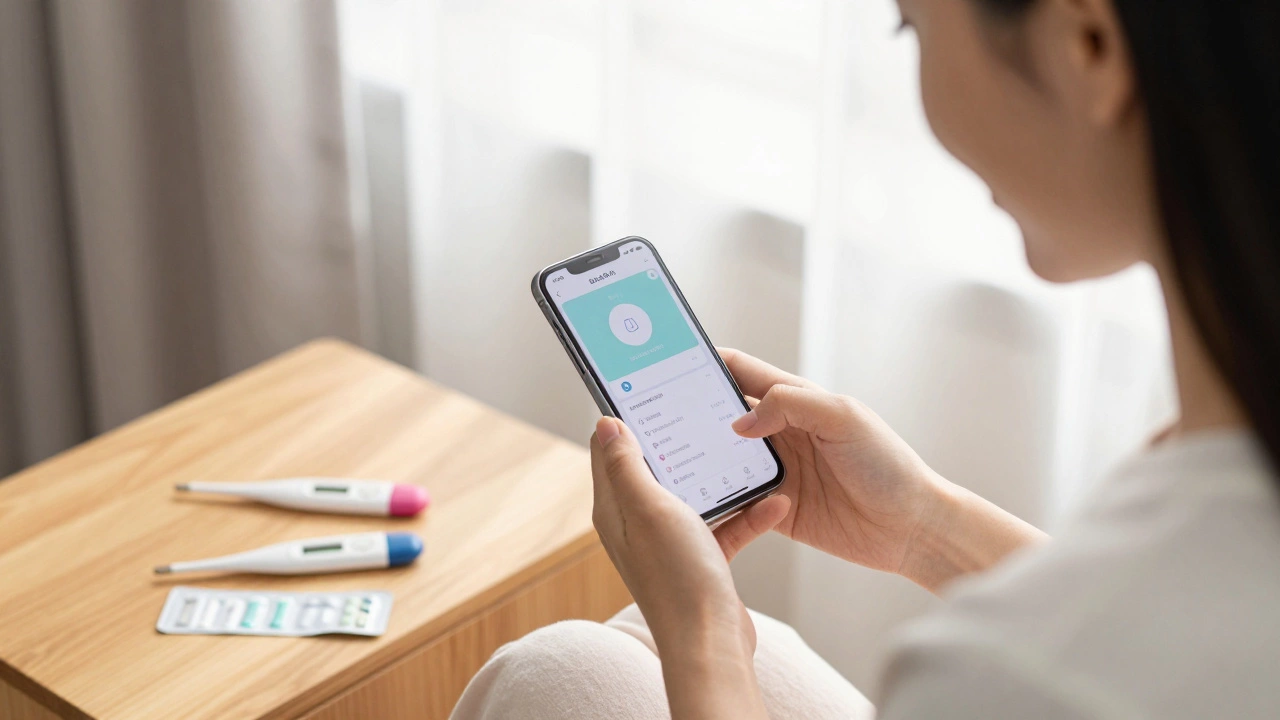
When you're trying to get pregnant, ovulation tracking, the process of identifying when your body releases an egg each month. Also known as fertility monitoring, it’s not just for people using apps—it’s a simple, low-cost way to understand your cycle and time intercourse for the best shot at conception. Most women ovulate about 14 days before their next period, but that’s just an average. Your body gives you real-time clues—changes in cervical mucus, a small rise in temperature, even slight cramps—that tell you exactly when you’re most fertile.
That’s where basal body temperature, your body’s resting temperature measured first thing in the morning comes in. Tracking it daily shows a tiny but consistent spike after ovulation, confirming it happened. Then there’s cervical mucus, the fluid your cervix produces that changes texture through your cycle. Around ovulation, it becomes clear, stretchy, and slippery—like raw egg white. That’s your body’s natural signal: fertile window open. Many people also use ovulation predictor kits, at-home tests that detect the surge in luteinizing hormone (LH) that triggers ovulation. These are accurate, affordable, and widely available at pharmacies.
Why does this matter? Because eggs only live for about 12–24 hours after release, but sperm can hang around for up to five days. That means your fertile window isn’t just one day—it’s about six. If you wait until you feel symptoms, you might be too late. Tracking helps you act early, not react. It’s not about stress or perfection. It’s about noticing patterns. You don’t need to test every day. You don’t need fancy gear. Just pay attention. A few weeks of tracking gives you a clearer picture than months of guessing.
Some people think ovulation tracking is only for those trying to conceive. But it’s also useful if you’re trying to avoid pregnancy, or if you’re noticing irregular cycles, painful periods, or unexplained infertility. Knowing when you ovulate helps you talk to your doctor with real data—not just "I think it’s late." It turns confusion into clarity.
Below, you’ll find real, practical guides that break down exactly how to track ovulation without overcomplicating it. Whether you’re using an app, a thermometer, or just paying attention to your body, these posts give you the no-fluff steps that actually work.
How to Boost Fertility Naturally to Get Pregnant